Penalty for Fishing Without a License in South Carolina
It’s a scenario we’ve all probably considered, especially when that fishing itch hits hard and fast: Can I just sneak out for a quick cast without bothering with a license? Or maybe you simply forgot to renew. The temptation to drop a line in the water without the proper paperwork in South Carolina can be strong, but let me tell you, the potential consequences are far more trouble than any fleeting moment of angling bliss is worth. This guide is here to walk you through exactly what can happen if you're caught fishing without a license in the Palmetto State, so you can avoid a costly mistake.
The Unseen Costs: Why a License Matters More Than You Think
When you decide to forgo a fishing license, you might think you're saving a few bucks. But the reality is, you're rolling the dice with a much larger sum of money and a significant amount of hassle. The South Carolina Department of Natural Resources (SCDNR) takes its regulations seriously, and for good reason—these licenses fund critical conservation efforts that keep our waters healthy and our fish populations thriving. Without proper management and funding, our beloved fishing spots wouldn't be nearly as productive.
The Immediate Sting: Fines and Legal Repercussions
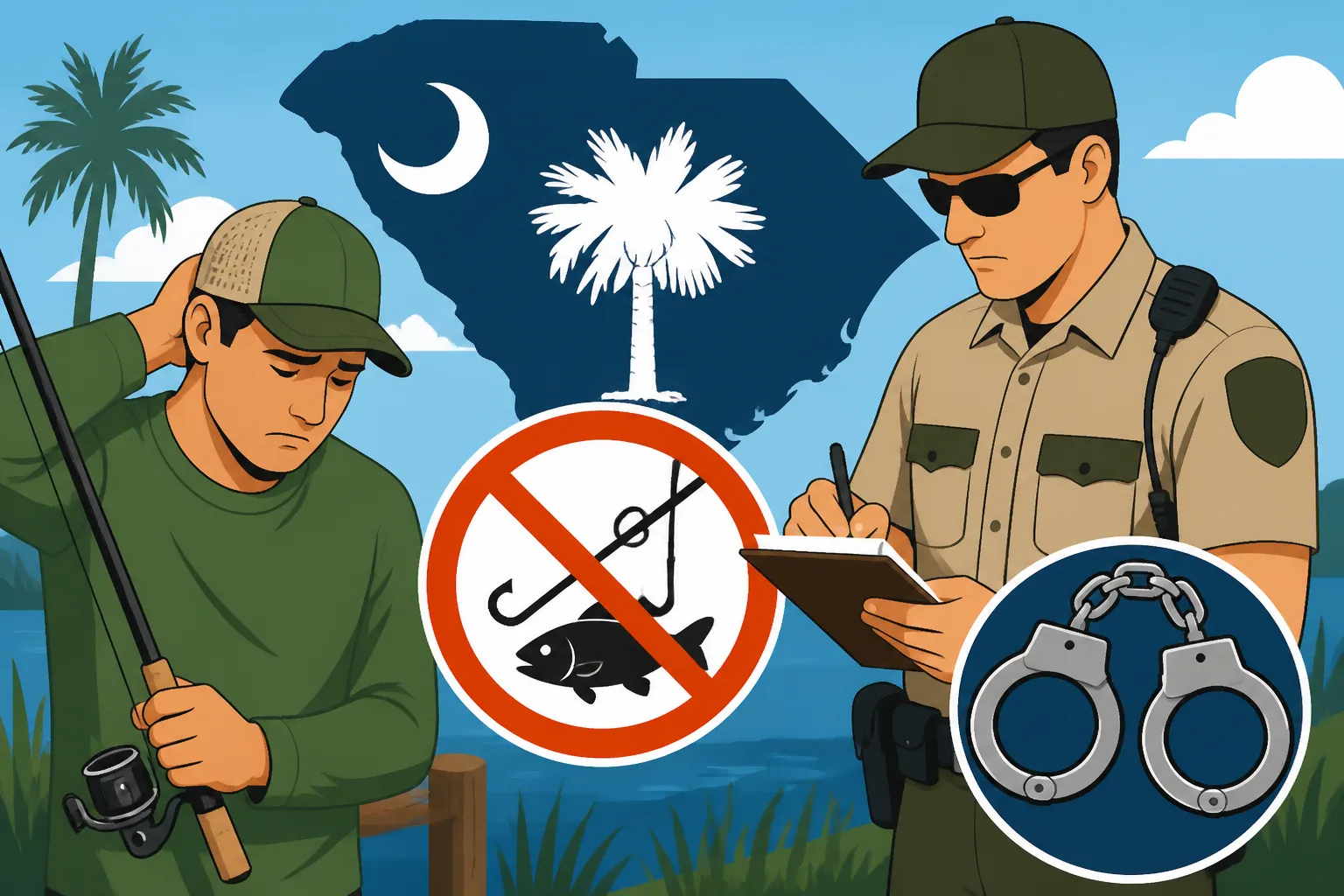
Let's talk brass tacks. Getting caught without a valid South Carolina fishing license isn't a slap on the wrist; it's a legitimate legal offense. The fines can vary depending on a few factors, such as whether it’s your first offense, if you’re a resident or non-resident, and if you have other violations. Generally, a first-time offense for fishing without a license in South Carolina can result in a fine ranging from around $100 to $500, not including court costs and surcharges.
Imagine you're enjoying a peaceful afternoon on Lake Murray, reeling in a nice largemouth bass, when an SCDNR officer approaches. If you can't produce a valid license, that serene moment quickly turns into a rather expensive interaction. You'll be issued a ticket, which is essentially a summons to pay a fine or appear in court. These fines are significantly higher than the cost of an annual freshwater or saltwater license, making the "saving money" argument completely fall apart. For instance, a resident annual freshwater fishing license is a mere fraction of what a potential fine could be.
What's more, the fines tend to escalate for repeat offenders. If you've been caught once before, the courts and the SCDNR will likely take a much dimmer view of a second or third offense. This isn't just about a one-time penalty; it's about respecting the laws that protect our natural resources. Trying to skirt the rules really isn't worth the financial gamble. For a full breakdown of the rules, check out our guide on the South Carolina Fishing License Guide.
Beyond the Ticket: Other Consequences
A fine is just one piece of the puzzle. Being caught fishing without a license can lead to several other headaches and costly repercussions. One of the most common additional penalties is the confiscation of your fishing gear. That's right—your rod, reel, tackle box, and even your boat (in severe cases or repeat offenses) could be seized by the SCDNR officer. This isn't just an inconvenience; it's a significant financial loss on top of the fine. Imagine having to replace your favorite fishing setup because you decided to skip a $10 or $15 license.
Beyond your gear, you might also face a mandatory court appearance. This means taking time off work, traveling to the courthouse, and potentially having to explain your actions to a judge. It's a time-consuming and often stressful process that could easily be avoided by simply having a valid license. Furthermore, a conviction for fishing without a license can appear on your record, potentially affecting future applications for other licenses or permits.
In some cases, especially for non-residents, repeated violations could even impact your ability to obtain a fishing license in South Carolina or other states in the future. State agencies often share information about conservation violations. So, what seems like a minor oversight can have a ripple effect that extends far beyond that single fishing trip. It’s always best to be prepared, and ensuring you have your license is a crucial part of that. Knowing all the Fishing License Requirements in South Carolina can prevent these issues.
How Enforcement Works: Are You Really Going to Get Caught?
It’s tempting to think you’re just one person in a vast state, and the chances of getting caught are slim. But the reality is, SCDNR officers, often referred to as game wardens or conservation officers, are highly trained and dedicated professionals. They are out on the water and patrolling access points constantly, specifically looking for violations to protect South Carolina's precious natural resources.
Who's Checking and Where: Enforcement Agencies and Common Patrol Areas
The primary agency responsible for enforcing fishing regulations in South Carolina is the SCDNR. Their officers are highly visible on major waterways, popular lakes like Lake Hartwell and the Santee Cooper lakes, and along the coast from Murrells Inlet to Hilton Head Island. They patrol by boat, truck, and sometimes even on foot or ATV, covering a wide range of areas.
You’ll encounter SCDNR officers at public boat ramps, fishing piers, state parks with fishing access, and even remote stretches of rivers and creeks. They often conduct routine checks, especially during peak fishing seasons or on popular fishing days like weekends and holidays. They're not just looking for license violations; they're also checking for compliance with bag limits, size limits, and proper gear usage, ensuring everyone is following the rules that keep our fisheries healthy. If you're wondering how to get your license, our guide on How to Get a Fishing License in South Carolina covers all the bases.
Officers also keep an eye on social media and local fishing forums. While they might not be actively "hunting" individual anglers, if there's an increased report of suspicious activity or a particular area known for violations, they will certainly increase their presence there. It’s not just about getting caught; it’s about upholding the integrity of the sport and ensuring sustainable fishing for everyone.
Spot Checks and Random Encounters: How Wardens Verify Licenses
SCDNR officers have the authority to ask you to produce your fishing license at any time while you are actively fishing or in possession of fishing gear near a waterway. These are typically polite but firm requests. They’ll usually identify themselves, explain why they're stopping you, and then ask for your license and photo identification.
In today's digital age, many states, including South Carolina, offer digital license options. So, if you’ve purchased your license online through the Go Outdoors South Carolina portal, having it readily available on your smartphone is usually sufficient. However, it's always a good idea to have a screenshot saved or even a printed copy as a backup, especially in areas with spotty cell service. Imagine being on the Edisto River, far from any signal, and unable to pull up your digital license—that could lead to a misunderstanding, even if you technically have one.
Officers are trained to look for tell-tale signs of unlicensed activity. This might include someone hastily packing up their gear when a patrol boat approaches, or individuals fishing in areas known for illegal activity. They're also very good at recognizing common excuses. It's much simpler and less stressful to just have your valid license ready and easily accessible. Taking a few minutes to ensure you're squared away with a license means you can focus on the fish, not the potential fines. You can explore Where to Buy a Fishing License in South Carolina for convenient purchase options.
Avoiding the Headache: Ensuring You're Always Legal
Nobody wants to deal with fines, court appearances, or confiscated gear. The good news is that avoiding these penalties is incredibly simple: just get a license! South Carolina has made the process quite accessible, and the cost is truly minimal when you consider the alternative.
Simple Steps to Get Your License
Getting a South Carolina fishing license is straightforward, whether you're a seasoned angler or just starting out. You have a few convenient options:
- Online: The easiest and most popular method is to purchase your license directly through the SCDNR's online portal, Go Outdoors South Carolina. This website is user-friendly and allows you to select the type of license you need (freshwater, saltwater, or combination, and resident or non-resident), complete the purchase with a credit card, and then immediately print your license or save a digital copy to your phone. This is a fantastic option for last-minute trips!
- In-Person: If you prefer a physical transaction or have questions, you can visit a local authorized license vendor. These include many sporting goods stores, bait and tackle shops, and even some local hardware stores across the state. Places like Dick's Sporting Goods, Walmart, and independent tackle shops often serve as license agents. Just walk in, ask for a fishing license, and they’ll guide you through the process.
- By Mail: While less common today, you can also download a paper application from the SCDNR website and mail it in with your payment. Just be sure to allow ample time for processing and delivery before your planned fishing trip.
Regardless of how you purchase it, make sure you choose the correct license for the type of water you'll be fishing (freshwater, saltwater, or both) and your residency status. You can find detailed information on Fishing License Costs in South Carolina to help you budget.
Understanding Exemptions and Special Cases
While a fishing license is generally required for anyone aged 16 and older in South Carolina, there are some specific exemptions and special cases that are important to understand. Don't assume you're exempt without verifying!
- Children: Kids under 16 years old do not need a fishing license in South Carolina. This is fantastic news for families and makes it easy to introduce youngsters to the joys of fishing. However, remember that any adult accompanying them does need a license if they are fishing themselves. Check out Fishing License Rules for Kids in South Carolina for more specifics.
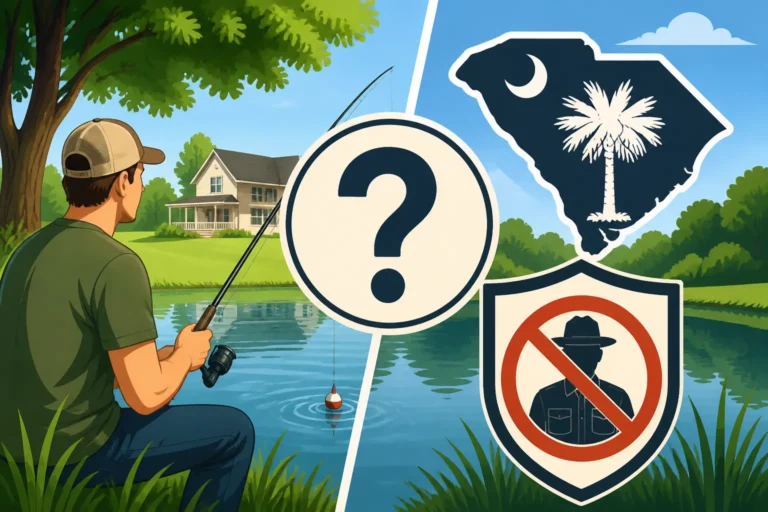
- Private Ponds: You generally do not need a state fishing license to fish in a private pond that is entirely enclosed on private land and has no connection to public waterways. However, if the pond is stocked by a state program, or if it has any natural flow in or out to public waters, a license would likely be required. Always err on the side of caution and check local regulations or with the landowner.
- Free Fishing Days: South Carolina typically offers a few "Free Fishing Days" each year, often around National Fishing and Boating Week (usually in June) and sometimes on other holidays. On these designated days, residents and non-residents alike can fish in public waters without needing a state fishing license. These are great opportunities to try fishing or introduce a friend, but they are limited. Always confirm the exact dates for the current year. For example, you might look into South Carolina Free Freshwater Fishing Day July 4 2026.
- Pier Fishing: If you're fishing from a licensed public pier, you are usually covered under the pier's blanket license. However, if you step off the pier onto the beach or into a boat, you would then need your own individual license. Always check with the specific pier for their rules.
When in doubt, it’s always safest and simplest to just get a license. The small cost is a minimal price to pay for peace of mind and legal compliance.
Keeping Your License Accessible
Once you've purchased your license, the next crucial step is ensuring you have it with you and easily accessible whenever you're fishing. Many anglers make the mistake of leaving it at home or in their wallet in the car, which doesn't count if an officer asks for it on the water.
- Digital Copies: As mentioned, saving a digital copy (like a PDF or a screenshot) to your smartphone is a common and convenient practice. Just be sure your phone is charged and protected from water. You can even access it directly via the Go Outdoors South Carolina app on your phone.
- Physical Copies: A laminated physical copy in your tackle box, on your boat, or even in a waterproof pouch around your neck is a reliable option, especially if you anticipate being in areas with poor cell service. I always keep a few copies in different spots, just in case! You can pick up waterproof lanyards or small cases online from retailers like Amazon for just a few dollars, making it simple to keep your license safe and dry.
- Combo Licenses: If you enjoy both freshwater and saltwater fishing, consider purchasing a combination license. This often streamlines the process and ensures you're covered no matter where your angling adventures take you. These can often be more cost-effective than buying two separate licenses.
Being prepared isn't just about having the right bait or lure; it's also about having your legal ducks in a row. A quick check of your license validity before each trip, perhaps with a reminder set on your phone, can save you a lot of grief. Remember, the goal is to enjoy your time on the water, and being legal is a big part of that enjoyment.
Here's a quick overview of potential penalties:
| Violation Type | Typical Fine Range (Approx.) | Additional Consequences | Risk of Gear Confiscation | Impact on Future Licenses |
|---|---|---|---|---|
| First Offense (No License) | $100 – $500 | Court appearance, surcharges | Low to Moderate | Possible |
| Repeat Offense (No License) | $200 – $1000+ | Mandatory court appearance, increased surcharges | Moderate to High | Likely |
| Failure to Display Valid License | $50 – $200 | Requires proof of valid license later, possible court | Low | Minor |
| Fishing During Closed Season | $200 – $1000+ | Mandatory court, gear confiscation, loss of privileges | High | Significant |
| Over Bag Limit / Under Size Limit | $150 – $750+ (per fish) | Mandatory court, gear confiscation, loss of privileges | Moderate to High | Significant |
Note: Fines and penalties are subject to change by state law and judicial discretion. This table provides an approximate guide.
Disclaimer
The information provided in this guide is for general informational purposes only and does not constitute legal advice. Fishing regulations and associated penalties in South Carolina can change. Always consult the official South Carolina Department of Natural Resources (SCDNR) website or contact them directly for the most current and accurate information before engaging in any fishing activities.