What to Bring on a South Carolina Fishing Charter
Heading out on a South Carolina fishing charter is an incredibly exciting prospect, but the last thing you want is to arrive at the dock feeling unprepared. Many anglers, especially those new to charter fishing or visiting from out of state, often wonder what exactly they need to bring to make their trip comfortable and successful, beyond just showing up with enthusiasm. This guide will walk you through all the essentials, from crucial documents to comfort items and specialized gear, ensuring you're fully equipped for a fantastic day on the water, whether you're targeting redfish in the lowcountry marshes or mahi-mahi offshore.
The Essentials: What Every Angler Needs on Board
When you're stepping onto a charter boat, there are some non-negotiable items that every angler, regardless of their experience level or the type of trip, should have. These aren't just about comfort; they're about safety, legality, and ensuring you have the best possible experience under the South Carolina sun. Forgetting these basics can quickly turn an anticipated adventure into a frustrating ordeal, so let's make sure you've got them covered.
Personal Identification and Licenses
First and foremost, you absolutely need to confirm your fishing license situation. While many reputable charter operations, especially those found through platforms like FishingBooker, will cover the boat's license, you, as an individual angler, might still need your own, depending on the specifics of the trip and whether you're fishing from a head boat or a private charter. It's always best practice to carry a valid form of identification, like a driver's license or state ID, especially if you're a resident looking to confirm your status for specific license types, or a nonresident needing to prove your out-of-state residency. Don't assume anything; a quick call to your captain or a check of the South Carolina Department of Natural Resources (SCDNR) website before your trip can save you a potential headache – or even a fine.
Even if the charter supplies a blanket license that covers all passengers, having your personal ID readily available is simply smart practice. It’s not just about fishing regulations; it’s a standard safety measure for any boat trip. Imagine if an unforeseen circumstance required identification; you wouldn't want to be caught without it. Confirming the specific South Carolina Fishing License Requirements in South Carolina for your type of trip is crucial. You might find that for certain charters, particularly larger head boats that cater to many individuals, the vessel itself holds a license that covers everyone aboard, but for smaller, private trips, individual licenses are often still required.
Sun Protection is Non-Negotiable
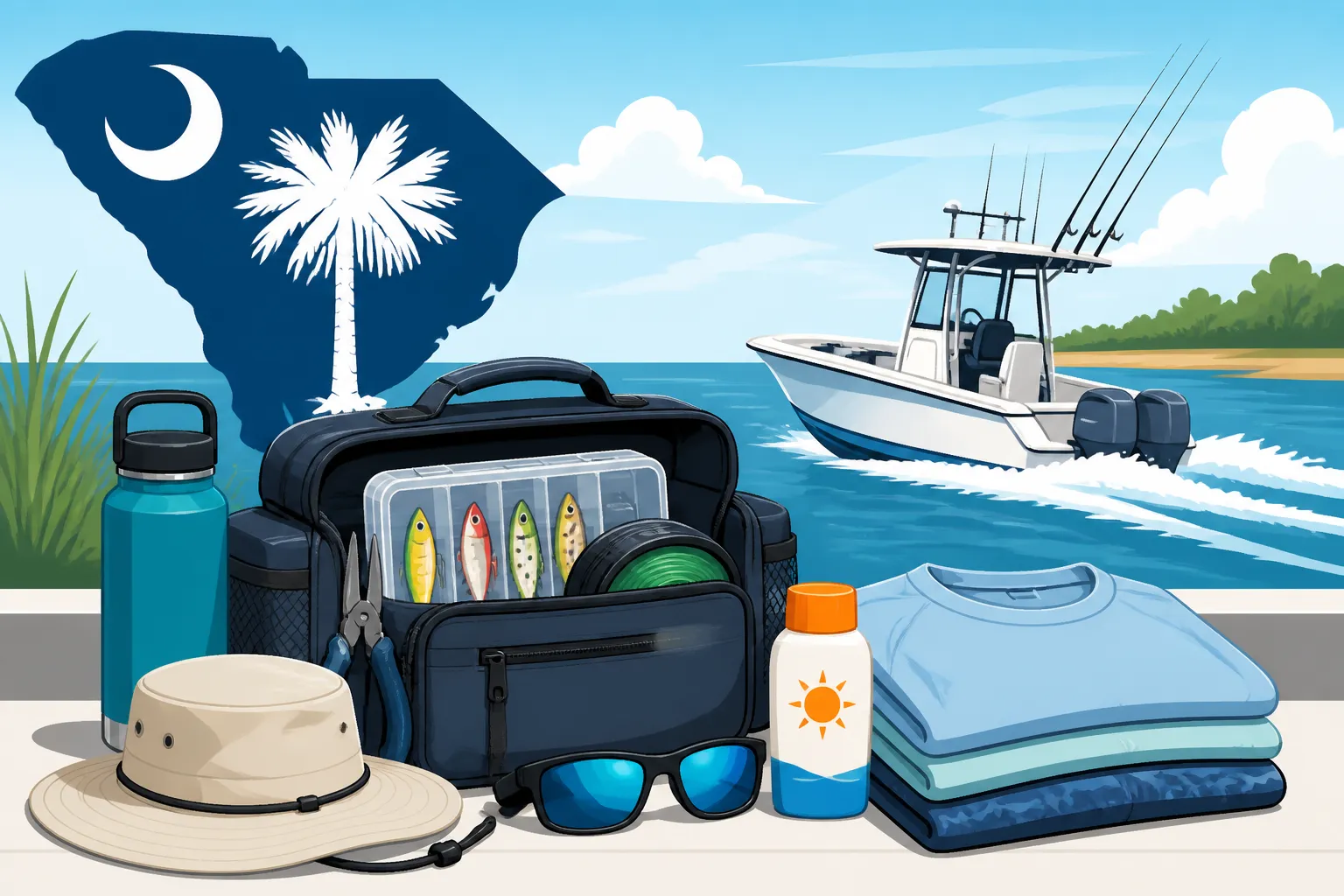
The South Carolina sun can be relentless, even on cloudy days, and especially when you're out on the open water with its reflective surface. Sun protection isn't just about preventing a sunburn; it's about safeguarding your skin from harmful UV rays that can lead to long-term damage. You'll thank yourself later for being diligent here. Start with a high-SPF, broad-spectrum sunscreen that's waterproof and reapply it frequently, particularly after getting wet or sweating. Don't forget often-missed spots like the tops of your ears, neck, and the backs of your hands.
Beyond sunscreen, consider physical barriers. A wide-brimmed hat or a baseball cap with a neck flap provides excellent coverage for your face, ears, and neck. Polarized sunglasses are also a must-have, not only for protecting your eyes from glare and UV rays but also for improving your visibility into the water, helping you spot fish or structure. Finally, think about long-sleeved, lightweight, quick-drying shirts and pants with UV protection. Many outdoor brands make fantastic fishing apparel specifically designed to keep you cool while offering maximum sun defense, allowing you to enjoy your South Carolina Fishing Seasons Guide trip for hours without feeling the burn.
Appropriate Clothing for All Conditions
South Carolina weather can be a bit fickle, often changing throughout the day. What starts as a cool morning can quickly turn into a scorching afternoon, and a calm sea can just as suddenly kick up a chop. Layering is your best friend when it comes to charter fishing attire. Start with a moisture-wicking base layer to manage sweat, then add a light long-sleeved shirt for sun protection, and finish with a waterproof or water-resistant jacket. Even if the forecast is clear, a sudden squall can roll in, or you might get splashed by a wave, making a good jacket invaluable.
Comfortable, non-slip footwear is also critical. Think boat shoes, deck boots, or sturdy sandals with good grip. Avoid flip-flops or open-toed shoes that offer no protection and can be slippery on a wet deck. You’ll be standing for long periods, potentially moving around the boat, and dealing with fish and bait, so protection and stability are key. Having an extra set of clothes packed in a dry bag is also a smart move, just in case you get thoroughly soaked or need something fresh for the ride home.
Comfort and Convenience: Making Your Trip Enjoyable
Once the basics of legality and protection are covered, it's time to think about the items that will elevate your charter fishing experience from merely functional to truly enjoyable. These are the creature comforts that ensure you stay hydrated, energized, and ready to reel in that next big catch without distraction.
Food, Drinks, and Snacks
A day on the water, especially a full-day charter, can be surprisingly energy-intensive. The sun, the salt air, and the sheer excitement of fishing can leave you feeling drained. Most charters don't provide meals, so packing your own food and drinks is essential. Think easy-to-eat, non-messy snacks like granola bars, fruit, sandwiches, and wraps. Avoid anything that requires extensive preparation or refrigeration, unless you're bringing your own small cooler.
Hydration is paramount. Bring plenty of water – more than you think you’ll need. Sports drinks with electrolytes can also be beneficial, especially on hot days. While some charters might have a cooler with ice, it's always safer to bring your own small personal cooler with your preferred beverages and snacks. Just be sure to check with your captain about any restrictions on coolers or glass bottles before you board. A well-fed and well-hydrated angler is a happy angler, and a happy angler is usually a more patient and successful angler!
Keeping Your Catch Fresh
If you're planning on keeping your catch – and let's face it, that's often half the fun of a fishing trip – you need a plan for keeping it fresh. While many charters will have a fish box with ice, relying solely on that might not be ideal, especially on a busy boat or a long trip. Bringing your own medium-sized cooler filled with ice is an excellent idea. This allows you to transfer your fish as soon as they're cleaned and filleted (if the charter offers that service, which many do) or at the end of the trip, ensuring they stay in prime condition until you get home.
Remember, fish can spoil quickly, especially in the South Carolina heat. A dedicated cooler for your catch prevents cross-contamination with your food and drinks and ensures your fillets make it to your kitchen in the best possible state. Discussing Cleaning and Filleting Your Catch After a South Carolina Charter with your captain beforehand will help you understand their procedures and what you might need to prepare for. If you're targeting species with specific regulations like the South Carolina Redfish Slot Limit Rules, ensure you understand the rules for what you can keep.
Personal First Aid and Medications
While charter boats typically have basic first aid kits on board, it’s always wise to carry a small, personal kit with your specific needs. This includes any prescription medications you take, clearly labeled and in sufficient quantity for the duration of the trip. Motion sickness medication is a big one for many anglers. If you're prone to seasickness, take preventive medication well before you board, as it's often too late once symptoms set in. Ginger candies or anti-nausea wristbands can also offer some relief.
Beyond prescriptions, a small personal kit can include band-aids for minor cuts (fish hooks can be surprisingly sharp!), antiseptic wipes, pain relievers, and any allergy medications. A little preparation here goes a long way in managing minor issues discreetly and effectively, allowing you to continue enjoying your day without having to bother the crew for every small scrape or sniffle. Think of it as empowering yourself to handle the little things, so the big things – like reeling in a trophy fish – can remain the focus.
Capturing Memories: Gear Beyond the Rod
Fishing trips are about more than just the fish you catch; they're about the experience, the camaraderie, and the beautiful South Carolina scenery. Many anglers love to capture these moments, and while your phone might suffice for a quick snapshot, some dedicated gear can truly make those memories last.
Cameras and Waterproofing
If you're serious about documenting your adventure, consider bringing a waterproof camera or at least a robust waterproof case for your smartphone. Boats are wet environments; between splashing waves, fish slime, and ice, electronics are always at risk. A GoPro or a similar action camera is fantastic for capturing dynamic footage of the fight and the catch. Don't forget extra batteries or a portable power bank, as a long day of filming can quickly drain your device.
Think about the shots you want to get. A wide-angle lens can capture the expanse of the ocean or marsh, while a good zoom can bring distant dolphins or seabirds into view. Remember to secure your camera with a lanyard or wrist strap to prevent accidental drops overboard. And always be mindful of other anglers and the crew; never interfere with fishing operations to get your shot. Capturing a majestic redfish or a hard-fighting mahi-mahi on film adds an extra layer of satisfaction to the trip.
Dry Bags and Storage
With all these essentials and extras, you'll need a way to keep them organized and, most importantly, dry. A good quality dry bag or a waterproof backpack is an invaluable piece of gear for any charter trip. This is where you can stash your spare clothes, electronics, medications, and any other items you absolutely can't afford to get wet. Even if the boat has some storage, it's not always guaranteed to be completely dry, especially in rougher conditions.
Having separate smaller dry bags for specific items, like your wallet and keys, can further enhance organization and protection. A waterproof phone pouch that allows you to still use your touch screen is also a handy item for quick access to your phone without exposing it to the elements. Proper storage ensures your gear is protected, easily accessible when needed, and doesn't become a tripping hazard on deck.
Special Considerations: Depending on Your Charter Type
Not all South Carolina fishing charters are created equal. An inshore trip targeting redfish in the creeks is very different from an offshore excursion chasing tuna. Your packing list should reflect the specific nature of your adventure.
Inshore vs. Offshore Charters
The type of charter you book significantly influences what you should bring. For South Carolina Inshore Fishing Charters Explained, where you're typically in calmer, shallower waters, your needs might be slightly less intense. You'll still need sun protection and water, but perhaps you won't need as much motion sickness medication, and heavier foul-weather gear might be overkill unless rain is truly in the forecast. Inshore trips often involve more casting, so comfortable shoes for standing and maybe even a small tackle box with your favorite lures (if the captain allows and you prefer your own) could be useful.
Offshore trips, as detailed in South Carolina Offshore Fishing Charters Explained, are a different beast. You're heading further out, into potentially choppier seas, and the weather can change more dramatically. Motion sickness prevention becomes even more critical. Warmer, heavier layers are often a good idea, even on sunny days, as temperatures can drop significantly offshore. You might also want a more substantial waterproof bag to protect your belongings from sea spray. The fish you're targeting are often larger and more powerful, so be prepared for a physically demanding fight.
Family-Friendly Trips with Kids
If you're bringing children along, your packing list needs a few extra considerations to ensure everyone has a great time. For Family-Friendly Fishing Charters in South Carolina, extra snacks and drinks are a must, as kids tend to get hungry and thirsty quickly. Small, engaging activities like a coloring book or a small game can be a lifesaver if the fishing slows down, or if a child needs a break from the action.
Crucially, bring kid-specific sun protection: extra sunscreen, wide-brimmed hats that stay on, and long-sleeved UPF clothing designed for children. Consider bringing a small pillow or blanket if they might need a nap. Most importantly, manage expectations. Not every cast will yield a fish, and sometimes the weather doesn't cooperate. Focus on the experience of being on the water together, and celebrate every little success, even if it's just seeing a dolphin or feeling the boat sway. Patience and a positive attitude from the adults go a long way in making it a memorable day for the youngsters.
What the Charter Typically Provides
It’s always a good idea to confirm with your captain or booking agent (like when you're using FishingBooker to find a trip) what exactly is included in your charter. Most South Carolina fishing charters will provide all the necessary fishing gear: rods, reels, tackle, and bait. They'll also typically have a cooler with ice for your drinks (though bringing your own for your catch is still recommended), and all required safety equipment like life jackets. Many will also offer to clean and bag your fish at the end of the trip, or at least assist with it.
What's usually not included are your personal items: food, drinks, sunscreen, hats, sunglasses, and any special medications. While some charters might have a few spare items, don't count on it. It’s also rare for a charter to provide your individual fishing license; that's almost always on you. A detailed conversation or a check of the charter's FAQ before your trip will clarify What's Included in a South Carolina Charter Fishing Trip and help you avoid unnecessary duplication or frustrating omissions.
| Item Category | Typically Provided by Charter | Recommended for Angler to Bring |
|---|---|---|
| Fishing Gear | Rods, reels, tackle, bait | Your own "lucky" lures (optional) |
| Safety Equipment | Life jackets, first aid kit | Personal medications, specific first aid needs |
| Coolers/Ice | Fish box, ice for drinks | Personal cooler for catch, snacks/drinks |
| Sun Protection | (Rarely, maybe some sunscreen) | Sunscreen, hat, sunglasses, UV clothing |
| Food & Drink | (Rarely) | Snacks, meals, plenty of water/drinks |
| Identification | No | Driver's license/ID |
| Fishing License | Sometimes (for vessel) | Your individual license (confirm with captain) |
| Personal Comfort | No | Towel, change of clothes, dry bag |
| Cameras | No | Waterproof camera/case, extra batteries |
Before You Go: Pre-Trip Checks and Communication
A successful fishing trip begins long before you even leave your home. A few critical steps in the days leading up to your South Carolina fishing charter can ensure smooth sailing and prevent last-minute stress.
Confirming with Your Captain
It sounds simple, but it's often overlooked in the excitement: confirm your trip details with your captain a day or two before you're scheduled to depart. This isn't just about being polite; it's practical. Things like departure times, meeting locations, and even specific requests (like targeting a certain species if the trip allows) can be reconfirmed. This also gives you a chance to ask any last-minute questions, such as "Does the South Carolina Charter Fishing Licenses and Gear Included mean I don't need my own?" or "What's the latest on the fishing conditions?"
This communication helps solidify plans and accounts for any unforeseen changes, like a slight adjustment to the departure time due to weather or tides. A good captain appreciates an angler who is proactive and engaged, and it sets a positive tone for the trip. You can often find contact information through the booking platform, such as FishingBooker, or directly from their website.
Checking the Weather Forecast
While your captain will be keeping a close eye on the marine forecast, you should too. Check the weather forecast for your specific departure location (e.g., Charleston, Hilton Head, Murrells Inlet) for the exact time of your trip. Look beyond just temperature and precipitation; pay attention to wind speed and direction, as these significantly impact sea conditions. High winds can make for a choppy, uncomfortable ride, even if the sun is shining.
Knowing what to expect allows you to fine-tune your clothing choices, adding or removing layers as needed. If the forecast predicts rain, you'll know to prioritize your waterproof gear. If it's going to be unusually hot, you'll pack extra water. Being prepared for the elements means you can focus on fishing, not on being too hot, too cold, or too wet. This due diligence also gives you peace of mind, knowing you've considered all the variables.
Understanding Tipping Etiquette
Tipping your fishing guide is standard practice in the charter industry, and it's an important way to show appreciation for their hard work and expertise. Many anglers, especially those new to charter fishing, are unsure about how much to tip or when. Generally, a tip of 15-20% of the total charter cost is considered appropriate if you had a good experience. This isn't just for the fish you caught; it’s for the captain’s knowledge, their efforts in putting you on fish, their professionalism, and the overall enjoyment of your trip.
It's usually best to present the tip directly to the captain at the end of the trip, in cash if possible. This way, they can distribute it among the crew as they see fit. Remember, a captain and crew work hard before, during, and after your trip, from maintaining the boat to preparing bait, ensuring safety, and cleaning your catch. Understanding Tipping Your South Carolina Fishing Guide beforehand means you can budget appropriately and ensure you're ready to thank them for a memorable day on the water.
Disclaimer
This article is for general informational purposes only and does not constitute professional advice. Laws, prices and regulations vary by location and change over time. Consult a qualified professional for guidance on your specific situation.