First-Time Charter Fishing Tips for South Carolina Visitors
Embarking on your first fishing charter in South Carolina can feel a little daunting, especially when you're visiting and not sure where to start. The sheer number of options, from inshore creeks to offshore wrecks, can leave even seasoned anglers scratching their heads. This guide is designed specifically for first-time visitors, breaking down everything you need to know to book and enjoy an unforgettable fishing adventure along the beautiful South Carolina coast, making sure you feel confident and prepared for your day on the water.
Understanding the Basics: Inshore vs. Offshore and What's Right for You
One of the first big decisions you'll face when considering a fishing charter in South Carolina is whether to go inshore or offshore. This isn't just about how far you travel; it dictates the kind of fish you'll target, the type of boat you'll be on, and the overall experience you'll have. Many first-timers assume "offshore" is always better, but that's not necessarily true – it truly depends on what you're hoping for.
The Lowdown on Inshore Fishing Charters
Inshore fishing charters keep you close to the coast, often navigating the intricate network of tidal creeks, estuaries, and shallow bays that define much of South Carolina's stunning Lowcountry. Think of places like Murrells Inlet, the vast estuaries around Charleston, or the calm waters surrounding Hilton Head Island. These trips typically involve smaller, more agile boats that can get into tight spaces and navigate shallower water.
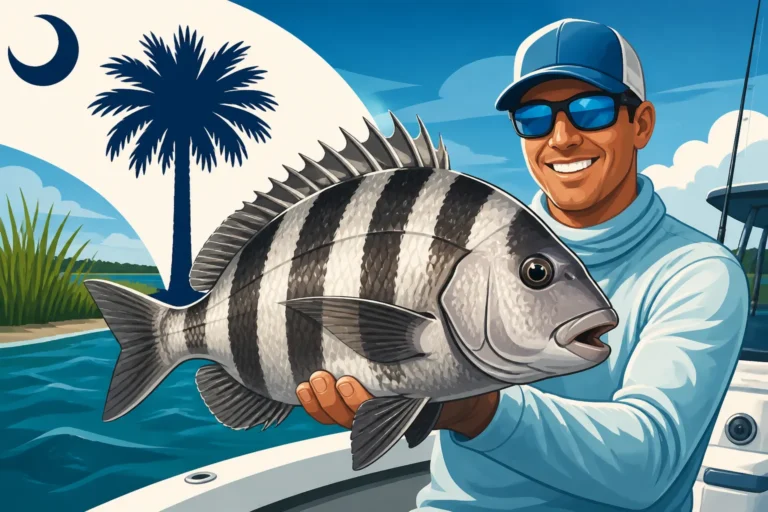
The beauty of inshore fishing is its accessibility and the variety of exciting species you can target without ever losing sight of land. You're often going after species like the feisty redfish, speckled seatrout, flounder, and even sheepshead, which are all fantastic fighting fish and delicious on the dinner table. Because the waters are generally calmer, inshore trips are fantastic for families with younger children or anyone prone to seasickness. Imagine a peaceful morning poling through a grass flat, casting to tailing redfish, or dropping a line near an oyster bed for a hungry trout. It's a much more relaxed vibe, but don't let that fool you – the action can be incredibly fast and furious! Many local guides specialize in these waters, knowing every nook and cranny where fish like to hide.
Exploring Offshore Adventures
If the idea of heading out into the vast blue ocean, far from the sight of land, truly excites you, then an offshore charter might be your calling. These trips involve larger, sturdier boats designed to handle open ocean conditions and typically venture anywhere from a few miles to many miles off the coast. The journey out to the fishing grounds can be a significant part of the experience itself, often taking an hour or more to reach prime spots like artificial reefs, natural ledges, or deepwater wrecks.
Offshore fishing opens up a whole different world of species, from various types of snapper and grouper that lurk near the bottom, to pelagic powerhouses like mahi-mahi, wahoo, and even tuna that cruise the open water. These fish often put up incredible fights, requiring heavier tackle and more stamina from the angler. Offshore trips are generally longer and can be more physically demanding due to the potential for choppier seas and the sheer size and strength of the fish you're battling. If you're an experienced angler looking for a challenge, or you've always dreamed of reeling in a big game fish, offshore might be your ultimate South Carolina adventure. Just be prepared for a longer day and the possibility of a little more motion on the water!
Weighing Your Options: What Suits Your Group?
Choosing between inshore and offshore really boils down to your group's preferences, experience level, and tolerance for adventure. Think about who's coming along. Are you bringing young kids or grandparents? Inshore might be a more comfortable and enjoyable option for them, offering steady action without the long travel times or rough seas. Many family-friendly charters specialize in these calmer waters, focusing on easy-to-catch species that keep everyone engaged.
If your group is full of thrill-seekers, seasoned anglers, or simply people who aren't bothered by a bit of ocean chop and want to target bigger, faster fish, then an offshore trip could be fantastic. Consider the time commitment as well; offshore trips often last a full day, while inshore options might include shorter half-day excursions, which can be perfect if you have other plans or a limited attention span. Also, think about your primary goal: do you want to fill the cooler with delicious table fare, experience a scenic ride through the marshes, or battle a trophy fish? Answering these questions honestly will guide you to the perfect South Carolina fishing charter for your first-time visit.
Deciding on Trip Length: Half-Day, Full-Day, or Something in Between?
Once you've got a handle on whether you're leaning towards inshore or offshore, the next big decision is how long you want to spend on the water. Charters come in various durations, most commonly half-day or full-day, but some offer even shorter or extended options. Each has its own benefits and drawbacks, and what's right for you largely depends on your group's stamina, budget, and fishing goals.
The Popular Half-Day Charter Experience
A half-day charter is typically the most popular choice for first-time visitors, families, or anyone new to charter fishing. These trips generally run for about 4 to 5 hours. They are perfect for getting a taste of South Carolina's excellent fishing without committing to an entire day on the water. For an inshore trip, a half-day often provides ample time to reach several productive spots, catch a variety of species like redfish and speckled trout, and get back to the dock before anyone gets too tired or restless.
The shorter duration means less exposure to the sun, less chance of seasickness (especially on calmer inshore waters), and a more budget-friendly price point. If you have young children, this is almost always the way to go. They can experience the thrill of catching fish, learn a bit about the local ecosystem, and still have energy for other vacation activities later in the day. It’s also a great way to "test the waters" if you're unsure how you'll handle a day at sea. You might find that four hours fly by, leaving you eager for a longer trip next time!
Maximizing Your Adventure with a Full-Day Trip
For those who are serious about their fishing, or simply want to maximize their chances of a truly memorable catch, a full-day charter (typically 8 hours or more) is often the preferred option. While a half-day gets you out there, a full-day trip allows the captain more time to travel further to prime fishing grounds, try a wider range of techniques, and target a greater variety of species. This is especially true for offshore excursions, where the travel time to deep-sea spots can eat up a significant portion of a half-day trip, leaving less actual fishing time.
Imagine having the luxury of moving between several different wrecks or reefs offshore, or spending ample time exploring multiple marsh creeks and oyster beds inshore. A full-day trip increases your chances of hitting the "hot bite" and landing that trophy fish you've been dreaming of. It offers a more immersive experience, allowing you to settle into the rhythm of the ocean and truly learn from your captain. While it's a bigger commitment in terms of time and cost, the potential rewards – both in terms of fish caught and the overall adventure – are often well worth it for dedicated anglers.
Balancing Time and Expectations
When choosing your trip length, it's crucial to balance your time and financial commitments with your expectations. Don't go into a half-day offshore trip expecting to haul in a boatload of tuna; while anything is possible, the shorter duration often means targeting species closer to shore or spending less time at each spot. Conversely, if you book a full-day trip with a group that includes easily bored teenagers or motion-sick individuals, you might find yourself cutting the trip short or dealing with unhappy campers.
It's always a good idea to discuss these considerations with the charter company or captain when booking. They can provide realistic expectations based on the time of year, current fishing conditions, and the species you're interested in. For instance, sometimes a 6-hour "extended half-day" or a ¾ day trip might be the perfect compromise, offering more fishing time than a standard half-day without the full-day commitment. Ultimately, choosing the right trip length is about ensuring everyone on board has a comfortable, enjoyable, and successful experience.
Finding and Booking Your South Carolina Fishing Charter
Now that you've got a clearer picture of the type and length of charter you want, it's time to actually find and book your trip! This can feel overwhelming with so many options, but with a strategic approach, you'll be on your way to an amazing South Carolina fishing adventure.
Navigating Online Resources and Platforms
In today's digital age, online platforms have made booking a fishing charter incredibly convenient. Websites specifically dedicated to connecting anglers with charter captains are an excellent starting point. These platforms allow you to search for charters by location (like Charleston, Hilton Head, or Myrtle Beach), filter by trip type (inshore, offshore, nearshore), target species, and even boat amenities. You can often see real-time availability and compare prices side-by-side, which is a huge benefit for first-time visitors trying to get a feel for the market.
One popular and reliable platform is FishingBooker. It’s a fantastic resource because it aggregates listings from numerous captains, allowing you to browse different boats, read detailed descriptions of their trips, and see photos of past catches. Crucially, you can also read authentic reviews from previous customers, which provides invaluable insight into a captain's communication, professionalism, and ability to put clients on fish. Using a platform like FishingBooker can streamline your search, helping you compare various South Carolina fishing charters quickly and efficiently before making your decision. Just be sure to filter by "South Carolina" and your desired city to narrow down the options.
Directly Contacting Local Captains and Guides
While online platforms are great for initial research, don't shy away from directly contacting local captains and guides once you've shortlisted a few. This can often lead to a more personalized experience and allow you to ask specific questions that might not be covered in an online listing. Many experienced captains, especially those who run smaller, specialized inshore trips, prefer direct communication, allowing them to tailor a trip precisely to your group's needs and current fishing conditions.
A direct phone call or email allows you to gauge the captain's personality, discuss your expectations in detail, and get their expert opinion on the best time to fish during your visit, what species are biting best, and any specific requests you might have. Sometimes, direct booking might even offer a slight price advantage as it bypasses platform fees, though this isn't always the case. Building this direct rapport can significantly enhance your overall experience, as you'll already feel a connection with your guide before you even step foot on the boat.
Essential Questions to Ask Before Booking
Before you commit to a charter, whether through an online platform or direct contact, having a list of essential questions ready will ensure there are no surprises. It’s important to clarify all the details upfront.
Here’s a handy table of questions to consider:
| Category | Key Questions to Ask | Why It Matters |
|---|---|---|
| Logistics | What's included (gear, bait, tackle, license)? | Ensures you know what to bring (or not bring) and understand the full cost. |
| What's your cancellation policy for weather or other issues? | Protects your investment if conditions change. | |
| How many people can join the trip? | Ensures your whole group can come and you understand any per-person costs. | |
| What time do we depart and return? | Helps with planning your day and other vacation activities. | |
| Fishing Experience | What species are we likely to target at this time of year? | Manages expectations and ensures you're going after fish you want to catch. |
| What are the current South Carolina Fishing Bag Limits Explained for those species? | Helps you understand what you can keep. Charters adhere to these limits. | |
| Do you offer fish cleaning services, and is there an extra fee? | Important if you plan to take your catch home for dinner. | |
| Safety & Comfort | What safety equipment do you have on board? | Good to know, though all reputable charters have required safety gear. |
| Is there a restroom on board (especially for longer trips)? | A crucial comfort factor, particularly for families or full-day adventures. |
Don't be shy about asking these questions. A good captain will appreciate your preparedness and be happy to provide all the information you need to feel comfortable and excited for your trip.
What to Expect and How to Prepare for Your First Trip
You’ve booked your South Carolina fishing charter – congratulations! Now comes the exciting part: getting ready for your adventure. A little preparation goes a long way in ensuring your first charter fishing trip is enjoyable, comfortable, and successful.
Packing Smart: Essentials for a Successful Day on the Water
Even though most reputable charters provide all the necessary fishing gear, bait, and tackle, there are still a few essential items you should bring to make your day on the water as pleasant as possible. Think comfort and protection!
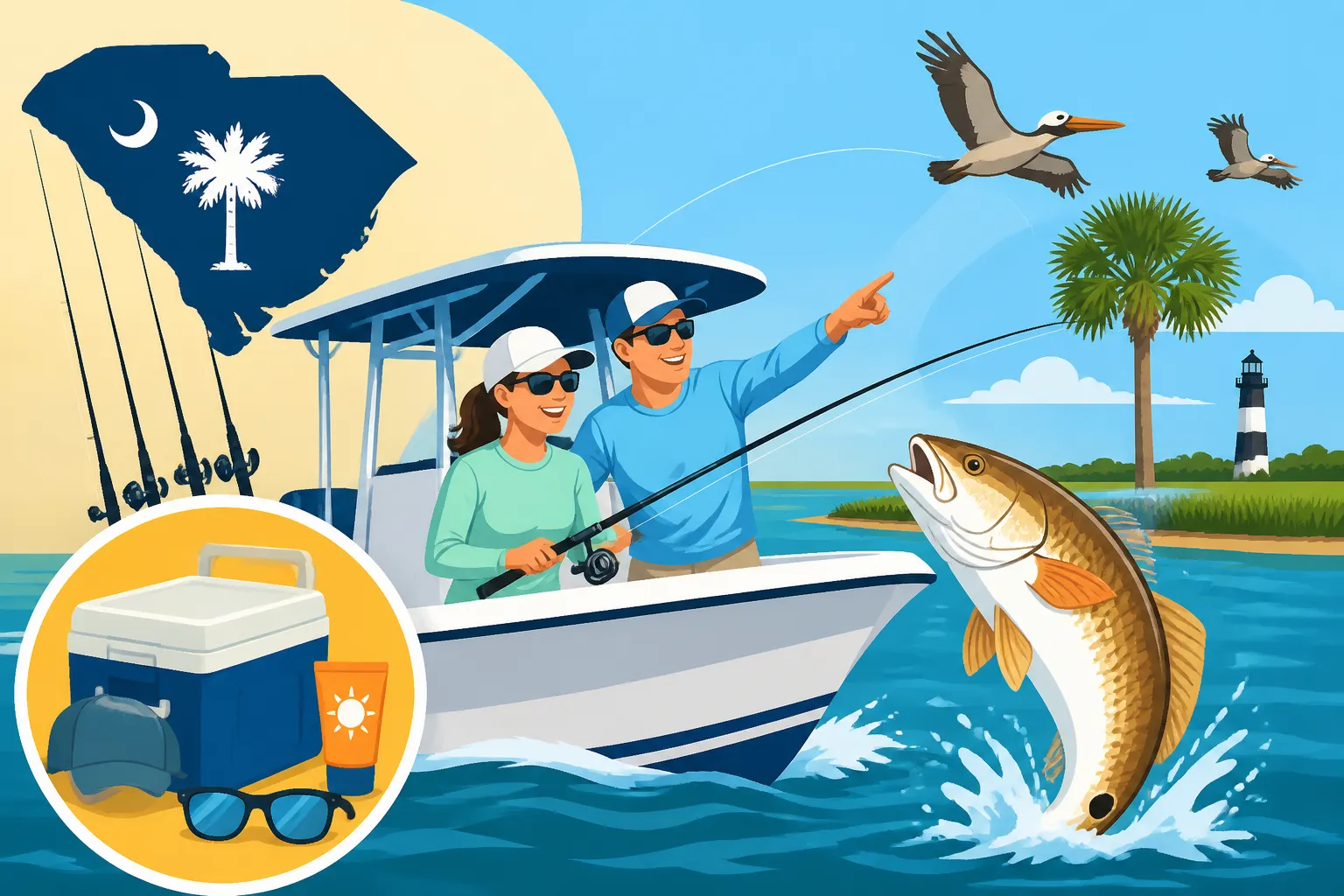
First and foremost, sun protection is absolutely critical in South Carolina, even on cloudy days. Pack a wide-brimmed hat, polarized sunglasses (they help cut glare on the water, allowing you to see fish better), and plenty of reef-safe sunscreen. Long-sleeved, lightweight shirts and pants can also offer excellent sun protection. You'll thank yourself later when you're not sporting a painful sunburn!
Hydration is key, so bring plenty of water and other non-alcoholic beverages. While some charters might offer drinks, it's always best to have your own supply. Snacks are also highly recommended, especially for longer trips or if you tend to get hungry quickly. Think easy-to-eat items like granola bars, fruit, or sandwiches. A small cooler with ice for your drinks and snacks is often a good idea, and many boats have extra space. Remember, you might also want a separate cooler to transport your cleaned fish home, so have that ready in your car.
Lastly, consider appropriate footwear – non-slip, closed-toe shoes are ideal for safety on a wet deck. If you're prone to motion sickness, take medication like Dramamine before you even get to the boat, as it works best when taken preventatively. It’s better to be safe than sorry, especially if you’re heading offshore. For a more detailed guide, check out What to Bring on a South Carolina Fishing Charter.
Understanding Licensing and Regulations
One common concern for first-time visitors is whether they need to purchase a South Carolina fishing license for a charter trip. The good news is that for most recreational charter fishing trips, the boat itself holds a blanket license that covers everyone on board. This means you typically do not need to purchase an individual fishing license when fishing with a licensed guide or charter captain.
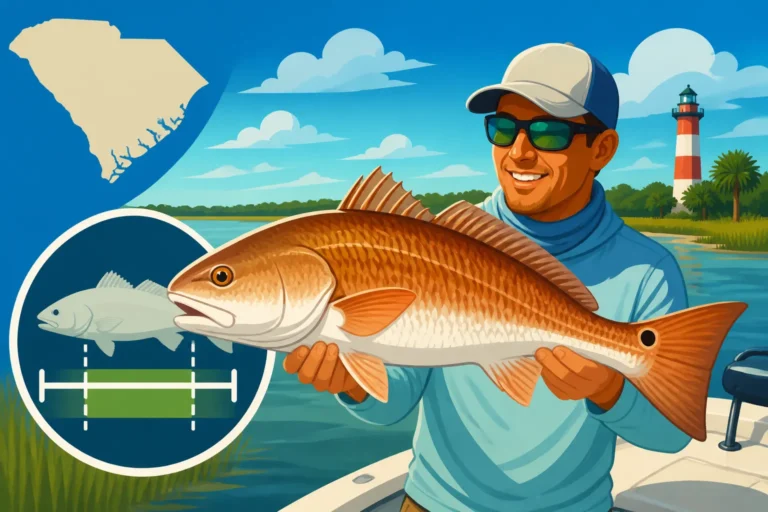
However, it is always, always a good practice to confirm this directly with your captain when you book. There can be exceptions or specific scenarios where an individual license might be required, especially if you're participating in certain tournaments or specific types of fishing. Your captain will be the definitive source of information regarding their vessel's licensing coverage. It's also important to be aware that your captain and crew will strictly adhere to all South Carolina Fishing Bag Limits Explained and size restrictions for every species caught, such as South Carolina Redfish Slot Limit Rules or South Carolina Spotted Seatrout Daily Bag Limit of 10 Fish. These rules are in place to protect fish populations and ensure sustainable fishing for everyone.
The Role of Your Captain and Crew
Your captain and any crew members are the heart and soul of your charter experience. They are highly experienced professionals whose primary goals are your safety, your enjoyment, and putting you on fish. They know the local waters like the back of their hand, constantly monitor conditions, and understand fish behavior.
Listen to their instructions carefully. They'll show you how to use the equipment, explain fishing techniques, and tell you what to do when you get a bite. Don't be afraid to ask questions! Most captains love sharing their knowledge and passion for fishing. They are there to help you, whether it's baiting your hook, untangling a line, or celebrating your catch.
Finally, a note on tipping: it's customary to tip your captain and crew, much like you would waitstaff in a restaurant. If you had a great experience and they worked hard for you, a gratuity of 15-20% of the total trip cost is a standard and much-appreciated gesture. This acknowledges their hard work, expertise, and dedication to making your trip a success. For more on this, you can look up Tipping Your South Carolina Fishing Guide.
On the Water: Making the Most of Your Charter Experience
The day has finally arrived! You're on the boat, lines are in the water, and the anticipation is building. To truly maximize your first South Carolina fishing charter, it helps to know how to engage with the experience and what to do when the fish start biting.
Active Participation and Communication
While the captain and crew are there to guide you, your active participation can significantly enhance your trip. Don't just sit back and wait for a fish to jump on your hook. Engage with the process! Ask your captain about the local area, the types of fish you're targeting, and the techniques they're using. "Why are we fishing here?" or "What does this lure mimic?" are great conversation starters that can lead to valuable insights.
When it comes to fishing itself, be ready to learn and adapt. Your captain might show you how to properly cast, set the hook, or reel in a fish. Pay attention to their instructions, as these small tips can make a big difference in your success. If you're struggling with a particular technique or need help, don't hesitate to speak up. The crew is there to assist, and they'd much rather help you than have you get frustrated or miss out on a catch. Open communication ensures everyone is on the same page and enjoying the day.
Handling Your Catch and Post-Trip Considerations
So, you've reeled in a fish – congratulations! This is often the most exciting moment for first-timers. Most charters are equipped to handle your catch, whether that means releasing it carefully (especially for protected species or those under size limits) or keeping it for dinner.
If you plan to keep fish, your captain or mate will usually take care of removing it from the hook, measuring it, and placing it in a cooler. Many charters also offer fish cleaning services at the end of the trip, often for a small additional fee. This is a huge convenience, as you'll leave with ready-to-cook fillets rather than a whole fish. Make sure to confirm if cleaning is included or extra when booking. It's important to remember that all catches are subject to the current South Carolina Fishing Bag Limits Explained and size restrictions for species like redfish and spotted seatrout. Your captain is an expert on these regulations, so trust their judgment on what can be kept. Once you're back at the dock, you'll transfer your cleaned fillets to your own cooler, ready for a delicious meal or to take home.
Dealing with Unexpected Weather or Conditions
The weather in South Carolina can sometimes be unpredictable, especially during certain seasons. While captains do their best to monitor forecasts, sudden changes can occur. It's important to understand that your captain's number one priority is your safety. If the weather forecast looks unsafe (e.g., strong winds, lightning, heavy seas), a reputable captain will make the call to cancel or reschedule the trip.
This can be disappointing, especially if you're on a short vacation, but it’s always for the best. Most charters have clear cancellation policies regarding weather, typically offering a full refund or the option to reschedule. Make sure you understand this policy when you book. While a little rain might not deter a trip, rough seas or dangerous thunderstorms absolutely will. Be flexible and trust your captain's judgment – they live and breathe these waters and know when it's safe to be out there and when it's not.
Local Hotspots and Popular Species for First-Timers
South Carolina offers an incredible array of fishing opportunities, and knowing some of the hotspots and what species are commonly targeted can help you choose the perfect charter for your first visit. From the calm marshes to the vast ocean, there's a perfect spot and fish for every angler.
Inshore Gems for Beginners
South Carolina's inshore waters are truly a paradise for first-time anglers and families. The Lowcountry's intricate network of tidal creeks, oyster beds, and grass flats provides excellent habitat for a variety of popular game fish.
One of the most iconic inshore species is the Redfish, known for its bronze color and distinctive tail spot. These hard-fighting fish are abundant in areas like Murrells Inlet Redfish Fishing Spots in South Carolina and the extensive marsh systems around Charleston and Hilton Head. Charters in these areas often specialize in targeting redfish, using live bait, cut bait, or artificial lures. You might also encounter the highly sought-after Spotted Seatrout, which can be found lurking in deeper holes and along grass edges. They're excellent table fare and offer a fun, consistent bite. Flounder are another popular target, often ambushing bait from the sandy or muddy bottom. Fishing for flounder typically involves drifting live bait or jigging artificials near structure.
Many guides operate out of cities like Charleston, Mount Pleasant, and Hilton Head, providing easy access to these productive inshore grounds. These trips are typically less strenuous and offer plenty of action, making them ideal for those new to saltwater fishing. Consider booking a Hilton Head Redfish Fishing Charter Trips if reds are high on your list, or a trip near the historic Charleston Harbor Sheepshead Fishing Spots to target these challenging, barnacle-eating fish.
Offshore Thrills for the Adventurous
For those ready to venture further from shore, South Carolina's offshore waters hold exciting opportunities for bigger game fish. The continental shelf drops off considerably, creating diverse habitats for a variety of pelagic and bottom-dwelling species.
During the warmer months, the open ocean becomes home to fast-moving migratory species. King Mackerel are a popular target, often caught trolling with live bait or spoons near bait schools. They are powerful fighters and fantastic to catch. Another favorite is Mahi-Mahi (also known as Dolphin fish), renowned for their vibrant colors and acrobatic fights. They tend to congregate around floating debris or weed lines. If you're looking for an unforgettable battle, booking Mahi-Mahi Charter Fishing Trips in South Carolina can be an incredible experience. Bottom fishing offshore can yield delicious Snapper and Grouper species, found around artificial reefs and natural ledges. These trips require heavier tackle and a bit more patience but can be incredibly rewarding when you hit a school of fish.
Offshore charters typically depart from major coastal towns like Myrtle Beach, Charleston, and Hilton Head, providing access to different depths and structures. These trips generally require a full day to reach the prime fishing grounds, giving you maximum time to target these impressive offshore species.
Seasonal Considerations for Best Results
The timing of your visit to South Carolina significantly influences what fish are biting and what kind of charter experience you'll have. Fishing is a year-round activity in the Palmetto State, but certain species are more active or available during specific seasons.
Spring and Fall are often considered prime fishing seasons in South Carolina. The cooler water temperatures in Spring bring in migratory species and invigorate resident fish, leading to excellent fishing for both inshore species like redfish and trout, and offshore species like king mackerel. Fall offers a similar bounty, often with larger fish aggressively feeding before winter. Summer is fantastic for offshore pelagics like mahi-mahi and wahoo, but inshore fishing can be best during early mornings or late evenings due to the heat. Winter, while quieter, can still offer surprisingly good fishing for redfish and speckled trout in deeper holes inshore, and certain bottom fish offshore.
Consulting a South Carolina Fishing Seasons Guide or Best Time of Year to Fish in South Carolina can give you a general overview. However, always discuss the current seasonal patterns and target species with your chosen captain when booking. They will have the most up-to-date information on what's biting and where, ensuring your first-time charter fishing trip is as productive and enjoyable as possible.
Disclaimer
This article is for general informational purposes only and does not constitute professional advice. Laws, prices and regulations vary by location and change over time. Consult a qualified professional for guidance on your specific situation.