Summer Tarpon Charters on the South Carolina Coast
The allure of a summer tarpon charter along the South Carolina coast is undeniable, but for many anglers, the thought of chasing the elusive "Silver King" can feel a bit overwhelming. From finding the right captain to understanding the best techniques and regulations for this powerful fish, it's easy to feel lost before you even cast a line. This comprehensive guide is designed to demystify summer tarpon fishing in South Carolina, helping you navigate the waters, understand the fish, and ultimately book a successful and unforgettable charter trip.
The Undeniable Lure of the Silver King in South Carolina Summers
There's something truly magical about tarpon fishing, especially in the warm, vibrant months of a South Carolina summer. These majestic fish, often referred to as the "Silver King" for their shimmering scales and incredible fighting ability, draw anglers from all over the world. But what exactly makes a summer tarpon charter in the Palmetto State such an unforgettable experience? It’s more than just the fish; it’s the entire coastal adventure.
The Lure of the Silver King
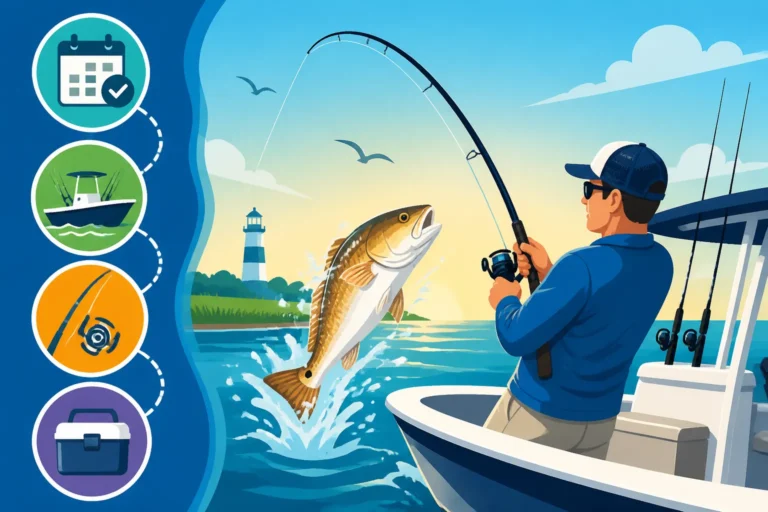
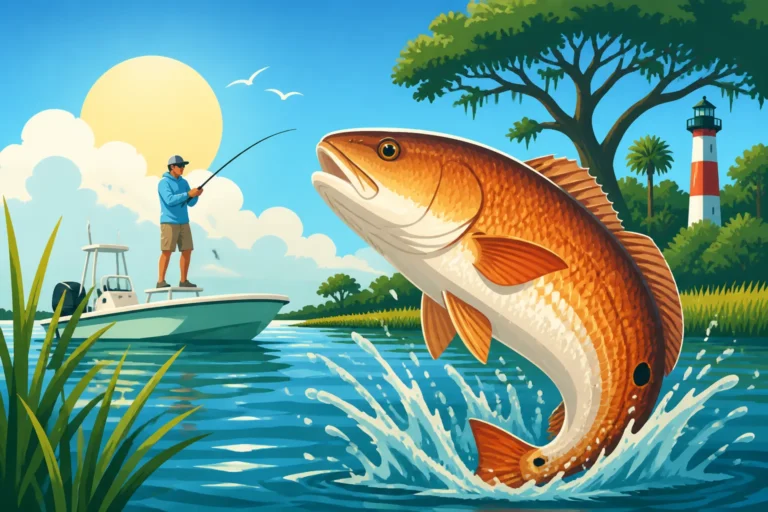
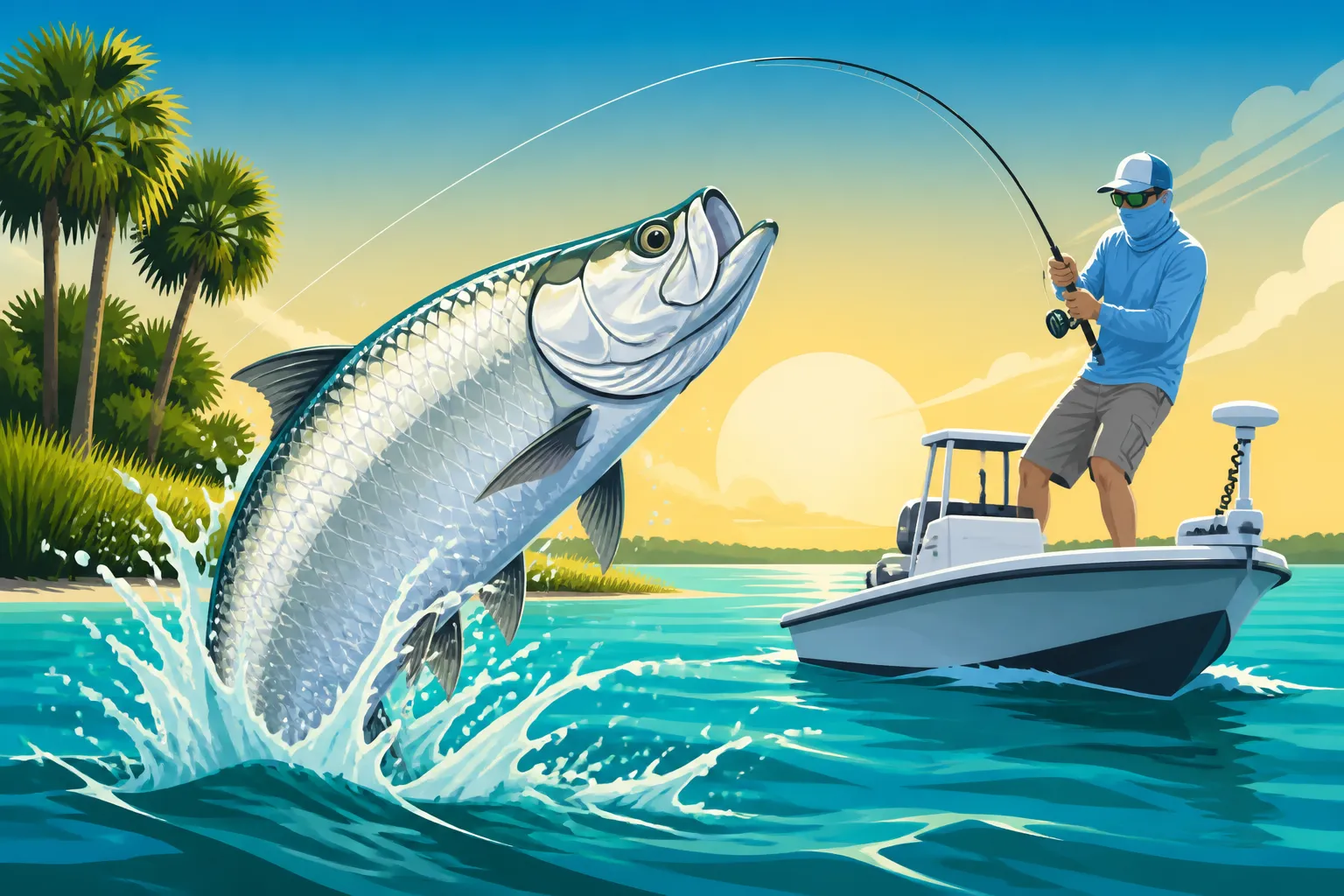
Imagine standing on the bow of a boat, the lowcountry marsh grass stretching out behind you, as a massive silver torpedo leaps from the water, shaking its head violently in an attempt to throw the hook. That's the electrifying moment every tarpon angler dreams of. Tarpon are not just big; they are acrobatic fighters, renowned for their incredible jumps and long, powerful runs. They test an angler's skill, patience, and stamina like few other fish can. In South Carolina, our coastal waters provide a prime stage for these thrilling encounters.
The sheer size of an adult tarpon is enough to impress anyone. Anglers often spend years chasing that one trophy tarpon, a fish that can easily top 100 pounds. It’s not just about the catch, though; it’s about the hunt, the strategy, and the respect for a truly magnificent creature. Landing a tarpon, or even just hooking one and feeling that explosive power, creates stories that last a lifetime, forging a deep connection with the ocean and its incredible inhabitants.
Prime Season: Summer Heat and Tarpon Presence
While tarpon are migratory and can be found along the coast at various times, summer is unequivocally prime tarpon season in South Carolina. As water temperatures rise, typically from late May through September, these magnificent fish move into our coastal estuaries, inlets, and nearshore waters. They follow baitfish and seek out the warmer, nutrient-rich environments. This seasonal migration means that during the peak summer months, your chances of encountering tarpon are significantly higher.
This is when the coastal waters truly come alive with activity. The warm weather also makes for comfortable fishing conditions, with calm mornings and stunning sunsets often accompanying your trips. It's a time when the entire ecosystem is buzzing, and charter captains who specialize in tarpon are dialed in, keenly aware of the fish's movements and feeding patterns. If you're planning a trip specifically to target tarpon, aiming for the height of summer will give you the best shot at success. You'll often find that the biggest fish are present during these warmer months, fueling their massive bodies in preparation for their migrations.
Challenges and Rewards of the Hunt
Tarpon fishing is not for the faint of heart, and that's precisely part of its allure. These fish are notorious for being finicky eaters and incredibly challenging to hook and land. They have bony mouths that make solid hook sets difficult, and their spectacular jumps are often accompanied by violent head shakes designed to throw the hook. You can go hours, even days, without a bite, only to have a single, heart-stopping strike that makes all the waiting worthwhile.
The reward, however, is immense. It's the satisfaction of outsmarting a cunning predator, the adrenaline rush of a furious fight, and the sheer awe of releasing a healthy, powerful fish back into its natural habitat. It's a testament to your angling skill and perseverance. A successful tarpon charter isn't always measured by how many fish you land, but by the quality of the encounters and the thrilling moments that unfold on the water. It’s about the experience, the challenge, and the unforgettable memory of battling a true leviathan of the shallows.
Understanding South Carolina Tarpon: Behavior and Habitat
To successfully target tarpon on a summer charter, it's incredibly helpful to understand their behavior, migration patterns, and preferred habitats along the South Carolina coast. Knowing where they're likely to be and what they're doing can significantly increase your chances of a successful hook-up. Your charter captain will be the expert, of course, but having a foundational understanding makes you a more engaged and informed angler.
Tarpon Migration Patterns Along the Coast
Tarpon are true nomads of the sea, undertaking extensive migrations throughout their lives. In the spring, as southern waters begin to warm, tarpon start their journey northward along the coast. By early summer, they arrive in significant numbers in South Carolina's estuaries, rivers, and nearshore waters, following the abundant baitfish that also flourish in the warmer temperatures. They’ll spend the summer months gorging themselves on mullet, menhaden, shrimp, and crabs, building up energy reserves.
As fall approaches and water temperatures begin to drop, these impressive fish will reverse course, heading back south to warmer, tropical waters. This means that for a relatively short window each year, typically from May through September, South Carolina becomes a hotspot for tarpon fishing. Experienced captains know these patterns intimately, tracking water temperatures, baitfish movements, and historical data to pinpoint the best locations at any given time during the season. This migratory nature is why planning your South Carolina Fishing Seasons Guide around summer is crucial for tarpon.
Preferred Habitats and Feeding Grounds
During their summer stay, South Carolina tarpon can be found in a variety of coastal environments. They are often encountered in large, murky estuaries and tidal rivers, especially around deeper channels, creek mouths, and oyster bars where baitfish congregate. These areas provide both food and protection. You'll also find them in the surf zone, cruising just beyond the breaking waves, and around major inlets where strong currents bring in a constant supply of food.
One of the most exciting ways to target tarpon is by finding them "rolling" on the surface, gulping air. This behavior often indicates their presence in a particular area, especially in calmer waters, and gives anglers a visual cue to their location. Your captain will often look for these tell-tale signs, as well as use their knowledge of local structures and currents to identify prime feeding grounds. The specific spots can vary day by day, influenced by tide, wind, and baitfish movements, making local knowledge from a charter captain absolutely invaluable.
Identifying and Locating Tarpon
Spotting tarpon requires a keen eye and often, patience. As mentioned, the most obvious sign of tarpon are their "rolls" — they come to the surface, gulp air, and then submerge, often creating a subtle swirl. These rolls can look like a small ripple or a more significant splash depending on the size and activity of the fish. In clearer waters, you might also spot them free-swimming, identifiable by their large, silver scales and distinctive, elongated body shape.
Your captain will be constantly scanning the water, looking for these rolls, nervous baitfish, or even the shadows of large fish moving beneath the surface. They'll also use their fish finders and other electronics to locate schools of baitfish, which are a strong indicator that predators like tarpon might be nearby. Understanding the tides and current flow is also critical, as tarpon often use these natural forces to ambush prey. Knowing these indicators helps you become an active participant in the hunt, making the experience even more rewarding.
Booking Your Summer Tarpon Charter
Once you've decided to chase the Silver King, the next crucial step is booking a reputable and experienced charter. This isn't just any fishing trip; tarpon require specialized knowledge, gear, and techniques. Choosing the right captain can make all the difference between a frustrating outing and a once-in-a-lifetime adventure.
Finding Reputable Captains and Boats
Finding a seasoned tarpon captain is paramount. You need someone with a proven track record, specific experience targeting tarpon in South Carolina, and the right boat and gear for the job. Word-of-mouth recommendations are excellent, but online resources also play a huge role. Platforms like FishingBooker are incredibly helpful for comparing different charters, reading reviews from other anglers, and checking captain availability and specialties. This allows you to easily filter for captains who explicitly offer Summer Tarpon Charters on the South Carolina Coast.
When researching, look for captains who are enthusiastic about tarpon and who emphasize catch-and-release practices, as this is crucial for the species' conservation. Don't be afraid to read through multiple reviews and compare several options. A good tarpon captain will often have specific boats designed for inshore and nearshore fishing, capable of navigating both shallow estuaries and slightly choppier coastal waters. Their expertise in the local South Carolina waters will be your biggest asset in finding these elusive fish.
Key Questions to Ask Before Booking
Before you commit to a charter, engage with the captain or booking agent. Ask detailed questions to ensure the trip aligns with your expectations. Here are a few to get you started:
- "What's your experience specifically with tarpon in South Carolina?" You want a specialist, not just a general fishing guide.
- "What tackle and techniques do you primarily use for tarpon?" This helps you understand their approach and whether it matches your preferred style.
- "What is your success rate for tarpon, and what do you consider a successful trip?" Remember, tarpon fishing is tough; success might mean a few bites or jumps, not necessarily landed fish.
- "What happens if the weather is bad?" Understand their cancellation or rescheduling policy.
- "What is your philosophy on tarpon conservation and handling?" A responsible captain will prioritize the fish's welfare.
Asking these questions helps you set realistic expectations and ensures you're booking with a professional who shares your passion for ethical and exciting tarpon fishing. Don't forget to inquire about the South Carolina Fishing License Guide requirements, as some charters provide a blanket license for all on board, while others require individual purchase.
Understanding Charter Packages and Inclusions
Summer tarpon charters typically come with various packages, often differentiated by trip length (half-day, 3/4-day, full-day) and sometimes by the number of anglers. Most reputable charters will include all the necessary fishing gear (rods, reels, tackle), bait, and often ice and water. However, it's vital to clarify what's included and what you might need to bring yourself.
Consulting platforms like FishingBooker or the captain's direct website will usually outline these details clearly. For example, some charters might include a cooler full of soft drinks, while others expect you to bring your own. You'll definitely want to ask about What's Included in a South Carolina Charter Fishing Trip specifically for tarpon. Snacks, lunch, sunscreen, hats, and appropriate clothing are almost always your responsibility. Make sure you understand the pricing structure – whether it's a flat rate for the boat or a per-person charge – and if a deposit is required upfront. Knowing these details helps you budget and prepare appropriately for your adventure.
What to Expect on a Tarpon Charter
Embarking on a tarpon charter is an experience filled with anticipation and excitement. While no two days on the water are exactly alike, there are some common elements you can expect when targeting these incredible fish along the South Carolina coast.
Common Tarpon Fishing Techniques
Tarpon can be targeted using a variety of methods, and your captain will choose the technique best suited for the conditions, location, and the fish's behavior on any given day.
- Live Bait Fishing: This is perhaps the most common and effective method. Live mullet, menhaden, or shrimp are presented either free-lined, under a float, or on the bottom. The captain will position the boat in areas where tarpon are known to congregate or migrate, letting the live bait do its work. This technique is often used when tarpon are scattered or less active on the surface.
- Sight Casting: When tarpon are "rolling" or cruising in clearer, shallower water, sight casting can be incredibly thrilling. The captain will position the boat quietly, allowing anglers to cast artificial lures (like soft plastic paddle tails or D.O.A. Bait Busters) or flies directly to visible fish. This requires quick reflexes, accurate casting, and a keen eye.
- Drifting/Trolling: Sometimes, in larger estuaries or near inlets, captains might drift with the current or slowly troll live baits or large plugs to cover more water, especially if the fish aren't showing themselves on the surface. This can be an effective way to intercept schools of moving tarpon.
Each technique has its nuances, and your captain will guide you through the process, providing tips on how to present the bait or lure, how to set the hook, and how to fight these powerful fish.
Essential Gear and Tackle for Tarpon
Tarpon demand heavy-duty tackle capable of withstanding their immense power and explosive runs. You won't be using your light freshwater setup here! Your charter captain will provide all the necessary specialized equipment, but it's good to know what to expect.
- Rods and Reels: Expect stout spinning or conventional rods, typically 7-8 feet in length, paired with reels that hold a significant amount of heavy braided line (often 50-80 pound test). The reels will have strong drags to handle the tarpon's powerful surges.
- Leaders: A heavy monofilament or fluorocarbon leader, often 80-100 pound test, is crucial. This protects the main line from the tarpon's abrasive mouth and gills and provides a bit of stretch for shock absorption.
- Hooks: Large, strong, sharp circle hooks are commonly used, especially with live bait. Circle hooks are preferred because they typically hook the fish in the corner of the mouth, reducing harm and making catch-and-release easier and safer for the fish.
- Lures/Bait: Depending on the technique, expect live bait such as mullet or menhaden, or large artificial lures designed to imitate these baitfish. Your captain will have a well-stocked baitwell and tackle box.
Having the right gear is non-negotiable for tarpon fishing, which is why a reputable charter is so valuable – they invest in and maintain this specialized equipment. You'll quickly appreciate having robust gear when you feel the pull of a 100-pound tarpon.
The Thrill of the Fight: Landing a Tarpon
Hooking a tarpon is just the beginning of what can be an epic battle. The moment a tarpon realizes it's hooked, it's likely to go airborne, launching itself repeatedly out of the water. This is where the infamous "bow to the king" technique comes in: when the fish jumps, you "bow" (point your rod tip at the fish) to create slack in the line, preventing the fish from leveraging the tight line to throw the hook. Your captain will be yelling instructions, helping you remember this critical maneuver.
The fight itself will involve powerful runs, with the tarpon peeling line off your reel at incredible speeds. You'll need to maintain constant pressure, reel when you can, and use your body to absorb the shock. It's a full-body workout that can last anywhere from 15 minutes to over an hour, depending on the size of the fish and your angling experience. Landing a tarpon, or at least bringing it boatside for a quick photo and release, is a monumental achievement that will leave you breathless and exhilarated. Patience and endurance are key, and your captain will provide expert coaching throughout the fight.
Regulations and Responsible Tarpon Fishing in South Carolina
As with all fishing, understanding and adhering to regulations is essential. This is especially true for a powerful, migratory species like tarpon, which are highly valued for their sporting qualities rather than their table fare. South Carolina has specific rules in place to protect these magnificent fish.
South Carolina's Tarpon Rules and Catch Limits
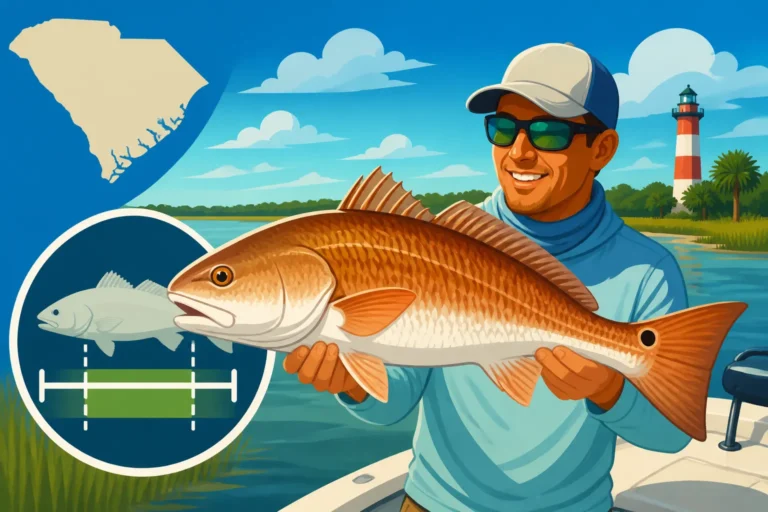
Currently, tarpon fishing in South Carolina is managed under strict catch-and-release guidelines. This means that while you can target and catch tarpon, they are a protected species, and harvesting tarpon is generally prohibited. This conservation-minded approach ensures that these incredible fish can continue to thrive and provide thrilling opportunities for future generations of anglers.
It's always crucial to verify the most current Saltwater Fishing Rules in South Carolina before your trip, as regulations can change. Your charter captain will be fully aware of all current rules and will ensure that your trip complies with them. The focus of a tarpon charter is almost always on the thrill of the fight and the experience of encountering the fish, not on keeping it for dinner. This commitment to catch and release is vital for sustaining healthy tarpon populations along our coast.
Best Practices for Catch and Release
Because tarpon are strictly catch and release, proper handling is not just recommended, it's essential for the fish's survival. Your captain will be an expert in these practices, but here’s what you can expect and how you can help:
- Minimize Fight Time: While a long fight is exhilarating, it can exhaust the fish. Use appropriate tackle and apply steady pressure to bring the fish to the boat as efficiently as possible.
- Stay in the Water: Whenever possible, keep the tarpon in the water beside the boat. Lifting large tarpon completely out of the water, especially horizontally, can cause internal damage. If a photo is desired, a quick lift for a few seconds with adequate support (one hand under the head, one under the belly) is acceptable, but the fish should be returned to the water immediately.
- Revive the Fish: After a hard fight, a tarpon might be exhausted. The captain will often hold the fish by the mouth (with gloves) and move it gently forward in the water to force water over its gills, helping it recover. This "reviving" process is crucial until the fish is strong enough to swim away on its own.
- Circle Hooks: As mentioned, circle hooks are preferred because they minimize gut-hooking, making removal easier and less damaging. Your captain will ensure these are used.
By following these guidelines, you're not just enjoying a great fishing trip; you're actively participating in the conservation of a truly iconic species. The goal is to send that Silver King swimming away strong, ready to fight another day.
Conservation Efforts and Future of Tarpon
The catch-and-release policy for tarpon in South Carolina is a direct result of ongoing conservation efforts. Scientists, anglers, and regulatory bodies recognize the importance of protecting these magnificent fish, which face challenges from habitat loss and environmental changes. By advocating for responsible angling practices and promoting scientific research, we can ensure that tarpon populations remain healthy.
Many charter captains are passionate advocates for tarpon conservation. They understand that their livelihood, and the incredible experiences they provide, depend on the health of the fishery. When you book a summer tarpon charter, you're not just paying for a fishing trip; you're supporting local businesses that are often at the forefront of conservation efforts, dedicated to preserving this incredible natural resource. Understanding South Carolina Fishing Bag Limits Explained helps appreciate why tarpon are treated differently than other species.
Maximizing Your Tarpon Charter Experience
A summer tarpon charter is an investment in an unforgettable experience. To ensure you get the most out of your trip, a little preparation and a good attitude go a long way.
Preparing for Your Trip
While your captain will handle most of the gear, being personally prepared for a day on the water can greatly enhance your comfort and enjoyment.
- Sun Protection: The South Carolina summer sun is intense, especially on the water. Bring high SPF sunscreen, a wide-brimmed hat, sunglasses (polarized are a huge plus for spotting fish!), and long-sleeved, lightweight clothing. Sun gloves can also be a lifesaver.
- Appropriate Clothing: Dress in layers. Even on a hot day, mornings can be cool, and an unexpected rain shower can happen. Quick-drying fabrics are always a good choice. Non-slip shoes are a must for safety on a wet boat deck.
- Stay Hydrated and Fed: Bring plenty of water and snacks. Your captain might provide some, but having your own ensures you have what you like. A full-day trip is physically demanding, and you'll want to keep your energy up.
- Motion Sickness: If you're prone to seasickness, take preventative measures before you get on the boat. Over-the-counter medications like Dramamine or Bonine work best when taken an hour or two in advance. Being well-rested and avoiding heavy, greasy foods beforehand can also help.
For a more comprehensive checklist, check out our guide on What to Bring on a South Carolina Fishing Charter. Being prepared means you can focus entirely on the fishing experience, rather than being distracted by discomfort.
What to Bring and What to Leave Behind
Beyond the essentials for sun and comfort, here’s a quick guide:
| Category | What to Bring | What to Leave Behind (or ask captain) |
|---|---|---|
| Personal Gear | Sunscreen, Hat, Sunglasses (polarized), Lip balm | Heavy jackets (unless specifically cold) |
| Lightweight, long-sleeved clothing, Non-slip shoes | Glass bottles | |
| Small backpack or dry bag for essentials | Unnecessary bulky items | |
| Personal medications, Seasickness remedies | ||
| Food & Drink | Water bottles, Non-alcoholic beverages | Large coolers (unless cleared) |
| Snacks, Lunch (for full-day trips) | Excess alcohol | |
| Fishing Gear | Camera (waterproof if possible) | Your own rods & reels (unless discussed) |
| Small, soft cooler for personal drinks | Excessive tackle | |
| Attitude | Patience, Enthusiasm, Sense of adventure | Negative attitudes, Unrealistic expectations |
Remember, space on a boat is often limited, so pack efficiently. Your captain will usually have all the fishing specific items covered.
Making the Most of Your Time on the Water
Once on board, your charter captain is your guide, mentor, and partner in the hunt. Listen to their instructions, ask questions, and engage with the process. They've spent countless hours on these waters and know the nuances of tarpon behavior better than anyone. Be patient; tarpon fishing often involves periods of quiet observation punctuated by sudden, explosive action.
Don't be afraid to communicate with your captain. If you're feeling tired, need a break, or want to try a different technique, let them know. They want you to have a great experience. Finally, remember that gratuity for your captain and crew is customary, especially for a job well done. Check out our guide on Tipping Your South Carolina Fishing Guide for common practices. A summer tarpon charter on the South Carolina coast is an adventure of a lifetime, and with the right preparation and attitude, you're set for an incredible day chasing the Silver King.
Disclaimer
This article is for general informational purposes only and does not constitute professional advice. Laws, prices and regulations vary by location and change over time. Consult a qualified professional for guidance on your specific situation.