Offshore Fishing Charters near Hilton Head, South Carolina
There's nothing quite like the allure of the open ocean, the thrill of the chase, and the promise of a truly monumental catch. But for many aspiring anglers looking to experience the magic of deep-sea fishing off Hilton Head, the process of finding and booking an offshore charter can feel like navigating a maze. It’s not just about finding a boat; it’s about understanding what "offshore" truly means in these waters, what magnificent creatures lurk beneath, and how to pick the perfect guide for an unforgettable adventure without breaking the bank or feeling overwhelmed. This comprehensive guide is here to unravel all those mysteries, helping you plan your ultimate offshore fishing trip from Hilton Head, South Carolina.
What Defines Offshore Fishing from Hilton Head?
When we talk about "offshore" fishing, we're really talking about venturing beyond the calmer, shallower waters of the sounds, estuaries, and nearshore reefs. This isn't your typical inshore trip chasing redfish in the marsh; it's a commitment to the deep blue, where the true giants of the ocean roam. From Hilton Head, heading offshore means making a significant run, often anywhere from 20 to 70 miles (or even further!) out into the Atlantic. These longer runs are what open up a whole new world of angling opportunities, but they also require more robust boats, experienced captains, and a real understanding of the marine environment.
Beyond the Horizon: Understanding the Waters
The waters off Hilton Head, particularly when you start pushing further out, transition dramatically. You're leaving the relatively shallow, green coastal waters and heading for the deep, often sapphire-blue expanse of the continental shelf and beyond. This is where the ocean floor drops off, creating structures like ledges, wrecks, and artificial reefs that attract baitfish, which in turn attract larger predatory species. The famed Gulf Stream, a powerful warm-water current, also plays a huge role. While the main current itself is quite a distance, its eddies and fingers can push warm water and pelagic species closer to shore, especially during certain times of the year. Understanding these hydrographic features is key to successful offshore fishing, as they dictate where fish will be holding and migrating.
These trips aren't short jaunts; they often involve a substantial amount of time just traveling to and from the fishing grounds. This travel time is part of the experience, offering breathtaking views of the coastline receding into the distance and the ever-changing hues of the ocean. It's a chance to truly disconnect and immerse yourself in the vastness of the Atlantic. The conditions can change quickly out here, so a good captain is always monitoring weather and sea state, ensuring both safety and the best chance at productive fishing.
The Allure of Deep-Sea Adventure
There's a reason why deep-sea fishing holds such a mythical status among anglers. It's the challenge, the unpredictability, and the sheer power of the fish you encounter. Unlike inshore fishing where you might be casting into familiar creeks, offshore fishing is about exploring vast, open waters and locating fish that are often highly migratory. The equipment is heavier, the baits are often larger, and the fight is simply on a different scale. Imagine reeling in a powerful mahi-mahi or battling a tuna that feels like a freight train on the other end of your line; these are the moments that offshore anglers live for.
For many, it's also about the camaraderie. Being out on the open ocean with a dedicated crew and fellow anglers, sharing stories, and collectively working to land a big fish creates a bond that's hard to replicate. The sheer anticipation as you approach a promising fishing spot, the sudden scream of a reel as a fish strikes, and the adrenaline rush of the fight itself – these are the hallmarks of a true deep-sea adventure. It's a chance to test your mettle against some of the ocean's strongest inhabitants and create memories that will last a lifetime.
Target Species: What You'll Be Chasing in the Deep
One of the most exciting aspects of booking an offshore charter from Hilton Head is the incredible diversity of fish you can encounter. Unlike inshore trips that often focus on a handful of species, the deep blue opens up possibilities for a wide array of powerful and prized game fish. Your target species will often depend on the season, the depth you're fishing, and of course, what your captain recommends based on recent activity.
Pelagic Powerhouses: Tuna, Wahoo, and Mahi-Mahi
These are the speed demons and acrobats of the open ocean, renowned for their incredible fights and delicious table fare. When targeting species like tuna, wahoo, and mahi-mahi, captains often employ trolling techniques, dragging multiple lines with artificial lures or natural baits through the water column at varying depths. The goal is to cover a lot of ground and entice these fast-moving predators.
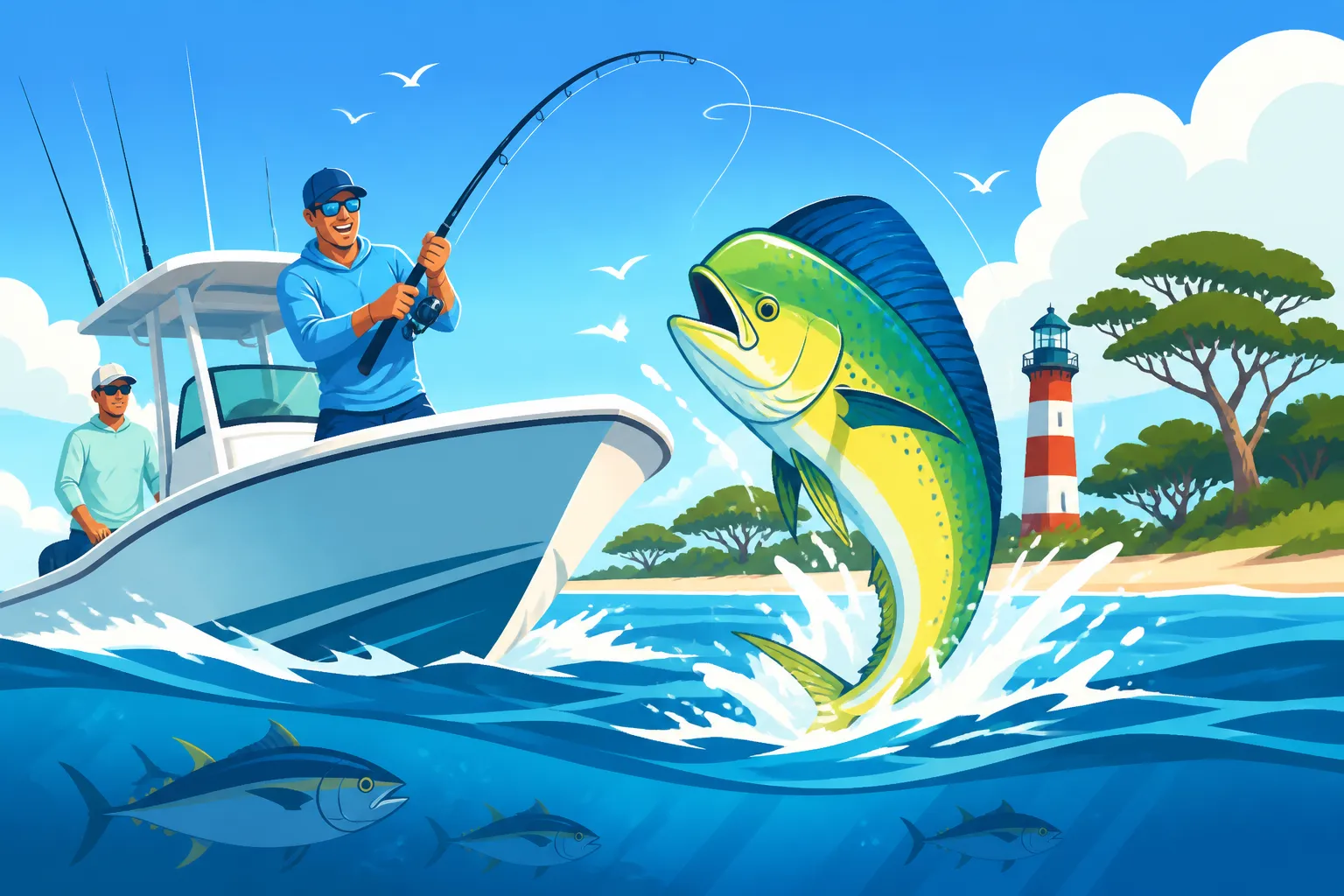
- Mahi-Mahi (Dolphin Fish): Known for their vibrant colors and incredible aerial displays, mahi-mahi are a favorite target. They tend to school around floating debris or weed lines, which can act as mini-ecosystems attracting baitfish. They are often caught from late spring through fall when the warmer waters are present. Hooking into one of these beauty's is an experience every angler should have. You can learn more about Mahi-Mahi Charter Fishing Trips in South Carolina.
- Wahoo: Sleek, powerful, and incredibly fast, wahoo are built for speed. Their sharp teeth can make short work of tackle, so heavy leaders are essential. They are highly prized for their firm, white meat and are often caught trolling at higher speeds. They're typically found further offshore, often in association with distinct temperature breaks or current lines.
- Tuna (Yellowfin and Blackfin): While true bluefin tuna are rare in these waters, yellowfin and blackfin tuna are common targets. Yellowfin can grow quite large and offer a monumental fight, while blackfin are smaller but plentiful and equally delicious. Tuna often travel in schools and can be targeted by trolling, live baiting, or even jigging. Charter captains specializing in these species know the offshore structures and temperature breaks that tend to hold them. For a deeper dive, check out Tuna and Wahoo Charters off the South Carolina Coast.
Bottom Dwellers and Reef Residents: Snapper and Grouper
While the pelagic species get a lot of glory for their speed and acrobatics, the bottom-dwelling fish offer a different kind of thrill: brute strength and a dogged fight from the depths. Many offshore trips will focus on fishing over natural or artificial reefs, ledges, and wrecks where these fish congregate. These trips often involve dropping baited lines down to the bottom, sometimes hundreds of feet deep.
- Snapper (Red Snapper, Vermilion Snapper, Lane Snapper): Red snapper are perhaps the most iconic, known for their brilliant red color and excellent taste. However, specific seasons and strict regulations often apply to red snapper, so be sure to check current rules with your captain. Vermilion snapper, often called "beeliners," are smaller but plentiful and make for fantastic eating. They inhabit rocky bottoms and ledges. Other species like lane snapper and mangrove snapper also provide great action.
- Grouper (Gag Grouper, Scamp Grouper, Red Grouper): Groupers are ambush predators that live on the bottom, often in rocky holes or around wrecks. When hooked, they'll make a powerful run straight back to their rocky lair, trying to "rock you up" and break the line. Strong tackle and quick reflexes are needed to pull them away from structure. Gag grouper are a popular target, offering a hefty fight and flaky, white meat. Scamp grouper are also highly prized for their delicate flavor. Just like snapper, grouper species are subject to specific size and bag limits, which your charter captain will be well-versed in.
The Thrill of Shark Fishing
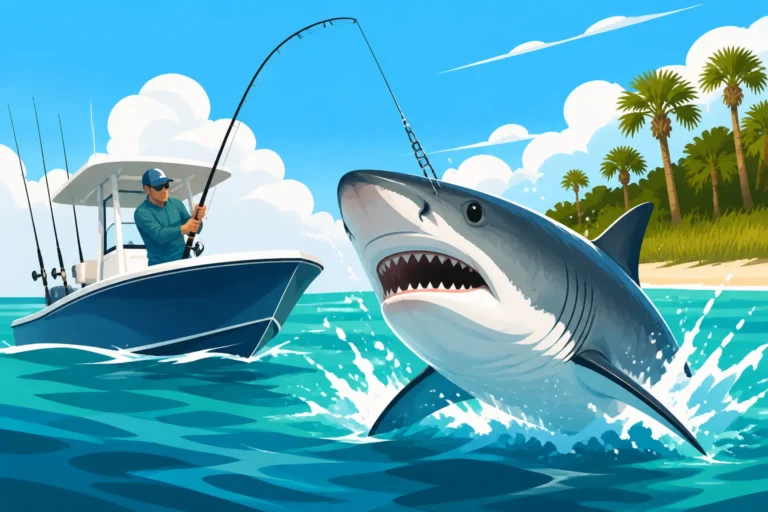
For those seeking an intense adrenaline rush and a truly powerful adversary, shark fishing offshore is an unforgettable experience. While specific shark species might be targeted, many charter captains offer general shark trips where you can encounter various sizes and types. These powerful predators can range from smaller species to larger sharks that will test every ounce of your strength and your tackle's durability.
Commonly encountered shark species offshore include blacktip sharks, spinner sharks, hammerheads, and sometimes even larger species like tiger sharks or mako sharks, depending on how far out you go and the time of year. Shark fishing often involves chumming, creating a scent trail in the water to attract sharks to the boat, or targeting them near wrecks and reefs. The fight with a large shark is an epic battle of wills, often lasting for an extended period. Many shark fishing trips are catch-and-release to promote conservation, though some species may be kept if legal and within regulations. If this sounds like your kind of adventure, you might want to look into Shark Fishing Charters in South Carolina Waters.
Types of Offshore Charters Available from Hilton Head
Booking an offshore charter isn't a one-size-fits-all situation. The type of trip you choose will significantly impact your experience, from the duration and cost to the species you'll target and the overall atmosphere on board. Understanding your options is key to ensuring your Hilton Head deep-sea adventure aligns with your expectations and budget.
Half-Day vs. Full-Day Expeditions
This is often the first decision anglers face, and it's a big one because it directly impacts how much time you'll spend on the actual fishing grounds.
- Half-Day Charters (Typically 4-6 hours): A half-day offshore trip from Hilton Head usually means you'll spend a significant portion of that time running to and from closer offshore spots. While it’s certainly possible to catch fish, the range of species and the amount of fishing time might be more limited. These trips are often a good introduction to offshore fishing, especially for families with younger children or those who are unsure how they'll handle the open ocean. You might target species like king mackerel, Spanish mackerel, or even some of the closer reef fish, depending on how far the captain can run within the time frame. It's a taste of the deep blue without the full commitment, and a great way to gauge your sea legs.
- Full-Day Charters (Typically 8-12 hours): For the serious angler or those looking for the ultimate offshore experience, a full-day charter is almost always the way to go. These longer trips allow the captain to run further offshore, often reaching the productive waters of the Gulf Stream eddies or deeper wrecks and ledges. This means more time fishing, more opportunities to target pelagic species like tuna, wahoo, and mahi-mahi, and a greater chance of landing a trophy. While more expensive and a bigger time commitment, the potential rewards and the immersive experience are well worth it for many. For more on this, check out Half-Day vs Full-Day Fishing Charters in South Carolina.
Private Charters vs. Shared Experiences
Another crucial choice is whether to book a private boat or join a shared/head boat trip. Each has its distinct advantages.
- Private Charters: When you book a private charter, you and your group have the entire boat and crew to yourselves. This offers immense flexibility; you can often discuss your target species preferences with the captain, and the entire trip is tailored to your group's interests and skill levels. It's a more personalized and intimate experience, perfect for families, groups of friends, or corporate outings. While the upfront cost is higher, when divided among a group, it can become quite reasonable per person. It allows for specialized techniques and more individual attention from the crew.
- Shared Charters (Head Boats/Party Boats): Shared charters, often called "head boats" or "party boats," involve booking a spot for an individual or small group alongside other anglers. These trips are typically more budget-friendly per person, as the cost of the boat and crew is split among all passengers. While you'll have less control over the target species and fishing style (the captain usually has a plan for the whole group), they are a fantastic option for solo anglers, couples, or those looking for a more economical way to experience offshore fishing. The atmosphere can be lively, and it's a great way to meet fellow fishing enthusiasts. Platforms like FishingBooker often list both private and shared charter options, making it easier to compare.
Specialized Trips: Gulf Stream Runs and Tournament Prep
Beyond the standard half-day and full-day options, some Hilton Head captains offer highly specialized offshore charters designed for specific goals.
- Gulf Stream Runs: These are often the longest and most ambitious offshore trips, pushing deep into the warmer, nutrient-rich waters of the Gulf Stream. These expeditions are specifically aimed at targeting the largest pelagic species, including marlin, swordfish, and the biggest tuna and wahoo. They are typically full-day or even multi-day trips, demanding serious dedication and a higher budget, but they offer the chance at truly world-class fishing. These trips require significant planning and often the most experienced captains and crew.
- Tournament Preparation/Charters: For competitive anglers, some captains offer charters specifically geared towards practicing for or participating in fishing tournaments. These trips focus on maximizing the chances of landing tournament-winning fish, often involving specific techniques, advanced electronics, and extensive knowledge of local tournament rules and hotspots. This is a highly specialized service for serious anglers looking for an edge.
Choosing the Right Offshore Charter and Captain
Selecting the perfect offshore charter and captain from Hilton Head is perhaps the most critical step in ensuring a successful and enjoyable trip. It’s not just about finding an available boat; it's about matching your expectations with the right expertise, equipment, and personality. A great captain and crew can make all the difference between a good day and an unforgettable one.
Vetting Your Options: Experience and Reputation
When you're entrusting your deep-sea adventure (and safety!) to someone, experience and a solid reputation are non-negotiable.
- Captain's Experience: Look for captains who have extensive experience fishing the specific offshore waters around Hilton Head. They should know the local structure, current patterns, and seasonal movements of the target species like the back of their hand. A seasoned captain won't just take you out; they'll anticipate conditions, adapt strategies, and put you on the fish. Don't be shy about asking about their years in the business and their local knowledge. Websites like FishingBooker often provide captain profiles, including their years of experience and specialties.
- Reputation and Reviews: In today's digital age, online reviews are incredibly valuable. Look for charters with consistent positive feedback regarding their professionalism, fish-finding abilities, boat maintenance, and overall customer service. Pay attention to comments about the crew's helpfulness, especially for beginners or families. Word-of-mouth recommendations from fellow anglers are also gold. A charter that consistently receives high praise for its ability to put clients on tuna or mahi-mahi speaks volumes.
Understanding Boat Size and Amenities
The vessel itself is your home for the day, so its size, type, and amenities play a significant role in your comfort and success.
- Boat Size and Type: Offshore boats typically range from 25-foot center consoles to much larger 50-foot sportfishers. Smaller boats can be nimble and fast, often great for a small, experienced group. Larger sportfishers offer more space, greater stability in rougher seas, and more amenities. Consider your group size and how much space you prefer. A larger boat generally provides a smoother ride, which can be a huge plus on a long run offshore.
- Amenities and Comfort: Think about what's important for your trip. Does the boat have a restroom (head)? Is there a shaded area or cabin to escape the sun or a sudden shower? What about comfortable seating? For longer full-day trips, these amenities become much more important. Some charters offer air-conditioned cabins, galleys, and even bunks for multi-day expeditions. If you're planning a trip with kids, a boat with more creature comforts might be a better choice.
Questions to Ask Before You Book
Don't be afraid to ask plenty of questions before committing to a charter. A reputable captain will be happy to provide all the information you need.
- What species are you targeting, and what are the chances of catching them? Be realistic, but a good captain will give you an honest assessment of current fishing conditions and typical catches.
- What's included in the price? This is crucial. Does it cover bait, tackle, and South Carolina Charter Fishing Licenses and Gear Included? What about drinks, snacks, or lunch? Clear up any ambiguities upfront to avoid surprises.
- What's the crew-to-angler ratio? For larger groups, more deckhands can make a significant difference in assistance and overall experience, especially when multiple fish are hooked simultaneously.
- What's the cancellation policy for bad weather or unforeseen circumstances? Understanding this protects your investment. Most reputable charters will offer a reschedule or full refund for captain-canceled trips due to unsafe conditions.
- Are they kid-friendly? If you're bringing children, ensure the crew is patient and experienced with younger anglers, offering guidance and making the trip enjoyable for everyone.
- What are the current regulations for the fish we're targeting? A good captain will be up-to-date on all federal and state regulations, including size limits, bag limits, and seasons for species like snapper and grouper.
Preparing for Your Hilton Head Offshore Fishing Trip
Once you've booked your offshore charter from Hilton Head, the next step is to prepare yourself for the adventure. Being well-prepared can significantly enhance your comfort, safety, and enjoyment out on the open ocean. A little foresight goes a long way, especially when you're many miles from shore.
What to Pack: Essentials for a Day at Sea
Even though the charter typically provides essential fishing gear, there are several personal items you'll want to bring to make your day more pleasant. Think layers and protection from the elements.
- Sun Protection: The sun's intensity is amplified on the water. Bring a wide-brimmed hat, polarized sunglasses (crucial for spotting fish and protecting your eyes), and high SPF, reef-safe sunscreen. Long-sleeved shirts and pants, even lightweight ones, can also offer excellent protection.
- Layered Clothing: Offshore temperatures can fluctuate. It might be cool in the morning run out, warm during the day, and then cool again on the way back. Dress in layers so you can adjust as needed. Quick-drying fabrics are always a good choice.
- Footwear: Wear comfortable, non-slip shoes. Boat decks can get wet, and stability is key. Avoid flip-flops, which can be slippery and offer no protection.
- Food and Drinks: While some charters include beverages, it's always wise to bring extra water to stay hydrated. Snacks or a packed lunch, especially for full-day trips, are a good idea. Check with your captain if there are any restrictions on coolers or specific food items. You can find more comprehensive advice in What to Bring on a South Carolina Fishing Charter.
- Personal Medications: Don't forget any prescription medications you need. And if you're prone to seasickness, definitely bring your preferred remedy (more on that below!).
- Camera: You'll want to capture those trophy shots! Make sure it's waterproof or in a protective case.
Managing Seasickness and Sun Exposure
These two factors can quickly turn an exciting trip into a miserable one if not properly addressed.
- Seasickness Prevention: If you've ever experienced seasickness, or are unsure how you'll react, take preventative measures! This is not the time to be a hero. Over-the-counter medications like Dramamine or Bonine should be taken before you board the boat, preferably the night before and again in the morning. Acupressure wristbands can help some people. Avoid heavy, greasy meals the night before and stick to light, bland foods. Staying on deck in the fresh air and focusing on the horizon can also help. Hydration is key, but avoid excessive alcohol.
- Sun Exposure: Beyond sunscreen and protective clothing, seek shade whenever possible. Even on cloudy days, UV rays can penetrate and cause sunburn. Regular reapplication of sunscreen is vital, especially after sweating or getting splashed. Heatstroke and severe sunburn can be serious, so prioritize protecting yourself throughout the trip.
Understanding Catch and Release & Regulations
Responsible angling is a cornerstone of sustainable fishing, and understanding regulations is part of the deal.
- Regulations and Limits: Your charter captain is legally responsible for adhering to all federal and state fishing regulations, including size limits, bag limits, and seasons for specific species. Listen to their guidance carefully. For example, some species like red snapper might have very limited open seasons or be strictly catch-and-release, while others like certain types of grouper might have minimum size requirements. Your captain will guide you on what you can keep and what needs to be released. This is crucial for managing fish populations and ensuring good fishing for future generations.
- Catch and Release Best Practices: For fish that must be released, the crew will demonstrate how to handle them quickly and carefully to maximize their survival chances. This often involves minimizing time out of water, proper de-hooking techniques, and, for deep-water fish, sometimes using descending devices to safely return them to depth. Respecting these practices helps conserve the fishery.
Navigating Costs and Inclusions of Offshore Charters
The cost of an offshore fishing charter can sometimes feel like a moving target, especially when you're trying to compare different services. It's essential to understand what's typically included and what might be extra to budget appropriately and avoid any surprises. Transparency from your charter operator is key to a smooth experience.
Breaking Down the Price Tag: What You're Paying For
Offshore charters generally have a higher price point than inshore trips, and for good reason. The expenses involved in running a large, seaworthy boat many miles offshore are substantial.
- Fuel: This is often the biggest cost. Running 50+ miles out and back, plus trolling for hours, consumes a lot of fuel. The larger the boat, the more fuel it burns.
- Boat Maintenance and Insurance: Offshore vessels require rigorous maintenance, specialized electronics, and comprehensive insurance, all of which are significant operational costs.
- Crew Expertise and Wages: You're paying for the captain's deep knowledge of the waters, fish behavior, and navigation skills, as well as the deckhand's hard work in rigging baits, assisting anglers, and cleaning the boat. Their experience is invaluable.
- High-Quality Tackle and Bait: Offshore fishing requires heavy-duty rods, reels, lines, and terminal tackle designed to withstand powerful fish. Live bait, when used, can also be a considerable expense.
- Amenities and Licenses: While the boat itself holds the necessary federal and state fishing licenses for all on board, this cost is factored into the charter price. Any onboard amenities, like ice, water, or a restroom, also contribute to the overall value. For a deeper understanding of license requirements, you can read South Carolina Fishing License Guide.
When you see a price, remember it's covering all these operational aspects. Most charters will quote a flat rate for the entire boat for a specific duration (e.g., "8-hour offshore trip for up to 6 people"). Some platforms, like FishingBooker, allow you to see price breakdowns and inclusions directly.
Tipping Etiquette for Your Hardworking Crew
This is a common question and one that's important to get right. The crew works incredibly hard, often starting before you arrive and finishing long after you leave, cleaning the boat and preparing for the next trip.
- General Guideline: It's customary to tip the captain and crew 15-20% of the total charter cost. If the crew went above and beyond, or if you had an exceptional day, consider tipping towards the higher end of that range.
- Why Tip?: While fishing might be their job, much of the crew's income is often derived from tips. They are there to make your trip enjoyable, safe, and productive – from untangling lines to gaffing fish and cleaning your catch. They put in long hours, often in challenging conditions.
- How to Tip: It's usually best to give the tip directly to the captain at the end of the trip, who will then split it with the deckhand(s). You can also offer it directly to the deckhand if you prefer. Always present it respectfully and with a genuine thank you. You can delve into more detail on this topic in Tipping Your South Carolina Fishing Guide.
Licenses, Gear, and Fish Cleaning: What's Covered?
Understanding exactly what's included helps set expectations and avoids unexpected costs.
- Fishing Licenses: For most reputable offshore fishing charters in South Carolina, the necessary federal and state fishing licenses for everyone on board are covered by the charter. You generally do not need to purchase an individual South Carolina Fishing License Requirements in South Carolina for a charter trip. Always confirm this when booking, but it's a standard inclusion.
- Rods, Reels, and Tackle: High-quality, heavy-duty rods, reels, and terminal tackle are always provided by the charter. These are specialized and expensive items, so leave your personal gear at home unless you've specifically arranged to bring it.
- Bait: Both live and artificial baits required for your trip are typically included in the charter price.
- Fish Cleaning: Most, if not all, offshore charters will offer to clean and fillet your catch for you at the dock after the trip. This is a huge convenience and often included in the charter price. It's a professional service that saves you a lot of time and effort. Some might charge a small additional fee for this, especially for a very large catch, so it's worth clarifying beforehand if you're concerned about it. If you're curious about what happens next, check out Cleaning and Filleting Your Catch After a South Carolina Charter.
Embarking on an offshore fishing charter from Hilton Head is more than just a fishing trip; it's an immersive adventure into the vast and mysterious world of the deep blue. By understanding the unique challenges and incredible rewards of these expeditions, knowing what species you might encounter, choosing the right charter and captain, and preparing adequately, you’re setting yourself up for an unforgettable experience. The memories you make out on the open ocean, battling powerful fish and enjoying the camaraderie of the crew, will be treasures you carry long after you return to shore. So, take a deep breath, get ready for the thrill, and cast your worries away!
Disclaimer
This article is for general informational purposes only and does not constitute professional advice. Laws, prices and regulations vary by location and change over time. Consult a qualified professional for guidance on your specific situation.