Inshore Fishing Charters near Hilton Head, South Carolina
Trying to navigate the world of inshore fishing charters around Hilton Head Island can feel a bit overwhelming, especially if you're not familiar with the local waters or the booking process. Many anglers dream of reeling in a feisty redfish or a plump spotted seatrout, but figuring out where to start, who to book with, and what to expect can quickly turn excitement into frustration. This comprehensive guide is here to cut through the confusion, helping you understand everything you need to know about experiencing a fantastic inshore fishing adventure near Hilton Head.
What Exactly is Inshore Fishing Around Hilton Head?
When folks talk about fishing near Hilton Head, "inshore" often conjures images of calm, placid waters and lush marsh grasses. And that's largely accurate! But it's more than just a pretty picture; inshore fishing defines a specific type of environment and, consequently, a distinct style of angling. It’s where many of our most sought-after species thrive, making it an incredibly productive and enjoyable experience for anglers of all skill levels.
Defining Inshore Waters vs. Nearshore and Offshore
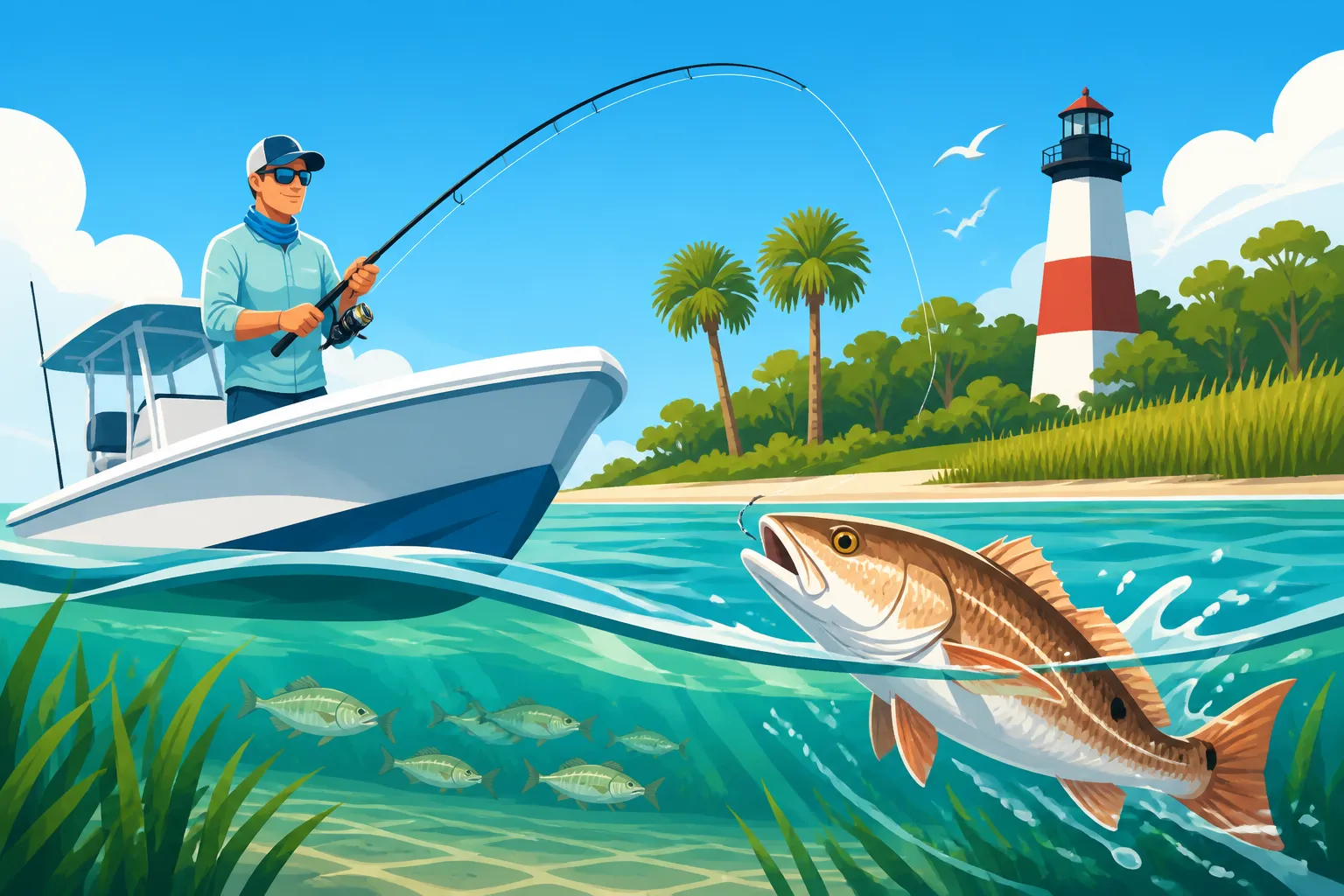
Let's clarify what we mean by "inshore" because it's a term that sometimes gets mixed up with other types of fishing. Inshore fishing specifically refers to fishing in the protected waters of sounds, bays, tidal creeks, estuaries, and rivers – basically, anywhere within sight of land, and often with minimal ocean swell. Around Hilton Head, this means the vast network of saltwater marsh creeks, the Calibogue Sound, and the protected waters behind the barrier islands. These areas are characterized by shallower depths, strong tidal currents, and often abundant baitfish, which attract predators.
In contrast, "nearshore" fishing typically occurs just beyond the sounds, in the open ocean but still relatively close to the coast, usually within a few miles of land. Think artificial reefs, wrecks, and ledges in waters perhaps 30 to 60 feet deep. Species caught here might include smaller snapper, grouper, or king mackerel. Then there's "offshore" fishing, which takes you far out into the open ocean, often 20 to 100 miles or more, targeting pelagic species like tuna, marlin, wahoo, and mahi-mahi in much deeper water. For many anglers, the charm of inshore fishing lies in its accessibility, the variety of species, and the typically smoother ride compared to the open ocean.
The Ecosystems and Fish Species You'll Encounter Inshore
Hilton Head's inshore waters are a vibrant tapestry of interconnected ecosystems, dominated by expansive salt marshes. These marshes act as nurseries for countless marine species, providing food, shelter, and breeding grounds. The intricate network of tidal creeks, oyster beds, and mudflats supports a rich food chain, from microscopic organisms to large predatory fish. This abundance is what makes inshore fishing so rewarding.
You'll find a fantastic array of fish here. The undisputed king of the Lowcountry inshore scene is the redfish, also known as red drum or spottail bass. These powerful fighters love rooting around in the grass and oyster beds. Then there's the spotted seatrout, a beautiful and tasty fish that often hangs out in the same areas, especially around grass lines and shell rakes. You'll also encounter flounder, masters of camouflage that lie in wait on the bottom, ready to ambush unsuspecting baitfish. Beyond these "big three," expect to find sheepshead around pilings and structure, black drum, and various other panfish and bait species that contribute to the lively ecosystem. Understanding these habitats helps you appreciate why certain techniques and spots are so effective. You might even hear your captain mention specific areas like the "Flounder Hole" or a "Redfish flat" during your Hilton Head Island Fishing Charters, South Carolina trip.
Why Inshore Fishing is Perfect for Many Anglers
There are so many reasons why inshore fishing is a phenomenal choice, whether you're a seasoned pro or bringing the whole family along. First off, the calm waters are a huge plus. If anyone in your group is prone to seasickness, an inshore trip will be far more comfortable than heading out into the choppier ocean. The sheltered creeks and sounds offer a smooth ride, allowing everyone to focus on the fishing and enjoy the scenery without feeling queasy.
Secondly, inshore charters often offer a higher chance of consistent action. The target species like redfish and seatrout are generally plentiful, and a good captain knows their habits, increasing your odds of getting bites. This constant engagement is fantastic for kids or beginners who might lose interest if the fishing is slow. Plus, the scenic beauty of the Lowcountry marshlands, with their teeming wildlife and stunning sunsets, provides an unforgettable backdrop to your angling adventure. It’s a truly immersive experience that goes beyond just catching fish, offering a glimpse into the natural heart of South Carolina.
Choosing the Right Inshore Charter for Your Hilton Head Adventure
So, you're convinced inshore fishing is the way to go! Now comes the fun part: picking the perfect charter. This isn't just about finding any boat with a captain; it's about matching the experience to your expectations, budget, and group's needs. A little homework upfront can make all the difference between a good trip and a truly memorable one. Many people start their search using online platforms like FishingBooker, which can help compare different options and read reviews.
Half-Day vs. Full-Day: Matching Trip Length to Your Group
One of the first decisions you'll face is how long you want to be on the water. Inshore charters typically offer half-day (usually 3-4 hours) or full-day (6-8 hours) options. Each has its distinct advantages, and the best choice really depends on your group.
Half-day trips are incredibly popular, especially for families with young children, beginners, or those simply looking for a taste of fishing without committing an entire day. They are generally less expensive and provide ample time to catch a variety of fish and enjoy the scenery. The pace is often a bit quicker, moving between spots to maximize fishing time. However, if the bite is slow or you're targeting a specific species that requires more travel, a half-day might feel a bit rushed. For more details, check out Half-Day vs Full-Day Fishing Charters in South Carolina.
Full-day charters, on the other hand, offer a more immersive and relaxed experience. With more time, captains can venture further into the marsh, explore more remote spots, or dedicate time to targeting specific trophy fish. This extra time allows for flexibility if conditions change, or if one spot isn't producing, giving you more opportunities to find active fish. While they are a larger investment in both time and money, a full-day trip often yields a greater variety and quantity of fish, and provides a deeper connection to the fishing experience. If you're serious about your angling or want to make the most of your time on the water, a full-day is usually the way to go.
Private vs. Shared Charters: Considering Cost and Experience
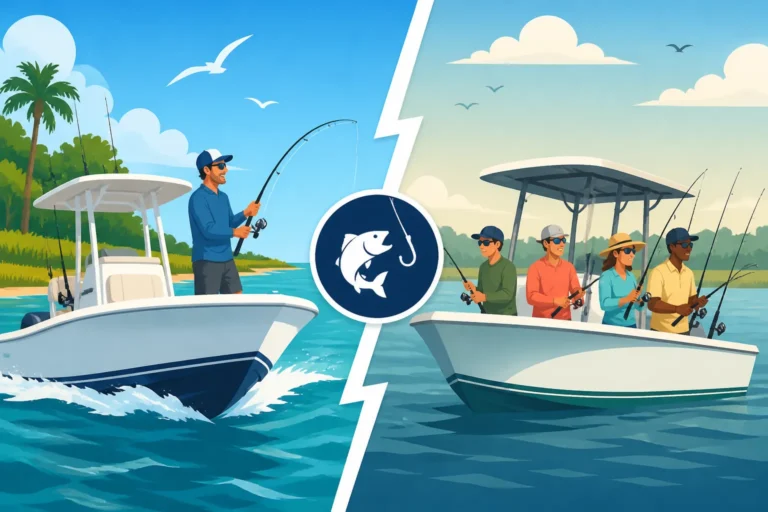
Another crucial decision is whether you want a private charter or a shared (headboat) experience. These two options offer very different dynamics and price points.
A private charter means you and your group have the entire boat and captain to yourselves. This offers unparalleled flexibility: you can dictate the start time (within reason), choose the target species, spend more time at a productive spot, or move on if the action slows. The captain's attention is entirely on your group, providing personalized instruction and catering to your preferences. This is ideal for families, groups of friends, or serious anglers who want a tailored experience. Naturally, private charters come with a higher upfront cost, as you're covering the entire boat's expense. However, when split among a group, the per-person cost can become quite reasonable. For more on this, you might find Private vs Shared Fishing Charters in South Carolina helpful.
Shared charters, sometimes called "headboats" or "party boats," are less common for dedicated inshore trips but do exist, often combining fishing with sightseeing. On a shared trip, you pay a per-person fee and fish alongside other anglers who are not part of your group. These are typically the most budget-friendly option and can be a great way to get on the water if you're a solo angler or a small couple. The downside is less flexibility; the captain has to cater to the whole group, and you might not get as much personalized attention. The species targeted are usually more general, and the schedule is fixed. For most inshore experiences, a private charter is often preferred to maximize the focused fishing experience.
Key Factors to Consider When Selecting a Captain and Boat
Choosing the right captain and boat is paramount to a successful and enjoyable inshore fishing charter. Beyond just availability, there are several key factors to weigh. First, consider the captain's experience and reputation. Look for captains who specialize in inshore fishing around Hilton Head and have a deep understanding of the local tides, currents, and fish behavior. Online reviews on platforms like FishingBooker are invaluable here, offering insights into other anglers' experiences. You want someone who is knowledgeable, patient, good with kids, and dedicated to making your trip a success.
Next, evaluate the boat itself. For inshore fishing, you'll typically be on a smaller, shallower-draft boat, like a center console or bay boat, designed to navigate the skinny waters of the marsh. Ensure the boat is well-maintained, clean, and equipped with all necessary safety gear, including life jackets for all passengers. Ask about the type of fishing gear provided – reputable charters will have high-quality rods, reels, and tackle suitable for the target species. Don't hesitate to ask questions about their licensing, insurance, and what's included in the trip price when you're making inquiries. A good captain will be transparent and happy to answer all your concerns, making you feel confident in your choice.
What to Expect on an Inshore Fishing Charter from Hilton Head
Once you've booked your inshore charter, it's natural to wonder about the specifics of the trip itself. While every captain has their unique style, there are some common elements you can generally expect. From the gear to the techniques, knowing what's coming can help you relax and fully enjoy your time on the water.
Gear, Bait, and Licensing: What's Provided and What You Need
One of the greatest conveniences of booking a fishing charter is that most of the heavy lifting regarding gear and licensing is handled for you. Typically, your Hilton Head inshore fishing charter will provide all the necessary fishing rods, reels, tackle, and bait. This means you don't have to worry about buying expensive equipment or figuring out what kind of lures redfish or spotted seatrout are biting on that day. The captain will have fresh bait, whether it's live shrimp, mud minnows, or cut bait, and a selection of artificial lures tailored to current conditions. For peace of mind, it's always good to confirm this directly when you book, but it's standard practice. Does a Hilton Head Charter Include Fishing Gear? is a common question, and the answer is almost always yes.
Regarding fishing licenses, this is another huge perk of charter fishing. In South Carolina, passengers on a licensed charter boat are generally covered under the captain's commercial fishing license. This means you typically don't need to purchase an individual South Carolina fishing license for the duration of your trip. However, always double-check with your specific charter captain to confirm their policy, as regulations can sometimes have nuances. Beyond the fishing essentials, you should plan to bring personal items like sunscreen, sunglasses, a hat, appropriate clothing (layers are often best), and any snacks or drinks you might want. A cooler with ice for your provisions is also a good idea.
Common Inshore Fishing Techniques and Strategies
Inshore fishing is incredibly diverse, and your captain will employ various techniques depending on the tides, time of year, and target species. One of the most common methods is bottom fishing or drift fishing with live bait. The captain will position the boat near oyster beds, submerged structure, or along marsh grass lines where fish are known to feed. You'll use light to medium tackle, often with a simple hook and sinker rig, allowing the bait to sit on the bottom or drift naturally with the current. This is a very effective technique for redfish, flounder, and black drum.
Another popular technique involves casting artificial lures, such as soft plastics rigged on jig heads, spinnerbaits, or topwater plugs. This is a more active style of fishing, requiring repetitive casting and retrieving, often aimed at visible structure or "nervous water" where baitfish are being harassed. Your captain will guide you on proper casting techniques and retrieval speeds. For species like spotted seatrout, a popping cork rig with live shrimp or an artificial lure can be incredibly effective, creating an enticing "pop" on the surface that draws their attention. Don't be shy about asking your captain for tips; they are there to help you learn and succeed!
Catch and Release vs. Keeping Your Catch (and What Happens Next)
The decision to keep your catch or practice catch and release is often a personal one, but it's also heavily influenced by South Carolina's fishing regulations, particularly bag and size limits. Reputable charter captains are well-versed in these rules and will ensure that all fish kept are legal. For example, redfish have a strict slot limit, meaning they must be within a specific size range to be kept, and there are daily bag limits per person and even per vessel. Redfish Slot Limit on Hilton Head Charter Trips is a critical piece of information that your captain will be very aware of. Spotted seatrout also have minimum size and daily bag limits.
If you do choose to keep your legal catch, most charter captains will clean and fillet your fish for you back at the dock, often including this service in the trip price. This is a fantastic bonus, as you get to take home fresh, delicious seafood ready for the grill or frying pan. If you prefer to release your fish, many captains are ardent conservationists and will instruct you on proper handling techniques to ensure the fish's survival. They'll emphasize minimizing air exposure and using de-hooking tools to release fish quickly and gently. Whether you plan to keep or release, it's always a good idea to discuss your preferences with your captain beforehand, as some charters might promote catch-and-release more heavily than others.
Top Inshore Fish Species to Target Near Hilton Head
Hilton Head's inshore waters are a treasure trove of exciting game fish, each offering a unique challenge and rewarding experience. Understanding what you're likely to encounter can help you get even more excited for your trip and appreciate the rich biodiversity of the Lowcountry. These are the stars of the inshore show, the fish that draw anglers from near and far to our beautiful coastal waters.
Redfish: The Lowcountry's Prized Inshore Fighter
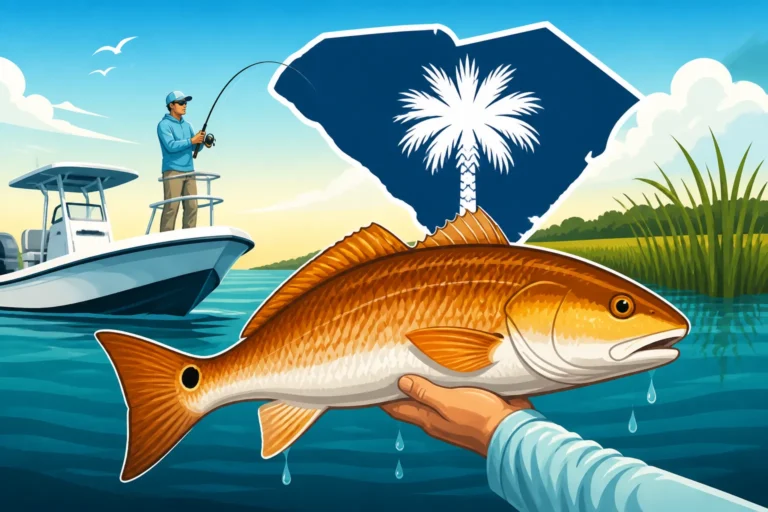
Ah, the redfish! If there's one fish synonymous with Hilton Head inshore fishing, it's the red drum. These powerful, copper-colored fighters are incredibly popular for a good reason – they pull hard, hit aggressively, and are found in abundance throughout the marsh creeks and flats. Redfish are omnivores, rooting around for crabs, shrimp, and small baitfish, often "tailing" in shallow water with their tails breaking the surface as they feed. This makes them a prime target for sight-fishing on flood tides.
Captains often target redfish around oyster beds, Spartina grass lines, and creek mouths. They're strong fighters, capable of long runs and deep dives, providing an exhilarating battle on light tackle. When fishing for redfish, you'll often use live or cut bait, or cast artificial lures like soft plastic paddletails or weedless spoons. Remember, South Carolina has strict regulations for redfish, including a slot limit (meaning they must be between a minimum and maximum size) and a bag limit. Your captain will ensure compliance, and often, the focus is on catching slot-size fish for the table or releasing larger "bull reds" to fight another day.
Spotted Seatrout: A Delicious and Abundant Target
Close on the heels of the redfish in popularity is the spotted seatrout, often just called "specks" by locals. These sleek, silvery fish with distinct black spots along their backs are not only fun to catch but also incredibly delicious. Seatrout are ambush predators, often found lurking near grass beds, shell rakes, and submerged structure, waiting to dart out and snatch baitfish or shrimp. They tend to school, so when you find one, you've often found several!
Fishing for spotted seatrout often involves using live shrimp under a popping cork, which mimics the sound of shrimp flicking on the surface and drives the trout crazy. Artificial lures like soft plastic jerkbaits or grubs rigged on a jig head are also highly effective. While they don't fight with the brute force of a redfish, their aggressive strikes and acrobatic jumps make them a thrilling target. Like redfish, South Carolina Spotted Seatrout Daily Bag Limit of 10 Fish is in place, as are minimum size requirements. Your charter captain will guide you through these rules, ensuring a legal and enjoyable experience. Many charters specialize in South Carolina Speckled Trout Charter Trips for those keen on catching this particular species.
Flounder and Other Exciting Inshore Catches
Beyond the redfish and spotted seatrout, the Hilton Head inshore waters offer a host of other exciting species. Flounder are a unique and sought-after target. These masters of camouflage lie perfectly flat and buried in the sandy or muddy bottom, with both eyes on one side of their head, waiting for unsuspecting prey. When they strike, it's a sudden, powerful ambush. Catching a flounder requires a keen eye and often a patient, slow retrieve with live bait (like a mud minnow) or a jig tipped with bait, dragging it along the bottom. They are incredibly good to eat, making them a prized catch. You can even find Flounder Fishing Charters in South Carolina specifically designed to target these flatfish.
You might also encounter black drum, which resemble redfish but have chin barbels and often a striped pattern when young. Sheepshead, with their human-like teeth, are another common sight around docks, pilings, and oyster reefs, known for being tricky to hook but excellent table fare. Various species of croaker, spot, and even small sharks can also make an appearance, adding to the excitement and diversity of your inshore fishing adventure. Each species brings its own challenge and charm, ensuring there's never a dull moment on a Hilton Head inshore charter.
Navigating Costs and Booking Your Hilton Head Inshore Charter
Understanding the financial aspects and the booking process is key to a smooth and stress-free fishing trip. Charter fishing is an investment in an experience, and knowing what you're paying for and how to secure your spot can prevent any surprises.
Understanding the Price Structure of Inshore Charters
The cost of an inshore fishing charter near Hilton Head can vary significantly based on several factors, including the duration of the trip (half-day vs. full-day), the size of the boat and group, and the captain's experience and reputation. Generally, you'll find that charter prices are quoted for the entire boat, not per person, up to a certain maximum number of passengers (usually 2-6 people, depending on the boat).
| Trip Type | Duration (Approx.) | Typical Focus | Best For | Cost Consideration |
|---|---|---|---|---|
| Half-Day Inshore | 3-4 hours | Quick action, introduction to fishing | Families with kids, beginners, those prone to seasickness, shorter time commitments | Lower upfront cost, less time on water |
| Full-Day Inshore | 6-8 hours | Deeper exploration, target specific species, more relaxed pace | Serious anglers, groups wanting more fishing time, varied techniques | Higher upfront cost, maximum time on water, potentially more fish |
Keep in mind that while a charter might seem like a significant expense upfront, it includes the boat, captain's expertise, fuel, all fishing gear, bait, and often the cleaning of your catch. When you break it down, especially if split among a group, it offers tremendous value compared to buying or renting all the equipment yourself, maintaining a boat, and possessing the local knowledge of a seasoned captain. Always check with individual charters for their current pricing structures, as these can fluctuate based on demand and seasonality.
The Booking Process and Essential Questions to Ask
Booking an inshore fishing charter is typically a straightforward process, but a few key steps and questions can ensure you find the perfect match. Many anglers start by searching online platforms like FishingBooker, which allows you to browse various charters, compare prices, see boat details, and read reviews from previous customers. Once you've identified a few potential captains or services, the next step is to reach out directly.
When contacting a charter, whether by phone or email, be prepared with a few essential questions:
- Availability: Confirm your desired date and time.
- Pricing: Double-check the total cost for your group size and trip duration, and inquire about any additional fees (e.g., fuel surcharges, cleaning fees).
- Inclusions: Ask specifically what's included (gear, bait, ice, water, snacks, fish cleaning, licensing). What's Included in a South Carolina Charter Fishing Trip is a common concern.
- Species: Discuss what fish are biting best during your desired timeframe and what species you'd like to target.
- What to Bring: Get specific recommendations for what you and your group should bring (sunscreen, food, drinks, rain gear).
- Cancellation Policy: Understand their policy for weather, captain's discretion, or if your plans change. Many charters require a deposit to secure your booking. Being clear on these details upfront will prevent any misunderstandings later. For a complete guide, consider reading How to Book a Fishing Charter in South Carolina.
Gratuity and Expectations for Your Charter Experience
Once your trip is over, and hopefully you're heading back to the dock with some great memories (and perhaps some fresh fillets!), there's one final, important consideration: gratuity for your captain and any mate. While not mandatory, tipping your fishing guide is a widely accepted practice and a way to show appreciation for their hard work, expertise, and dedication to making your trip enjoyable.
A general guideline for tipping a fishing charter captain or mate is typically 15-20% of the total trip cost. If they went above and beyond, were incredibly patient, worked tirelessly to find fish, or provided exceptional service, feel free to tip more. If the experience was subpar, you can adjust accordingly, but remember that sometimes fish just aren't biting, which is often beyond the captain's control. A good captain provides a safe, enjoyable experience regardless of the catch. Handing the tip directly to the captain at the end of the trip is usually preferred. It's a small gesture that goes a long way in acknowledging their efforts. For further insight, you can explore Tipping Your South Carolina Fishing Guide.
Disclaimer
This article is for general informational purposes only and does not constitute professional advice. Laws, prices and regulations vary by location and change over time. Consult a qualified professional for guidance on your specific situation.