How to Catch Bass After a Cold Front
There are few things more frustrating for a bass angler than waking up to a beautiful, crisp morning only to realize a brutal cold front has just swept through, effectively slamming the bite shut. We've all been there – one day the bass are aggressive and biting everything, and the next, it feels like they've vanished into thin air. This guide is all about helping you understand exactly what happens to bass after a cold front hits South Carolina waters and, more importantly, how to adjust your approach to still find success, even when the odds feel stacked against you.
Understanding the Impact of a Cold Front on Bass Behavior
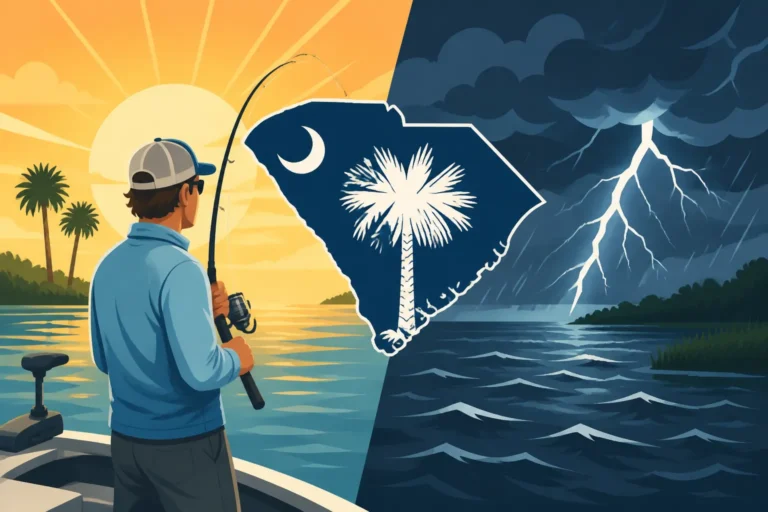
When a cold front rolls through, it’s more than just a drop in air temperature. It's a seismic shift in the bass's environment, triggering a cascade of changes that directly influence their activity and location. Many anglers feel defeated before they even cast, but truly understanding these environmental changes is the first step to turning a tough day into a triumphant one.
Barometric Pressure and Water Temperature Shifts
The most immediate and profound impact of a cold front is the rapid change in barometric pressure. Before a front, the pressure often drops, making fish more active. But after a front, the pressure spikes and becomes high and stable. This high pressure can be uncomfortable for bass, often causing their swim bladders to expand slightly, which makes them feel "full" or just generally lethargic. Imagine having a persistent, dull ache – you wouldn't be very keen on chasing down a meal either, right?
Coupled with this, a cold front often brings a significant drop in air temperature, which, especially in shallower waters, translates to a rapid decrease in water temperature. While deeper water might retain its warmth longer, shallow areas can cool off dramatically overnight. This quick chill slows down the bass's metabolism. They become less active, their digestive processes slow, and their need to feed aggressively diminishes. It's why those once-eager bass suddenly seem to ignore everything you throw at them. If you've ever wondered why fish seem to disappear, our article on How Cold Fronts Affect Fish Behavior dives even deeper into the scientific reasons behind these shifts.
Bass Movement and Location Changes
With these environmental shifts, bass don't just stop biting; they physically relocate. Their primary instinct becomes seeking comfort and stability. This often means moving from shallow feeding grounds, where they were actively chasing baitfish or gorging on crawfish, to deeper, more stable water. They're looking for areas where the water temperature is more consistent and the high barometric pressure feels less oppressive.
Think about it like this: if you're feeling unwell, you want to curl up in a warm, quiet spot. Bass are no different. They'll often move to the nearest deep cover – submerged brush piles, ledges, creek channels, or even the deep side of boat docks. Sometimes they'll "suspend" in the water column over deeper areas, just hanging out, expending as little energy as possible. This makes them incredibly hard to target because they're not actively feeding or holding tight to structure in a predictable way. You might find fewer fish, but the ones you do find will be tucked away, requiring a precise and patient approach.
Strategic Adjustments: Where to Find Post-Front Bass
Now that we know why bass behave differently, the next step is figuring out where they've gone. It's not about giving up on your favorite spot; it's about expanding your understanding of how that spot might change after a cold front. Often, the fish are still in the general vicinity, just in a different ZIP code within the same neighborhood.
Targeting Deeper Structure and Drop-Offs
When bass retreat from the shallows, they head straight for deeper, more stable water. This means focusing your efforts on prominent underwater structures that offer both depth and some form of cover. Look for steep drop-offs, ledges, humps, and especially the deep edges of creek and river channels. These areas provide a thermal refuge where water temperatures fluctuate less dramatically.
On a lake like Lake Murray, for instance, those deep humps and underwater points that hold schooling stripers can also be magnets for bass seeking deeper comfort. For Lake Hartwell anglers, searching the submerged timber along old creek beds on the Tugaloo River Arm can be incredibly productive. When you find these deep structures, the bass won't necessarily be spread out. Instead, they'll often be tightly bunched, almost glued to any cover they can find – a single stump, a rock pile, or a brush heap. Our article on How to Fish Deep Structure for Bass in Summer, while focusing on a different season, offers excellent techniques for probing these deeper areas, which become vital after a cold front. Remember, it’s not about covering water quickly; it’s about slow, meticulous presentations to lethargic fish.
Focusing on Cover and Areas Retaining Warmth
While deeper water is a prime target, don't completely abandon shallower areas. Some shallow spots can actually hold bass, especially those that retain warmth or offer dense cover. Look for dark-bottomed areas that absorb sunlight, like shallow flats with dark mud or rock. These spots can warm up a degree or two quicker on a sunny post-front day, drawing in sluggish bass looking for a slight temperature increase.
Dense cover is also crucial. Docks, especially those with dark undersides or deep pilings, can provide both shade and cover. Laydowns, cypress trees, and thick submerged vegetation also offer sanctuary. On a bluebird sky day after a cold front, bass will often bury themselves deep within the thickest cover available, using it as a shield from both predators and the bright sunlight. You'll need to use precise casts and tough gear to get your lure into these tight spots. Think about casting a jig right under a pontoon boat or pitching a Texas-rigged worm into the thickest part of a laydown. The bites will be subtle, often just a slight "tick" or a feeling of weight, but these hidden gems can hold some of the biggest bass.
Lure and Presentation Choices for Finicky Bass
This is where many anglers struggle after a cold front. The flashy, fast-moving baits that worked yesterday just don't cut it anymore. Post-front bass are rarely aggressive; they're looking for an easy meal, and they need to be tempted. Your lure selection and, more importantly, your presentation need to reflect their lethargic state.
Slow and Subtle is Key
Forget power fishing and fast retrieves. After a cold front, bass want something that's practically handed to them. Your retrieves need to be agonizingly slow, almost painfully so. This gives the bass ample time to approach, inspect, and finally commit to the bait without expending much energy. Think of it like a slow-motion dance. The more natural and effortless your lure appears, the better your chances.
Small changes in your retrieve can make a huge difference. Instead of a steady crank, try pausing your bait for several seconds, letting it sit motionless on the bottom or suspend in the water column. A slight twitch, then another long pause, often triggers a reaction strike from an otherwise uninterested bass. The key is to convey a sense of vulnerability and ease, making the bait irresistible even to a sluggish fish. This patient approach is a cornerstone of effective Bass Fishing Techniques After a Cold Front.
Bottom-Oriented Baits and Finesse Rigs
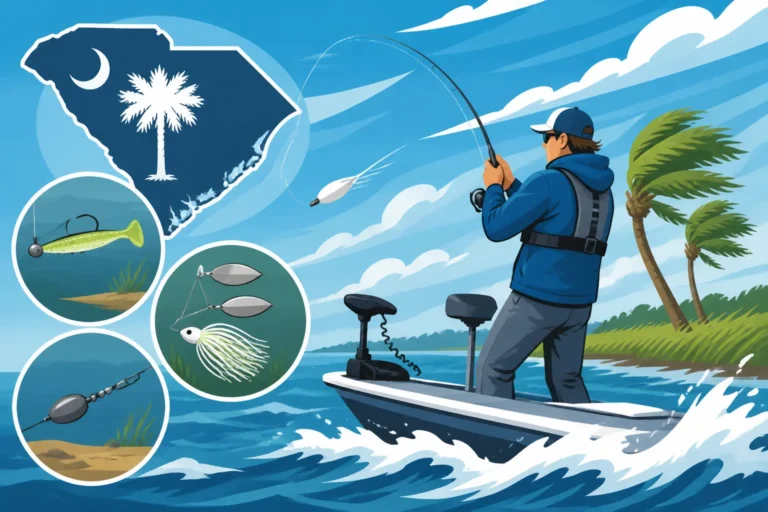
Given that bass are often sulking on the bottom or tight to cover, bottom-oriented baits become your best friend. Jigs, especially football jigs or finesse jigs, are excellent. Tip them with a small craw or creature bait and drag them slowly along the bottom, feeling for every rock, stump, or shell bed. The slow, methodical movement mimics a crawfish or an injured baitfish trying to hide.
Texas-rigged worms or creature baits are another staple. They're weedless, allowing you to probe heavy cover without getting snagged, and they present a natural profile that bass find hard to resist. Learning How to Fish a Texas-Rig Worm for Bass effectively is a skill that pays dividends, especially in tough conditions. For even more finesse, consider shaky heads, drop-shot rigs, or Ned rigs. These tiny presentations, often paired with smaller soft plastics, are designed to catch fish when nothing else will. Brands like Zoom and Strike King offer a wide variety of soft plastics perfect for these techniques, and you can often find a great selection of these on Amazon. The key is small, subtle, and slow. If you think you're going slow enough, slow down even more.
Table: Pre- vs. Post-Front Bass Tactics
To help visualize the shift in approach, here's a quick comparison of common tactics before and after a cold front:
| Tactic Category | Pre-Cold Front (Active Bass) | Post-Cold Front (Lethargic Bass) |
|---|---|---|
| Location | Shallow flats, points, cover, schooling | Deeper channels, ledges, dense cover, docks |
| Water Depth | 2-10 feet | 10-30+ feet, often suspended over deep water |
| Lure Type | Crankbaits, spinnerbaits, topwater, chatterbaits | Jigs, Texas-rigs, drop-shots, Ned rigs, shaky heads |
| Lure Size | Medium to large | Small to medium (finesse) |
| Retrieve Speed | Fast, erratic, aggressive | Extremely slow, methodical, long pauses |
| Color Choice | Match hatch, brighter colors | Natural, darker, muted tones (green pumpkin, black/blue) |
| Line Weight | Heavier braid/fluoro (15-20lb+) | Lighter fluorocarbon (6-12lb) |
| Time of Day | Morning, evening, overcast | Mid-day (sun highest), afternoon |
| Patience Level | Moderate to high | Very high – expect fewer bites |
Practical Tips and Gear Considerations
Catching bass after a cold front isn't just about lures and locations; it's about your entire mindset and preparation. It demands patience, persistence, and the right tools for the job.
Timing Your Attack and Maximizing Sunny Spells
One of the best pieces of advice for post-front bass fishing is to avoid the earliest hours of the morning, especially if the air temperature is still quite chilly. The water will be at its coldest, and the bass will be at their most sluggish. Instead, aim for the mid-day hours, typically from 10 AM to 3 PM, when the sun is highest in the sky.
A bright, sunny day after a cold front might feel counterintuitive, but those direct sun rays can penetrate shallow, dark-bottomed areas and gradually warm the water by a degree or two. This subtle temperature bump can be enough to slightly increase the metabolism of a lethargic bass, making them more inclined to move and feed. You might find them positioned on the sunny side of docks, warming themselves. Pay close attention to any areas that receive prolonged sun exposure, as these can be temporary hot zones. For a broader look at how the year unfolds, our South Carolina Freshwater Fishing Calendar can help you plan your trips.
Patience, Persistence, and Subtle Bites
Let's be realistic: you're likely not going to have a banner day catching dozens of bass. Post-front fishing is about grinding it out, picking up one or two quality fish, or perhaps cracking a pattern that produces a few more. Patience is not just a virtue here; it's an absolute necessity. Make dozens of casts to the same piece of cover, trying different angles and presentations. Remember, these fish are not actively chasing.
The bites themselves will often be incredibly subtle. Forget that aggressive thump you feel on a spinnerbait. After a cold front, a bite might feel like a spongy weight, a slight "tick," or your line just feeling heavy as you drag a jig. You might even feel nothing at all, only noticing your line moving sideways slightly. Pay extreme attention to your line, watching for any unnatural movement. Use sensitive rods (medium-heavy with a fast tip is ideal) and fluorocarbon line, which offers minimal stretch and excellent sensitivity. Don't be afraid to set the hook on anything that feels "different" – it could be the trophy bass you've been searching for. Sometimes the key isn't a new lure but just understanding the subtle signals, a principle explored in our guide to Best Techniques for Post-Front Fishing.
Essential Cold-Weather Gear and Preparation
When a cold front hits, the air can be quite chilly, even if the sun is out. Being comfortable on the water is paramount to staying focused and persistent. Layering your clothing is always a good idea. Start with a moisture-wicking base layer, add insulating layers like fleece, and top it with a waterproof and windproof outer shell. A good quality pair of fishing gloves can make a huge difference in keeping your hands warm and sensitive enough to feel those light bites. You can find excellent options for insulated and waterproof fishing gloves on Amazon, helping you stay out longer when the weather turns.
Don't forget warm headwear, like a beanie or a neck gaiter, as a lot of body heat escapes from your head and neck. Hot drinks in a thermos can also provide a much-needed boost of warmth and morale. Being prepared for the elements allows you to concentrate on the fishing, not on shivering. The battle against a cold front starts long before you make your first cast, both in strategy and in personal comfort. It's truly a test of will and preparedness, but with the right mindset and a few adjustments, you can still find success.
Disclaimer
Fishing regulations and conditions in South Carolina can change. Always check the latest guidelines from the South Carolina Department of Natural Resources (SCDNR) before heading out on the water. This guide is for informational purposes only and does not constitute legal advice.