Fly Fishing Techniques for Stocked Trout
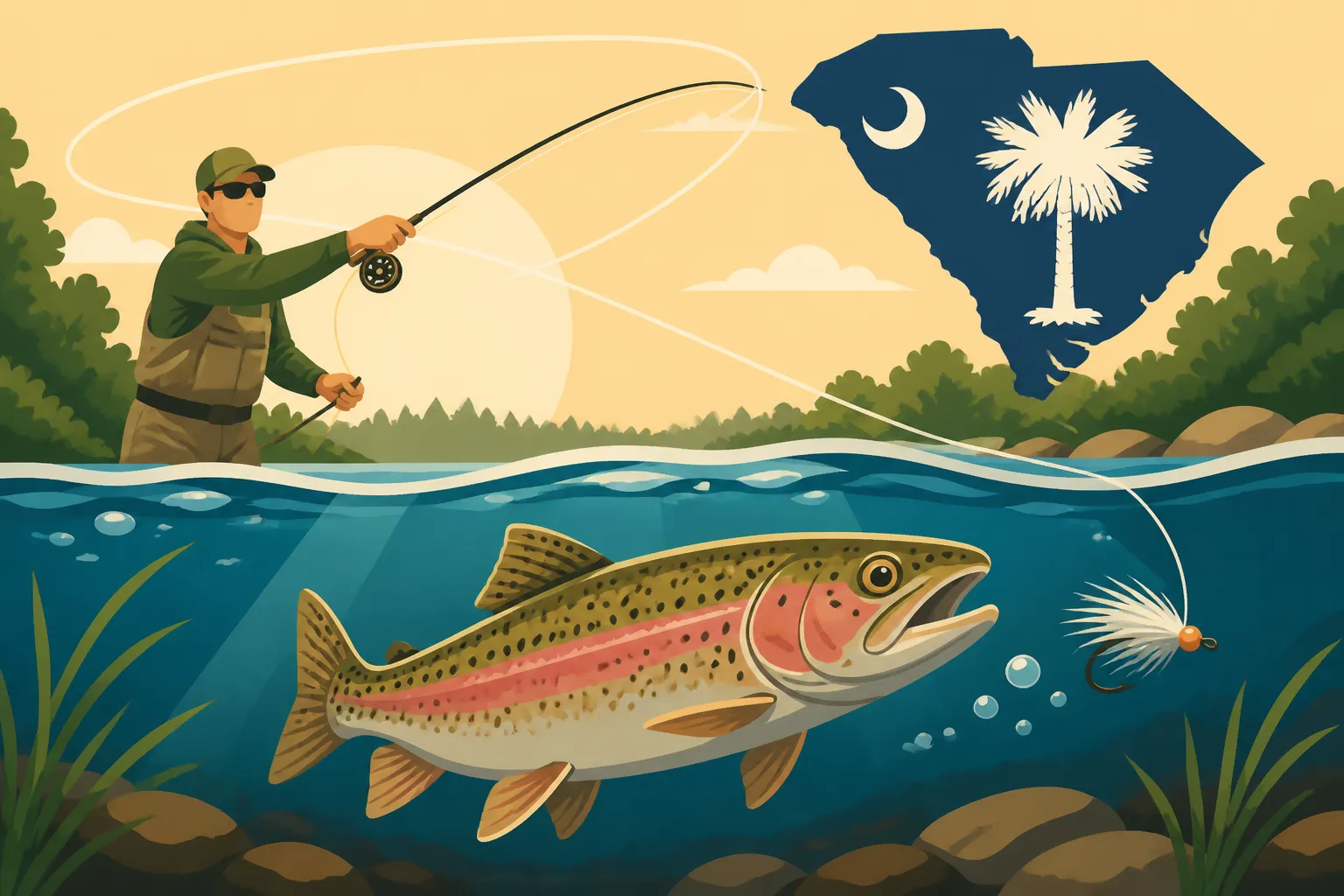
There's nothing quite like the crisp mountain air and the gentle ripple of a stream as you cast a fly, but let's be honest, trying to trick a freshly stocked trout can sometimes feel like a whole different ballgame than pursuing wild fish. Many anglers, especially those new to fly fishing, find themselves frustrated when the techniques they learned for native trout just don't seem to cut it for these hatchery-raised beauties. This guide is here to unravel the mysteries of fly fishing for stocked trout in South Carolina, offering practical techniques and insights to turn those frustrating outings into successful, enjoyable adventures.
Understanding South Carolina's Stocked Trout Fishery
South Carolina might be known for its stunning coastline and abundant saltwater species, but up in the Blue Ridge Mountains, we have a vibrant and accessible trout fishery thanks to a diligent stocking program. Understanding the unique characteristics of these stocked fish and the places they call home (at least temporarily) is your first step toward consistent success.
The Nature of Stocked Trout and Their Habits
Stocked trout, typically Rainbow, Brown, and Brook trout, are raised in hatcheries before being released into public waters. This upbringing gives them some distinct behavioral traits that differ from their wild counterparts. For one, they're often accustomed to being fed pelleted food, which can make them less wary of anglers and sometimes more opportunistic in their feeding. They often school up more tightly after stocking and tend to hold in areas with slower current or deeper pools where they feel secure. Their initial instinct isn't always to hunt for natural insects in the same way wild trout do; instead, they might key into larger, more easily identifiable food sources or simply react to movement. This can be a double-edged sword: sometimes they're incredibly easy to catch, and other times they ignore everything you throw at them, leading to those moments of utter befuddlement we all experience.
However, over time, stocked trout can "wild out," meaning they adapt to their new environment, start feeding on natural insects, and become more cautious. This transition usually happens weeks or months after stocking, and the longer they've been in the stream, the more challenging and rewarding they become to catch on flies. The key is to understand where they are in this process and adjust your approach accordingly. If you're fishing right after a stocking event, brighter, flashier flies or even bait imitations might perform better. If it's been a while, you'll need to think more like a detective, observing insect activity and precise presentations.
Key Stocking Locations and Schedules
The South Carolina Department of Natural Resources (SCDNR) manages the state's trout stocking program, focusing primarily on the Upstate's cold-water streams. These are generally found in the mountainous regions of Oconee, Pickens, and Greenville counties, where water temperatures remain cool enough to sustain trout. Popular stocking locations include sections of the Chattooga River (especially its tributaries), the Chauga River, the Eastatoe River, and various smaller creeks and designated Delayed Harvest waters.
SCDNR typically stocks trout from early fall through late spring, with the heaviest stockings occurring in the cooler months. While exact dates can vary based on conditions and fish availability, keeping an eye on the SCDNR website or local tackle shop bulletins is crucial. Knowing when and where fish have been recently released gives you a significant advantage. For instance, if you know the Chauga River was stocked last week, you can anticipate fish might still be somewhat concentrated and responsive to flies that mimic hatchery food or offer a strong visual appeal. Conversely, if it's been a month since a stocking, you'll need to approach those waters with more traditional nymphing or dry fly tactics, focusing on more subtle presentations. Understanding these stocking cycles is essential for planning your trip and selecting the right flies and techniques.
Regulations and Limits for South Carolina Trout
Before you even tie on your first fly, it's absolutely vital to understand the local regulations regarding trout fishing in South Carolina. These rules are in place to manage the fishery sustainably and ensure everyone has a fair chance to enjoy it. South Carolina has specific daily creel limits and size restrictions, and these can vary depending on the stream or even specific sections of a river. For example, some streams might have a South Carolina Stocked Trout Daily Limit of five fish, while others might be designated as "Delayed Harvest" or "Catch and Release Only" during certain periods.
Delayed Harvest (DH) sections, like parts of the Chattooga River, are particularly popular with fly anglers. These waters are stocked heavily in the fall and winter and are catch-and-release only with artificial lures (single hook only) until the following spring. This creates a fantastic opportunity for sustained catch rates and for trout to "wild out" and become more challenging. It's crucial to always Checking a Stream's Trout Limit Before You Fish It before you head out. Don't rely on old information; regulations can change. Furthermore, be aware that Which South Carolina Streams Are Catch-and-Release Only for Trout? are clearly marked, and fishing with bait or keeping fish in these areas will result in significant penalties. Staying informed about these regulations is not just about avoiding fines; it's about being a responsible angler and contributing to the health of the fishery for future generations.
Essential Fly Fishing Gear for Stocked Trout
Getting into fly fishing can feel a bit overwhelming with all the specialized gear, but for stocked trout in South Carolina, you don't need to break the bank. A few key items, well-chosen, will set you up for success. Thinking about what you'll realistically use and what suits the streams here is more important than having the most expensive setup.
Choosing the Right Rod, Reel, and Line Setup
For the typical smaller to medium-sized trout streams in South Carolina, a 7'6" to 9' fly rod in a 3-weight or 4-weight is generally ideal. A 3-weight offers a delicate presentation, perfect for smaller streams and skittish trout, while a 4-weight provides a bit more backbone for casting larger flies, handling wind, or landing a surprisingly stout fish. You don't need a super-fast action rod; a moderate-fast action will be more forgiving for beginners and versatile enough for most techniques. Many excellent beginner combos are available on platforms like Amazon, offering a rod, reel, and line already matched.
Your reel's primary job is to hold your fly line and backing, and for trout fishing, a simple, lightweight reel with a smooth drag system is perfectly sufficient. You won't be fighting huge fish that strip line consistently, but a reliable drag is good insurance. Match the reel to your rod's weight (e.g., a 3/4 weight reel for a 3- or 4-weight rod). As for fly line, a weight-forward (WF) floating line is the standard. It makes casting easier and provides excellent versatility for nymphing, dry flies, and even light streamers. For South Carolina's generally smaller, brushy streams, avoiding overly long rods (like 9.5' or 10' models) can save you a lot of headache in tight casting quarters.
Leader, Tippet, and Fly Selection Strategies
The connection between your fly line and your fly is critical. A tapered leader is essential; it transfers casting energy efficiently and allows your fly to present naturally. For most stocked trout situations, a 7.5-foot or 9-foot leader tapering down to 3X, 4X, or 5X is a good starting point. The "X" rating indicates the tippet diameter and strength – higher numbers mean thinner, lighter tippet, which is less visible to fish but also weaker.
Tippet material (fluorocarbon or monofilament) is then added to the end of your leader. Fluorocarbon is less visible underwater and sinks, making it excellent for nymphing, while monofilament floats better and is often preferred for dry flies. Carry spools of 3X, 4X, 5X, and 6X tippet. This allows you to match your tippet to the size of your fly and the clarity of the water. If you're fishing a freshly stocked stream, 3X or 4X might be fine, but for pressured or "wilded-out" fish, you'll need the stealth of 5X or even 6X.
Now for the fun part: flies! Stocked trout can be surprisingly indiscriminate, especially when newly introduced. Don't be afraid to try "junk" flies like brightly colored San Juan Worms, Squirmy Wormies, or Mop Flies, especially right after a stocking. Egg patterns are also incredibly effective. For more natural presentations, a variety of nymphs (like Walt's Worms, Hare's Ears, Pheasant Tails, and Prince Nymphs in sizes #12-18) are essential. When fish are rising to dry flies, typical attractor patterns like Royal Wulffs, Parachute Adams, and Elk Hair Caddis in sizes #14-18 are good to have. Small streamer patterns like Woolly Buggers (black, olive, brown) in sizes #8-12 can also entice aggressive strikes. Always have a good selection of these foundational patterns, readily available from retailers like Amazon or your local fly shop.
Must-Have Accessories and Safety Equipment
Beyond the core fishing tackle, a few accessories will significantly improve your day on the water and ensure your safety. A landing net with a rubber or silicone mesh is paramount for handling trout safely, minimizing harm to the fish you plan to release. This is especially important in catch-and-release areas where fish welfare is prioritized. A pair of hemostats or forceps for hook removal is another non-negotiable item, allowing you to quickly and safely unhook fish without excessive handling. Don't forget a nipper for cutting line and a desiccant (drying agent) or floatant for your dry flies.
For personal safety, particularly when fishing in cooler weather or wading in chilly mountain streams, waders and wading boots are essential. Breathable waders are comfortable year-round, while neoprene offers more warmth in winter. Make sure your wading boots have good traction, ideally with felt soles or rubber soles with studs, to navigate slippery rocks. A wading staff can also be a literal lifesaver, providing stability in swift currents or over uneven stream beds. Finally, always wear polarized sunglasses to protect your eyes and help you spot fish underwater, and a hat for sun protection. A small backpack or vest to carry your gear, water, and snacks completes your essential kit for a comfortable and productive day on South Carolina's trout streams.
Effective Fly Fishing Techniques: Nymphing for Subsurface Success
When it comes to fly fishing for stocked trout, especially in South Carolina's freestone streams, nymphing is arguably the most consistently effective technique. Most of a trout's diet consists of subsurface insects, and nymphs are designed to mimic these aquatic invertebrates. Mastering nymphing will significantly increase your catch rate.
Indicator Nymphing: Mastering the Drift
Indicator nymphing, also known as bobber nymphing, is probably the most common and easiest nymphing technique for beginners to learn, and it's incredibly effective for stocked trout. The basic idea is to suspend one or more weighted nymphs under a strike indicator (a small, buoyant float) at a specific depth. The indicator helps you detect subtle takes and keeps your flies drifting naturally with the current.
To set up, tie your leader to your fly line. Attach your strike indicator anywhere from 1.5 to 1.5 times the depth of the water you're fishing above your first fly. If the water is 3 feet deep, start with your indicator 4.5 feet up. Then, tie on your first nymph, usually a heavier "point fly," to the end of your tippet. Add a second, lighter nymph, often referred to as a "dropper fly," to a short piece of tippet (6-12 inches) tied off the bend of the point fly or with a surgeon's knot on the leader. The key to success is getting a dead drift, meaning your flies move at the exact speed of the current, free of drag from your fly line. Cast slightly upstream and across, mend your line as needed to keep the indicator drifting naturally, and watch it like a hawk. Any hesitation, twitch, or sudden disappearance of the indicator signals a take – set the hook with a swift, upstream sweep of the rod! This method is especially potent in deeper pools or runs where stocked trout often congregate after stocking.
Euro Nymphing: Direct Contact and Sensitivity
For those looking to refine their nymphing game, Euro nymphing (or contact nymphing) offers unparalleled sensitivity and control, particularly in faster, shallower water or when targeting more pressured fish. This technique eliminates the strike indicator, relying instead on a specially designed leader and the angler's keen sense of feel and vision to detect strikes.
A Euro nymphing leader is typically very long and thin, with a brightly colored "sighter" section integrated into it, which acts as your visual strike indicator. You hold your rod tip high, keeping as much fly line off the water as possible, and present weighted nymphs directly upstream or slightly quartering upstream. The goal is to maintain constant, direct contact with your flies, allowing them to tick along the bottom. You'll watch the sighter for any subtle movements – a twitch, a pause, or a slight straightening of the line – which can indicate a fish has taken your fly. But often, strikes are felt as a subtle bump or resistance through the rod. This technique demands focus and practice, but its ability to get flies deep quickly and detect the softest takes makes it incredibly effective, especially in those skinny runs where stocked trout might hold before moving to deeper water. It's a fantastic method for thoroughly working a section of river and for fishing slower, clear currents in particular.
Dead-Drifting and Strike Detection
Regardless of whether you're using an indicator or Euro nymphing, the concept of a "dead drift" is paramount. Trout, especially stocked trout that are adapting to natural food sources, are often opportunistic feeders. They expect their food to come floating naturally downstream, unhindered by drag. Drag occurs when your fly line or leader pulls your flies faster or slower than the natural current, making them look unnatural. Achieving a dead drift requires careful casting, vigilant line management, and precise mending (adjusting your fly line on the water to compensate for different current speeds).
For indicator nymphing, a good dead drift means your indicator moves smoothly without zig-zagging or pulling. Cast slightly upstream of your target, immediately make a line mend (a subtle flick of the rod tip to reposition your line without moving the flies) to counteract drag, and then track the indicator with your rod tip as it floats downstream. Repeat mends as necessary.
For Euro nymphing, a dead drift means ensuring your sighter remains slightly bowed and that you're matching the speed of the current with your rod tip. If your sighter straightens out or pulls, you have drag.
Strike detection is another critical skill. With an indicator, it's typically a visual cue. Without one, it's a combination of visual cues (sighter movement) and feel. Often, a strike feels like a subtle weight or a soft "tick" on the line. Don't hesitate; if you suspect a strike, set the hook! The more you practice, the more intuitive these subtle signals will become, allowing you to connect with more fish.
Surface Action and Aggressive Takes: Dry Flies and Streamers
While nymphing often accounts for the majority of catches for stocked trout, there are definitely times when these fish will look to the surface or chase down a larger, more enticing meal. Being prepared with dry flies and streamers can turn a slow day into an exciting one, especially as stocked trout become more accustomed to their new environment.
Matching the Hatch: Dry Fly Presentation
There's a special thrill that comes with catching a trout on a dry fly, watching it rise to sip your imitation from the surface. For stocked trout in South Carolina, this often happens during periods of active insect hatches, usually in the spring and fall when temperatures are mild, or during cooler summer mornings and evenings. While stocked trout aren't always as selective as wild fish, observing what insects are flying around or floating on the water can give you valuable clues.
Common hatches in South Carolina streams include various mayflies, caddisflies, and midges. Carrying a selection of general attractor dry flies like the Parachute Adams, Elk Hair Caddis, and Goddard Caddis (sizes #14-18) will cover many situations. If you see specific insects hatching, try to match their size and color. The key to dry fly success is a perfect, drag-free presentation. Cast your fly upstream of a rising fish or likely holding water, allowing it to float naturally over the trout. This often means landing your leader and fly delicately, making opportune mends to counteract conflicting currents. Remember to use a floating tippet or apply floatant to your monofilament tippet to keep everything riding high. The longer stocked trout have been in the river, the more likely they are to become selective to actual hatches.
Stripping Streamers for Larger Fish
If you're looking to target larger, more aggressive stocked trout, or those that have been in the water for a while and are feeding on baitfish, stripping streamers can be incredibly effective. Streamers imitate minnows, sculpins, or other larger forage fish, and their erratic movement can trigger a predatory response from trout. This technique is often overlooked for stocked trout, but it can yield some surprising results.
Woolly Buggers are the quintessential streamer and a must-have in your fly box. Carry them in black, olive, brown, and even white in sizes #8-12. Other effective patterns include sculpin imitations, Clouser Minnows, or even flashy Krystal Flash Buggers. The technique involves casting your streamer across or slightly downstream and then retrieving it with varying strips and pauses, mimicking a darting baitfish. Experiment with retrieve speeds – sometimes a slow, deliberate strip works, other times a fast, erratic retrieve is the ticket. Fish streamers in deeper pools, along undercut banks, or near submerged cover where larger trout might be ambushing prey. A moderately fast action rod in a 5-weight can make casting larger, heavier streamers much easier.
The Art of the Soft Hackle and Wet Fly
Bridging the gap between dry flies and nymphs are soft hackle flies and traditional wet flies. These patterns are designed to imitate insects that are either emerging from the bottom to the surface (soft hackles) or drowned insects drifting just beneath the surface. They offer a more subtle presentation than streamers but can still be incredibly effective when trout are keying into specific insect life cycles.
Soft hackles, often simple patterns with a sparse body and soft, mobile hackle, are typically fished just under the surface, allowed to swing in the current at the end of a drift, or retrieved with a very slow hand twist. The soft hackle pulsates and breathes in the water, mimicking an emerging insect struggling to reach the surface. Popular soft hackle patterns include the Partridge and Orange, Hare's Ear Soft Hackle, and Pheasant Tail Soft Hackle in smaller sizes (#14-18).
Traditional wet flies are often fished similarly, in a "swing" across the current, and can be deadly during a hatch when trout are feeding just below the surface. They represent drowned insects or nymphs swimming towards the surface. Both soft hackles and wet flies are excellent choices when you see trout actively feeding but aren't quite breaking the surface for dry flies, suggesting they are targeting emergers or drowned insects. Fish them on a short leader (3-5 feet) behind a dry fly, or on their own, allowing them to drift and swing naturally through likely feeding lanes.
Reading the Water and Adapting to Conditions
Successful fly fishing for stocked trout, just like for wild fish, involves more than just casting a fly. It's about understanding the water you're fishing and making smart adjustments based on what the environment tells you. Being observant and adaptable are qualities that truly separate a good angler from a great one.
Identifying Prime Lies and Feeding Lanes
One of the biggest mistakes new anglers make is casting blindly. Instead, take a few minutes to "read the water" before you even step into the stream. Look for areas that provide trout with food, cover, and a break from strong currents.
Key holding lies include:
- Seams: These are the lines where fast water meets slow water. Trout will often hold in the slower water, waiting for food to be swept down the faster current.
- Pools: Deeper pools offer security from predators and often have slower currents where trout can conserve energy. Look for deeper sections within pools, especially near the bottom.
- Riffles and Runs: These shallower, faster sections are where much of a stream's insect life originates. Trout will often position themselves at the head or tail of a riffle to intercept drifting food.
- Structure: Submerged logs, large rocks, undercut banks, and overhanging vegetation all provide cover and ambush points. Stocked trout, especially newly introduced ones, love to stack up near these features.
- Eddies and Backwaters: Areas where the current reverses or slows significantly can be prime resting and feeding spots.
For stocked trout, especially right after a stocking, they might be less discerning about complex currents and simply stack up in the deepest, most accessible pools. Over time, as they become more wary, they'll seek out more natural holding lies. Remember that How to Read a Trout Stream for Beginners is a skill that develops with practice, so pay attention to where you get bites, and where you see fish moving.
Approaching the Water with Stealth
Trout have excellent vision, and they are highly sensitive to vibrations in the water. One false step, and you can spook an entire pool of fish, ruining your chances before you even make a cast. This is why stealth is paramount, particularly on smaller, clearer streams found in South Carolina.
Always approach the stream from downstream, moving slowly and quietly. Avoid casting a shadow over the water you intend to fish. If possible, kneel or crouch low to minimize your profile. Wear drab, natural colors that blend with the surroundings – bright colors can be easily spotted by wary fish. When wading, shuffle your feet rather than stomping, and avoid kicking rocks. If you need to cross the stream, do so carefully and away from prime fishing areas. Think of yourself as a predator, observing without being seen. On particularly clear days or in low-water conditions, even a slight disturbance can send fish darting for cover, putting them off the bite for a good while. This disciplined approach will pay dividends, allowing you to get closer to the fish and present your fly more effectively without alarming them.
Seasonal Adjustments and Weather Factors
The time of year and prevailing weather conditions significantly impact trout behavior and, consequently, your fly fishing approach. Stocked trout in South Carolina are primarily found in streams that maintain cold water, which means the seasons dictate their comfort and feeding patterns.
- Spring: This is often a fantastic time for stocked trout. Water temperatures are rising, stimulating insect activity, and stocking events are usually frequent. Fish are often aggressive. Nymphing is strong, but dry fly opportunities can increase with hatches. After a cold front, however, fish might become lethargic and require very slow presentations or deeper nymphing.
- Summer: Summer can be challenging as water temperatures rise, pushing trout into colder, more oxygenated pockets. Focus on fishing early mornings, late evenings, or after significant rain events that cool the water. Deeper pools, shaded areas, and stream convergences are prime. Nymphing remains effective, and sometimes terrestrial patterns (like grasshoppers or ants) become viable dry fly options.
- Fall: Another prime season. Cooling water temperatures re-energize trout, and stockings often resume or intensify. Fish are actively feeding to put on weight. Nymphing is consistently good, and hatches can provide excellent dry fly opportunities. Streamer fishing can also be productive as trout become more aggressive.
- Winter: Don't write off winter! Many of South Carolina's designated trout waters are stocked throughout the colder months. Fish are often slower and hold in deeper, slower pools. They feed less actively but will still eat if the fly is presented perfectly. Slow, deep nymphing is the name of the game, with smaller, subtle patterns like midges or tiny pheasant tails. Focus on the warmest parts of the day.
Always check the weather forecast before you go, and be prepared to adapt. A rising barometer often means active fish, while a falling barometer can put them off. Being mindful of these South Carolina Stocked Trout Season Fishing Techniques and environmental cues will help you choose the right technique and increase your chances of success.
Table: Stocked Trout Fly Selection by Condition
Here’s a quick reference guide for choosing the right flies for stocked trout in South Carolina, helping you navigate different conditions you might encounter on the water.
| Condition | Preferred Fly Type | Example Patterns | Description & Tips |
|---|---|---|---|
| Newly Stocked Fish | Attractor Nymphs, Junk Flies | San Juan Worm, Squirmy Wormie, Egg Patterns, Mop Fly | Bright, high-visibility patterns. Fish these heavily, often in tandem, right after stocking. |
| Fish Not Actively Feeding | Subsurface Nymphs | Pheasant Tail, Hare's Ear, Prince Nymph, Walt's Worm | Standard imitative patterns. Dead-drift these deeply, usually with an indicator. |
| Active Surface Feed (Hatch) | Dry Flies | Parachute Adams, Elk Hair Caddis, Royal Wulff | Match size and color of natural insects. Focus on drag-free drifts. |
| Rising Fish (Emergers) | Soft Hackles, Emergers | Partridge and Orange, CDC Caddis Emerger | Fish just under the surface; allow to swing or retrieve slowly. |
| Aggressive Fish / Larger Trout | Streamers | Woolly Bugger (Olive, Black), Sculpzilla | Strip erratically to imitate baitfish. Good for targeting deeper, more predatory fish. |
| Cold Water / Winter Fishing | Small Nymphs, Midges | Zebra Midge, Blood Worm, Micro Mayfly | Fish tiny patterns on light tippet, deep and slow. |
| Stained Water / Post-Rain | Larger, Darker Nymphs/Streamers | Pat's Rubber Legs, Black Woolly Bugger | Increased visibility and vibration are key. Fish more aggressively. |
| Clear Water / Pressured Fish | Realistic Nymphs, Smaller Dry Flies | RS2, French Nymph, Trico, Adams | Finer tippet, precise presentation, and delicate flies are crucial. |
Disclaimer
The information provided in this guide is for general informational purposes only and is subject to change. Fishing regulations, stocking schedules, and local conditions can vary. Always consult the official South Carolina Department of Natural Resources (SCDNR) website or local authorities for the most current regulations and information before planning your fishing trip. Adherence to all local, state, and federal laws is the responsibility of the angler.