Congaree River Catfish Fishing Spots Near Columbia
There's nothing quite like the thrill of chasing monster catfish, but when you're staring at a massive, winding river like the Congaree right outside a bustling city like Columbia, it can feel overwhelming trying to figure out where to even start. You know the big ones are there, lurking in those deep channels, but actually finding them? That's the real challenge. This guide is all about cutting through that confusion, giving you the inside scoop on the best catfish fishing spots on the Congaree River near Columbia, along with the tips and tricks to make your next outing a success.
Understanding the Congaree River's Catfish Habitat
The Congaree River is a powerhouse, a beautiful, sprawling waterway formed by the confluence of the Broad and Saluda rivers just upstream of Columbia. This unique geological setup creates an incredibly diverse and rich habitat for catfish, but it also means understanding the river's personality is key to finding those whiskered giants. It's not just a flat stretch of water; it's a dynamic system with distinct zones that catfish absolutely love.
The Dynamics of the Congaree's Flow and Bottom Structure
Think about the sheer volume of water flowing through the Congaree, especially after a good rain or when the upstream dams on the Broad and Saluda are generating power. This constant movement sculpts the riverbed, creating a mosaic of environments. You'll find everything from swift-moving main channels to slow, swirling eddies, and these varying flows are precisely what dictate where catfish hang out.
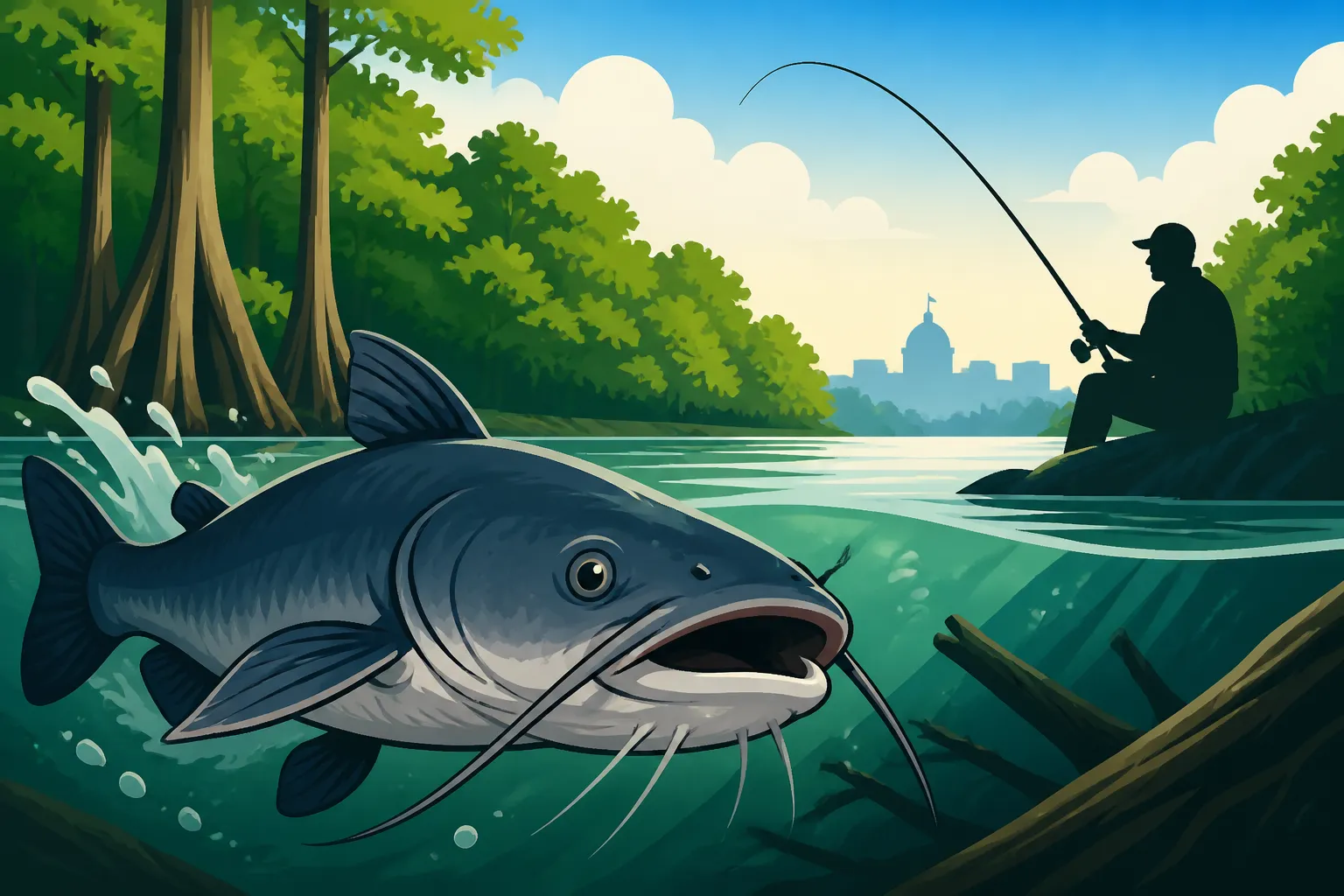
Blue catfish, for instance, are big fans of current. They'll position themselves just out of the strongest flow, in a current seam or behind a submerged obstruction, waiting for food to be swept past them. Flatheads, on the other hand, are ambush predators, often preferring the slack water in deep holes or around massive logjams where they can hide and surprise their prey. Channel catfish are a bit more adaptable, found in a wider range of habitats, from moderate current to slower pools.
The bottom structure is equally important. The Congaree features a mix of sandy stretches, rocky bottoms, and, crucially, a lot of submerged timber. These fallen trees and brush piles are catfish magnets, providing cover, shade, and a place for their prey to hide. Understanding where these features are — often through trial and error, or by using a good fish finder if you're in a boat — will dramatically increase your chances of success. It’s like these fish have their own favorite neighborhoods, and if you know what kind of house they prefer, you’re halfway there.
Key Forage and Environmental Factors
Catfish aren't picky eaters, but understanding their primary food sources on the Congaree can help you choose the right bait and target the right areas. The river is teeming with forage, from various species of shad and sunfish to mussels, crayfish, and even smaller game fish. Blue catfish and Channel catfish are primarily scavengers and opportunistic feeders, happily munching on dead bait or anything that smells appealing. Flatheads, however, are predatory carnivores, much preferring live bait.
Environmental factors like water temperature and oxygen levels play a huge role in catfish activity. In warmer months, catfish are generally more active, feeding more frequently, especially during low-light hours. As the water cools in fall and winter, their metabolism slows, and they tend to congregate in deeper, more stable thermal refuges, becoming less active but still catchable if you present your bait slowly and precisely.
Heavy rains can also temporarily affect fishing. While a slight rise in water might bring more forage into the main channel and stir up the bottom, making catfish more active, an extreme flood can make the water muddy and displace fish, making them harder to locate. It’s a constant balancing act with nature, and seasoned anglers know that adapting to these conditions is part of the fun.
Prime Catfish Fishing Locations Near Columbia
When it comes to the Congaree River near Columbia, you've got options, whether you're a bank angler, a kayaker, or have a full-sized boat. Each access point offers a slightly different experience and opportunities for targeting those big cats. The key is knowing what each spot brings to the table and planning your attack accordingly.
Popular Access Points and Their Advantages
For many, bank fishing is the easiest and most accessible way to get on the Congaree. The Congaree Riverwalk on the Columbia side and the West Columbia Riverwalk are fantastic starting points. These paved trails run alongside the river, offering numerous spots to cast a line. Along these stretches, you'll find eddies and slower pockets of water, especially where the bank creates small coves or behind larger submerged structures. These areas often hold Channel Catfish and smaller Blue Cats. The deeper holes formed by current scour near the walking paths can also be productive. Just be mindful of other users, as these are popular recreational areas.
If you have a boat or a kayak, the game changes dramatically. The Rosewood Landing boat ramp in Columbia (off Rosewood Drive) provides excellent access to the main river channel and the confluence zone where the Broad and Saluda meet. This is prime territory for bigger Blue and Flathead catfish. From here, you can motor upstream towards the bridges or downstream towards the more remote sections. The ability to move and explore different depths and structures is a huge advantage.
Another highly productive area is around the Gervais Street Bridge and Blossom Street Bridge. The bridge pilings themselves create current breaks and scour holes that are absolute magnets for catfish. Fish often stack up here, especially larger specimens, seeking shelter from the current and waiting for food to drift by. You can fish these areas from a boat, anchoring upcurrent and drifting baits back, or even from the bank directly beneath or adjacent to the bridges, where permitted. Remember to always check local signage for any restrictions on fishing directly from or near bridge structures. This area is often highlighted on platforms like FishingBooker as a hotspot for local guides.
Hidden Gems and Strategic Spots for Different Species
Beyond the well-known spots, there are a few "hidden gems" and strategic areas that can yield impressive results, especially if you're after those elusive trophy Flatheads or really big Blue Cats. These often require a boat or a willingness to explore a bit more.
One of the most strategic areas is the confluence of the Broad and Saluda rivers, just upstream of where the Congaree officially begins. This energetic meeting point of two rivers creates complex current patterns, deep holes, and significant underwater structure, making it a hotspot for various species, including large catfish. Targeting the seams where the faster Broad River current meets the slower Saluda flow can be incredibly effective. Anglers often find massive Blue Catfish holding in these transition zones, gorging on baitfish swept from both rivers. Look for distinct changes in water color or current speed, as these often indicate prime feeding lanes.
Further downstream from Columbia, but still within a reasonable reach for a day trip, the river bends and oxbows become more pronounced. These areas often feature deep outside bends with undercut banks and massive logjams. This kind of cover is a Flathead catfish's paradise. They love to lie in wait in these dark, protected spots, ambushing live bait as it swims by. Accessing these requires a boat and careful navigation, as snags are abundant, but the reward can be a true river monster. When fishing these more remote areas, having a plan and checking current flow on the Congaree River Fishing Spots in South Carolina can make all the difference.
Another overlooked area can be the mouths of smaller creeks and tributaries that feed into the Congaree. These often bring in cooler, oxygenated water and a steady supply of forage, especially after rain. Catfish will often stage at these junctures, particularly during periods of lower river flow. These spots might not look like much on the surface, but they can be incredibly productive for all three species of Congaree catfish.
Here’s a quick overview of some common Congaree catfish species:
| Species | Average Size (Congaree) | Preferred Bait | Typical Habitat |
|---|---|---|---|
| Blue Catfish | 10-40 lbs (up to 100+ lbs) | Cut shad, herring, bream, prepared baits | Main channels, deep holes, current seams |
| Flathead Catfish | 10-30 lbs (up to 60+ lbs) | Live sunfish, small shad | Logjams, undercut banks, deep cover |
| Channel Catfish | 2-10 lbs (up to 20 lbs) | Cut bait, chicken liver, stink bait | Moderate current, eddies, slower pools |
Essential Gear and Techniques for Congaree Catfish
Catching big catfish on a powerful river like the Congaree isn't just about finding them; it's about having the right tools for the job and knowing how to use them. These fish are strong, and the environment they live in is often unforgiving to light tackle.
Recommended Rods, Reels, and Line for River Cats
Forget your ultralight spinning gear for Congaree catfish. You're going to want something robust. For Blue and Flathead catfish, a heavy-action baitcasting rod is your best friend. Look for rods in the 7 to 8.5-foot range, with a medium-heavy to heavy power rating. This length provides the leverage needed to cast heavy rigs and absorb powerful runs, while the backbone helps you turn a big fish out of heavy current or snags. Brands like Ugly Stik or Berkley offer excellent, durable options that won't break the bank.
Pair that rod with a sturdy baitcasting reel designed for heavy line and big fish. Reels with a good drag system and a high line capacity are crucial. Think reels like the Abu Garcia Ambassadeur series or Penn Squall. A smooth, consistent drag is paramount when a large catfish decides to bolt downstream. For smaller Channel Cats, a medium-heavy spinning combo can work, but for the serious river monsters, baitcasters are preferred for their power and control.
When it comes to line, braided line in the 50-80 lb test range is a popular choice for its incredible strength, small diameter, and lack of stretch, which helps with detecting subtle bites in current. However, braid can be more prone to abrasion on rocks and snags. Many anglers opt for a heavy monofilament leader (40-60 lb test) for abrasion resistance, or even heavy fluorocarbon if they want a slightly less visible option. The lack of stretch in braid allows for solid hooksets, even when fishing at a distance in strong current. If you're using heavy mono for your main line, aim for 30-50 lb test. Remember, this isn't finesse fishing; it's brute strength and durability that will help you land these beasts.
Top Baits and Rigs for Congaree Catfish
Choosing the right bait can make all the difference. For Flathead catfish, live bait is almost always king. Small, lively sunfish (like bluegill or bream), suckers, or even small shad are highly effective. Flatheads are predators, and they want something alive and struggling. Hook your live bait through the back or lips, ensuring it can swim naturally.
For Blue and Channel catfish, cut bait is incredibly effective. Freshly cut gizzard shad, threadfin shad, or herring are top choices. The oil and scent they release in the water are irresistible. Many anglers also use cut bream or mullet. Chicken liver is a classic Channel Catfish bait, though it's notoriously soft and can be challenging to keep on the hook in strong current. Prepared baits, often called "stink baits" or "dip baits," also work well for Channel Cats and smaller Blues. The scent trail from these baits can draw fish from a good distance.
As for rigs, the Carolina Rig (also known as a slip sinker rig) is a staple for bottom fishing. It consists of an egg sinker (1-4 oz, depending on current) threaded onto your main line, followed by a bead (to protect your knot), a swivel, and then a leader (1-3 feet of heavy mono or fluorocarbon) tied to a sturdy circle hook (4/0 to 10/0, depending on bait size and target species). This rig allows the fish to pick up the bait without feeling the weight of the sinker, leading to more confident bites.
Another effective option, especially in heavy current or around snags, is the three-way swivel rig. This rig allows you to keep your bait slightly off the bottom, reducing snags. You tie your main line to one eye of the swivel, a short leader (6-12 inches) with a pyramid or bank sinker to another eye, and a longer leader (1-3 feet) with your hook and bait to the third eye. This setup is excellent for fishing around structure. You can read more about various options in a guide to Catfish Bottom Fishing Basics. For those considering a guided trip, many local guides listed on FishingBooker will provide all the necessary gear and baits, taking the guesswork out of it.
Reading the River and Effective Strategies
The Congaree is a living, breathing entity, and learning to "read" it is a skill that comes with experience. Look for current seams, which are visible lines where two different currents meet. Catfish will often patrol these seams, picking off stunned baitfish. Eddy lines, where the current swirls back upstream, are also excellent spots, providing a calm ambush point next to a food conveyor belt. Pay attention to depth changes, often visible on a fish finder, or by noting changes in current speed. Drop-offs, submerged humps, and deep holes are prime holding areas.
Anchoring effectively in current is crucial for boat anglers. Use two anchors (one off the bow, one off the stern) to precisely position your boat and prevent it from swinging. This allows you to present your baits in a specific target zone. Once anchored, cast your baits upstream and allow them to drift back into your target zone, letting the scent spread.
Night fishing on the Congaree can be incredibly productive for catfish. Many species are more active after dark, venturing out of their daytime sanctuaries to feed. Be sure to have proper lighting, tell someone your plans, and stay aware of your surroundings. The Night Fishing Techniques for Catfish guide offers even more detailed strategies for fishing after the sun goes down. Patience is key when targeting catfish; sometimes the bite window is short, but when it's on, it's on!
Navigating Regulations and Responsible Angling
Before you even think about casting a line on the Congaree, it’s absolutely essential to be familiar with South Carolina’s fishing regulations. Not only does this keep you out of trouble, but it also helps ensure the health and sustainability of this amazing fishery for generations to come.
South Carolina Catfish Regulations and Limits
The South Carolina Department of Natural Resources (SCDNR) sets the rules for fishing in the state, including for the Congaree River. While catfish regulations are often more lenient than for some other game fish, there are still important guidelines to follow. As of my last check, for Blue Catfish and Channel Catfish in most South Carolina waters, including the Congaree, there are typically no size limits or daily creel limits. This means you can keep as many as you want, as long as they are of any size.
However, for Flathead Catfish, while there's generally no size limit, some areas might have specific rules. It's always, always best practice to check the most current regulations on the SCDNR website before heading out. Regulations can change, and what was true last year might not be true today. This includes understanding the broader South Carolina Freshwater Fishing Regulations as well as needing a valid South Carolina Annual Fishing License Price Breakdown to begin with. Getting caught without one can lead to fines and headaches, so make sure you're properly licensed! You definitely don't want to find out What Happens If You Get Caught Fishing Without a License?.
Safety and Conservation Practices
Fishing the Congaree River, especially from a boat, requires a strong emphasis on safety. The river can have powerful currents, and conditions can change quickly. Always wear a life vest, especially if you're in a smaller boat or kayak. Inform someone of your float plan – where you're going and when you expect to return. Be mindful of potential hazards like submerged timber, shifting sandbars, and other river users. Having a first-aid kit, plenty of water, and a fully charged phone are non-negotiable.
When it comes to conservation, responsible angling is paramount. While catfish populations are generally robust, practicing selective harvest helps maintain healthy fisheries. Consider releasing the very largest trophy catfish, especially Flatheads and large Blues, as they are often the most important breeders. If you do keep fish for the table, know your limits and only take what you need. Proper handling of fish you intend to release is also important; minimize their time out of water, use wet hands, and support their body weight.
Finally, remember the "leave no trace" principle. Pack out everything you pack in, including fishing line, bait containers, and any trash. Our beautiful South Carolina rivers are a treasure, and it's up to all of us to keep them clean and healthy for future generations of anglers. If you're looking for other great spots, check out guides like South Carolina's Best Catfish Fishing Spots for broader regional insights.
Disclaimer
Please note that fishing regulations and conditions can change rapidly. Always consult the official South Carolina Department of Natural Resources (SCDNR) website or their current regulations guide before planning your fishing trip to ensure you are compliant with all applicable laws and safety guidelines. This article provides general information and recommendations, but it is the angler's responsibility to stay informed and safe.