Best South Carolina Lakes for Crappie Fishing
It can be incredibly frustrating to spend hours on the water, only to come up empty-handed, especially when you're targeting those delicious crappie that everyone raves about. Knowing which lakes in South Carolina hold the most consistent populations and offer the best chances for a successful crappie trip can feel like insider knowledge, but don't worry – this comprehensive guide is here to spill the beans on the Palmetto State's top crappie fishing destinations.
Why South Carolina is a Crappie Angler's Paradise
South Carolina, with its diverse array of freshwater lakes and rivers, offers an exceptional environment for crappie to thrive. From the vast, sprawling Santee Cooper lakes to the deep, clear waters of the Upstate reservoirs, anglers have a wealth of options for chasing both black crappie and white crappie. The mild climate means a longer fishing season, and the abundance of submerged structure, flooded timber, and nutrient-rich waters provides ideal habitat for these popular panfish. It's truly a state where you can find excellent crappie fishing year-round, if you know where to look.
The Allure of Black and White Crappie
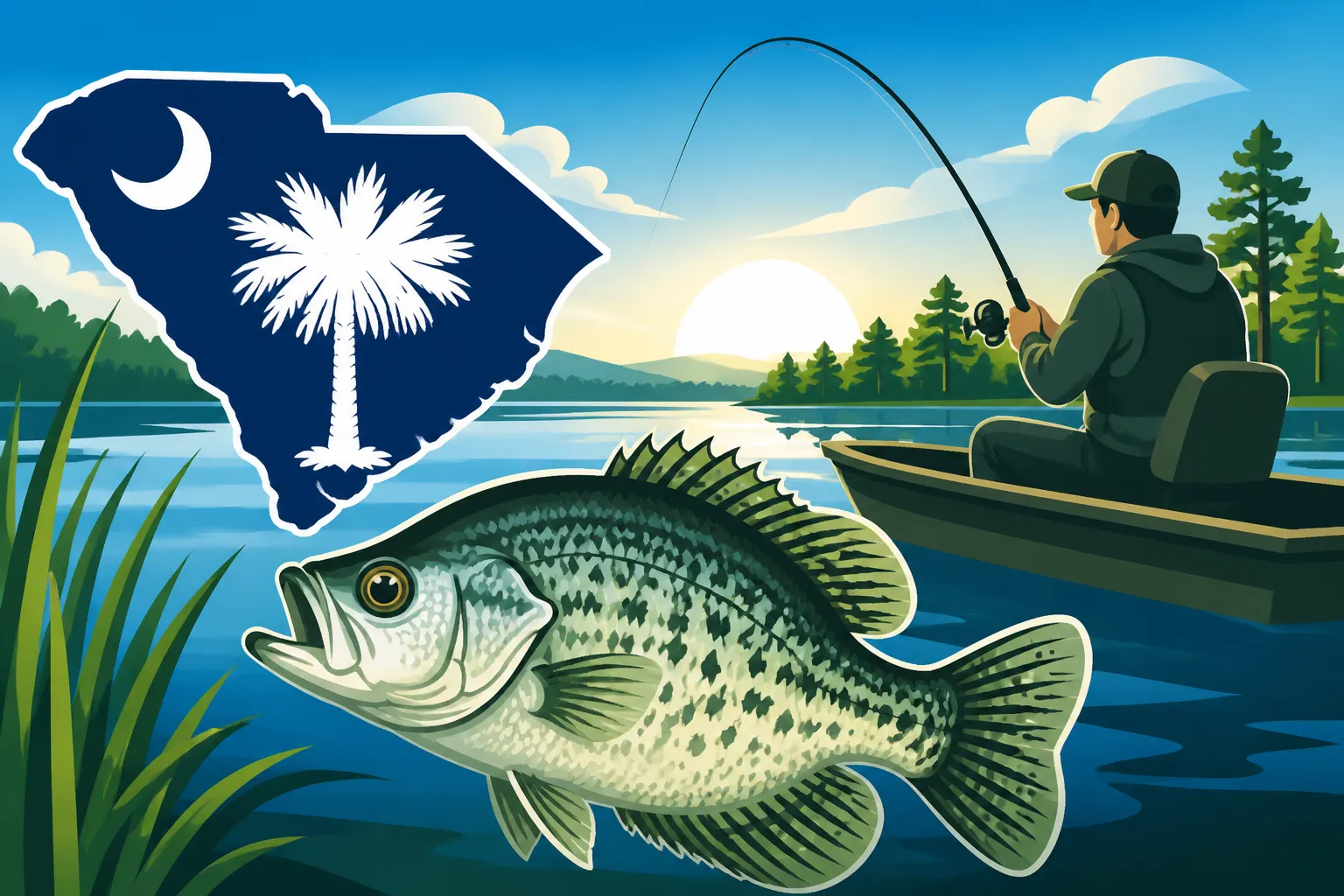
When we talk about crappie in South Carolina, we're generally referring to two main species: black crappie and white crappie. While they share a similar reputation for being excellent table fare and fun to catch, they do have some distinct differences that influence where and how you might target them. Black crappie, identifiable by their irregular blotches and seven or eight dorsal spines, tend to prefer clearer water with more vegetation and structure. You'll often find them nestled deep within brush piles or around docks.
White crappie, on the other hand, typically have more distinct vertical bars on their sides and possess six dorsal spines. They're generally more tolerant of murky water and are often found in larger, more open water bodies, sometimes schooling in deeper channels or around submerged creek beds. Understanding these subtle preferences can significantly impact your success, helping you choose the right lake and technique for the specific crappie you're hoping to catch. Both species offer fantastic angling opportunities across the state, ensuring that there's always a challenge and a reward waiting.
Ideal Conditions for Crappie Abundance
What makes South Carolina's lakes such prime real estate for crappie? It really boils down to a combination of factors that create a perfect storm for crappie growth and reproduction. Many of these reservoirs were created by damming rivers, which led to vast areas of flooded timber, stump fields, and old creek channels becoming submerged structure – absolute magnets for crappie and their forage. The nutrient-rich waters support healthy populations of baitfish like shad and minnows, providing an ample food supply for crappie to grow large and plentiful.
Furthermore, the management efforts by the South Carolina Department of Natural Resources (SCDNR) play a crucial role. Stocking programs, habitat enhancement projects, and carefully regulated bag and size limits help ensure sustainable crappie populations. When you combine these biological and environmental advantages with a long growing season thanks to the southern climate, you end up with some of the best crappie fishing opportunities in the entire Southeast. Anglers here benefit from waters that are not only productive but also well-maintained for future generations to enjoy.
Top Crappie Fishing Lakes in South Carolina
South Carolina boasts several incredible lakes that consistently produce excellent crappie catches. These are the places where local legends are made and where most anglers turn for reliable action. Each lake has its own unique character and hotspots, offering diverse experiences for crappie enthusiasts.
The Santee Cooper Lakes: Marion and Moultrie – Legends for a Reason
It's almost impossible to talk about crappie fishing in South Carolina without immediately mentioning the Santee Cooper Lakes. This massive, two-lake system, comprising Lake Marion and Lake Moultrie, is legendary for its crappie fishing, often considered one of the best in the nation. Lake Marion, the larger of the two, is often called the "Big Lake" and is famous for its vast expanses of standing timber, cypress trees, and submerged stump fields. These natural structures provide endless cover for crappie, making it an ideal location for both black and white crappie to thrive. Anglers here frequently employ spider rigging tactics, slow-trolling multiple jigs or live minnows through the timber, especially around the large open areas like the "Flats" or near the old river channels.
Lake Moultrie, connected to Marion by the Diversion Canal, is also a crappie powerhouse, though it tends to be deeper and less timbered in its open areas. Moultrie is known for its deep-water crappie populations, particularly during the summer and winter months when fish move to thermal refuges and structure like ledges, humps, and brush piles. Many anglers focus on the deep channels and ledges, using electronics to pinpoint schools of crappie before dropping jigs or live bait. The sheer size and productivity of Santee Cooper means there are countless fishing spots to explore, from the shallow coves of Marion to the deep holes of Moultrie, ensuring consistent action. If you're looking to truly immerse yourself in top-tier crappie fishing, the Santee Cooper system, with its rich history and incredible fish populations, should be your first stop. You can learn more about specific tactics by checking out our guide on the best crappie spots on the Santee Cooper Lakes.
Lake Murray: Stripers, Bass, and Hidden Crappie Gems
While Lake Murray is widely celebrated for its trophy striped bass and robust largemouth bass fishery, it's also a surprisingly productive lake for crappie. Often overlooked by those chasing bigger game, Murray holds a healthy population of both black and white crappie, particularly in its numerous coves and along its extensive shoreline. The lake’s clear waters, especially in the upper reaches, favor black crappie, which can be found relating to the abundant docks, brush piles, and fallen trees. During the spawn, these fish move incredibly shallow, offering fantastic opportunities for bank anglers and those sight fishing.
In the deeper, main lake areas, especially near the dam and in the lower lake, white crappie often school up around submerged humps, ledges, and deeper brush piles. Finding these fish usually requires good electronics and patience, but the reward can be excellent catches of slab crappie. Many local crappie anglers on Murray use smaller jigs tipped with minnows, or even just live minnows under a float, targeting the edges of cover. Don't let the reputation for other species deter you; Lake Murray offers a fantastic crappie fishing experience if you're willing to explore its quieter corners. For tips on where to start, our guide on Lake Murray Crappie Fishing Spots for Beginners is a great resource.
Lake Wateree: A Consistent Producer
Nestled in the Midlands, Lake Wateree is another consistently strong performer for crappie fishing in South Carolina. This lake is known for its healthy populations of both black and white crappie, and its relatively consistent water levels and abundant shallow and deep-water cover make it a favorite among local anglers. Wateree is characterized by numerous creeks, coves, and significant stretches of standing timber, especially in its upper sections. These timbered areas are prime crappie habitat, providing both shelter and feeding grounds.
Anglers on Lake Wateree often find success with both jigging and live bait techniques. During the spring, crappie move into the shallower coves and feeder creeks to spawn, making them accessible to a wider range of anglers, including those fishing from the bank. As the seasons progress, crappie transition to deeper brush piles, ledges, and submerged creek channels, where spider rigging and slow trolling become highly effective. The lake’s consistent productivity, coupled with its manageable size compared to Santee Cooper, makes it an excellent choice for a dedicated crappie outing. It’s truly a gem for anglers seeking reliable crappie action.
Lesser-Known but Productive Crappie Lakes
Beyond the titans of Santee Cooper and the popular Lake Murray, South Carolina has several other fantastic lakes that might not get as much attention but are absolutely worth exploring for crappie. These hidden gems often offer less crowded waters and surprising trophy potential.
Lake Wylie: Border Waters with Great Potential
Straddling the border between North and South Carolina, Lake Wylie is a beautiful and often underestimated crappie fishery. While popular for bass and catfish, Wylie also supports a thriving crappie population, particularly white crappie, due to its nutrient-rich waters and diverse structure. The lake features numerous residential docks, bridge pilings, and submerged rock piles, all of which act as crappie magnets. Its long, winding coves and creeks also offer excellent shallow-water opportunities during the spring spawn.
Anglers on Lake Wylie often target crappie around the many docks that line the shoreline, using small jigs or minnows fished vertically. Deeper crappie schools can be found relating to submerged ledges and brush piles, especially in the main channel or around the numerous islands. Because it's a border water, always be mindful of the specific regulations for the state you're fishing in, though South Carolina's generally liberal crappie limits usually apply broadly. For those seeking a crappie adventure away from the more famous spots, Lake Wylie offers a unique and rewarding experience.
Lake Hartwell: More Than Just Bass
Lake Hartwell, another large reservoir on the South Carolina-Georgia border, is renowned as a premier bass fishing destination, hosting major tournaments year-round. However, beneath its reputation for largemouth and spotted bass lies a very healthy and often unpressured crappie fishery. Hartwell's deep, clear waters and abundant standing timber, especially in its upper reaches and major creek arms, provide excellent habitat for black crappie. While white crappie are present, black crappie tend to dominate in this environment.
Finding crappie on Hartwell often involves targeting submerged timber, brush piles, and deep creek channels. Many successful crappie anglers here use their electronics extensively to locate schools relating to structure at various depths, depending on the season. During the cooler months, crappie will often suspend over deep water or hold tight to vertical timber. In spring, they push into the shallow coves and rocky points to spawn. Don't let the bass buzz fool you; Lake Hartwell offers fantastic opportunities for anglers willing to dedicate their efforts to cracking its crappie code.
Lake Greenwood: A Local Favorite
Lake Greenwood, located in the west-central part of the state, might be smaller than some of its counterparts, but it packs a punch when it comes to crappie fishing. It's truly a local favorite among crappie enthusiasts, known for its consistent production and often overlooked potential. The lake’s murky, fertile waters, combined with ample submerged cover like stump fields and brush piles, create an ideal environment for both black and white crappie to thrive.
Springtime on Lake Greenwood sees crappie moving into the shallow feeder creeks and coves, particularly around structure such as docks and cypress knees, making them relatively easy targets. As the water warms, these fish transition to deeper water, congregating around man-made brush piles and natural submerged contours. Spider rigging with minnows or slow-trolling jigs are popular and highly effective methods here. If you're looking for a quieter, community-oriented lake with a strong crappie bite, Lake Greenwood should definitely be on your radar.
Essential Crappie Fishing Techniques for South Carolina Waters
To truly master crappie fishing in South Carolina, it's not enough to just know where to go; you also need to understand how to catch them. Crappie can be finicky, and employing the right technique for the conditions can make all the difference between a slow day and a cooler full of slabs.
Mastering the Art of Spider Rigging and Jigging
Spider rigging is a wildly popular and incredibly effective technique, especially on larger, open-water lakes like the Santee Cooper system or Lake Wateree. It involves running multiple long rods (often six to eight) off the front of your boat, each rigged with a jig or a live minnow, or a combination. The rods are spread out like a spider's legs, allowing you to cover a wide swath of water at various depths simultaneously as you slowly troll along. This method is fantastic for locating schools of crappie that are suspended or spread out over submerged structure like old creek beds or stump fields. The key is to move slowly, often just 0.5 to 1.0 mph, letting your baits present naturally to the fish.
Jigging, on the other hand, is a more active and versatile technique. It can be done vertically over brush piles and stake beds, cast to visible cover like docks or standing timber, or even trolled behind the boat. Small soft plastic jigs, typically 1/16 to 1/8 ounce, are incredibly effective. The action of the jig, whether it's a subtle quiver or a sharp twitch, can entice crappie to strike when other baits fail. The choice of jig color can be critical, often depending on water clarity and sunlight, so it's always wise to carry a variety. Mastering both of these techniques will significantly boost your crappie catching prowess across South Carolina's diverse waters. You can dive deeper into specific tactics with our guides on Crappie Jigging Techniques for Beginners and Tightlining for Crappie in Deep Water.
Live Bait Strategies for Finicky Crappie
Sometimes, crappie just want the real thing, and live bait, particularly small minnows, can be absolutely irresistible to them. While jigs are fantastic, live minnows often outperform artificials when crappie are less active or when you're targeting particularly finicky fish. The natural movement and scent of a lively minnow can draw strikes when nothing else will. Most anglers rig minnows by hooking them lightly through the lips or just behind the dorsal fin, allowing them to swim naturally. They can be fished under a bobber in shallow water, on a bare hook with a split shot, or as part of a spider rig setup.
Another effective live bait strategy involves using crickets or small worms, especially for bluegill and other panfish, but crappie will also readily take them, particularly in clear, vegetated waters where black crappie might be more prevalent. The key with live bait is to present it as naturally as possible, letting the fish do the work. Remember, if you're fishing with live bait, especially minnows, ensure you're using bait that adheres to South Carolina's regulations and that you're not introducing invasive species. Combining live bait with your favorite jig can often be the deadliest combination, giving crappie two enticing options to choose from.
Seasonal Crappie Patterns and Where to Find Them
Understanding the seasonal movements of crappie is perhaps the most crucial factor for consistent success. Crappie are highly influenced by water temperature, which dictates their spawning cycles, feeding habits, and preferred depths. Knowing these patterns allows you to anticipate where the fish will be, no matter the time of year.
Springtime Spawns and Shallow Water Action
Ah, springtime! This is arguably the most exciting time for crappie anglers in South Carolina. As water temperatures begin to rise, typically reaching the mid-50s to low 60s Fahrenheit, crappie begin their migration from deeper wintering grounds to shallow spawning areas. This usually occurs from March through May, depending on the specific lake and weather patterns. They'll seek out protected coves, shallow creek arms, and areas with submerged brush, grass, cypress knees, or docks – essentially any hard cover where they can lay their eggs.
During the spawn, crappie are often found in water as shallow as 1-5 feet, making them highly accessible. Anglers can have incredible success by casting small jigs or live minnows under a bobber towards visible cover. This is a prime time for bank anglers as well, as fish are often within casting distance from shore. The bites can be aggressive, as the fish are actively feeding and guarding their nests. However, always be mindful not to overfish these vulnerable spawning concentrations, ensuring plenty of fish are left to reproduce. Our guide on how to find crappie in spring can help you pinpoint these hotspots.
Summer Deep Water Tactics and Brush Piles
Once the spring spawn is over and water temperatures really begin to climb into the 70s and 80s, crappie retreat from the extreme shallows. They seek refuge in deeper, cooler water, often congregating around thermal refuges and substantial submerged structure. This is when deep-water tactics become essential. Crappie will school up tightly on brush piles, timber, humps, ledges, and deep creek channels, often suspending at a comfortable depth above the thermocline.
Effective summer crappie fishing typically involves using your boat's electronics to locate these brush piles and schools of fish. Once found, vertical jigging with small jigs or slow-trolling live minnows directly over the structure are highly productive. Lakes with significant standing timber, like Lake Marion, can hold crappie deep within the wood, requiring precise bait presentation. It's a game of patience and precision, but the reward can be hefty stringers of summer slabs. Often, night fishing can be especially productive in the summer, as crappie become more active and move shallower under the cover of darkness.
Fall and Winter Transitions: When and Where to Look
As autumn arrives and water temperatures start to drop, crappie begin another significant migration. They'll often move out of their deep summer haunts and scatter across the lake, following schools of baitfish that are also on the move. This fall transition can be a fantastic time to catch crappie, as they feed aggressively to put on weight for the colder months. You'll find them relating to a wider variety of structure, from shallow points and creek bends to deeper brush piles. As winter truly sets in, and water temperatures dip below 50 degrees Fahrenheit, crappie will once again congregate in deeper, more stable environments.
In winter, look for crappie to be tightly schooled in deep channels, under bridges, or around major submerged structures like deep timber and brush piles. They'll be less active, so a slow, subtle presentation is key. Vertical jigging with very small jigs or slowly presenting live minnows are typically the most effective methods. Sometimes, they'll suspend over even deeper water, requiring careful sonar work to pinpoint. Don't underestimate winter crappie fishing; while the bites might be lighter, the fish are often larger and grouped up, making for some excellent cold-weather catches. For more seasonal insights, our content on the best time of year to catch crappie is a must-read, as is Crappie Fishing Techniques for Fall.
Tips for a Successful Crappie Trip: Gear, Regulations, and Local Knowledge
Embarking on a crappie fishing trip in South Carolina is exciting, but a little preparation goes a long way. Having the right gear, understanding the rules, and leveraging local insights can significantly enhance your experience and your catch rate.
Must-Have Gear for Crappie Anglers
Crappie fishing doesn't require a huge investment in gear, but having the right tools makes a difference. First and foremost, a good quality ultralight or light-action spinning rod (5-7 feet long) paired with a small spinning reel spooled with 4-6 lb test monofilament or fluorocarbon line is ideal. This setup provides the sensitivity needed to detect subtle crappie bites and the backbone to handle decent-sized fish. You'll also want a selection of small jigs (1/32 to 1/8 oz) in various colors, soft plastic bodies (like tubes, grubs, and curly tails), and a supply of small hooks (sizes #2 to #8) for live bait.
Other essentials include small bobbers (slip bobbers are great for precise depth control), split shot weights, and a comfortable tackle box to keep everything organized. Don't forget a pair of pliers for hook removal, a stringer or cooler to keep your catch fresh, and a valid South Carolina fishing license. For those fishing from a boat, a good fish finder or depth finder is invaluable for locating submerged structure and crappie schools, especially in deeper water. Having these basics will set you up for success on any crappie lake in the state.
Understanding South Carolina Crappie Limits and Rules
Before you even wet a line, it's absolutely crucial to be familiar with South Carolina's fishing regulations, especially regarding crappie. These rules are in place to ensure the sustainability of our fisheries, and violating them can lead to hefty fines. Currently, for most public waters in South Carolina, the statewide daily creel limit for crappie is 20 fish per person. There is no minimum size limit for crappie, which means you can keep any legal crappie you catch up to your daily bag limit.
However, always remember that regulations can change, and some specific lakes or bodies of water might have special regulations that differ from the statewide rules. For instance, border lakes like Lake Hartwell or Lake Wylie might have reciprocal agreements or slightly different rules depending on which state's side you're fishing. The best practice is always to check the current South Carolina Freshwater Fishing Regulations or the SCDNR website before heading out. This simple step can save you from potential penalties and ensures you're fishing responsibly.
The Value of Local Guides and Scouting
For those new to crappie fishing in South Carolina or visiting a particular lake for the first time, local knowledge is golden. Hiring a local fishing guide, even for a half-day trip, can dramatically shorten your learning curve. A good guide knows the lake intimately – where the crappie are biting, what techniques are working best that day, and where the hidden brush piles and productive ledges are located. They'll also provide all the necessary gear and usually clean your catch. Websites like FishingBooker can connect you with experienced crappie guides in areas like Santee Cooper or Lake Murray, offering invaluable insights and a higher chance of success.
If a guide isn't in the cards, dedicate some time to scouting. This means using your boat's electronics to scan for submerged structure, looking for baitfish schools, and identifying potential crappie holding areas before you even start fishing. Pay attention to visible signs like bird activity or baitfish flickering on the surface. Talking to local bait shop owners or other anglers at the boat ramp can also yield valuable, current information about the bite. Combining this kind of local intelligence with your own on-the-water observations is key to becoming a consistently successful crappie angler.
Comparing South Carolina's Top Crappie Lakes
To help you decide which South Carolina lake is best for your next crappie adventure, here's a quick comparison of our top picks, highlighting their key features for crappie anglers.
| Lake Name | Primary Crappie Species | Best Time of Year | Key Habitats/Structure | Common Techniques | Unique Considerations |
|---|---|---|---|---|---|
| Lake Marion | Black & White Crappie | Spring, Fall, Winter | Standing timber, stump fields, cypress trees, creek beds | Spider rigging, jigging, live minnows | Vast size, legendary productivity, shallow timber |
| Lake Moultrie | Black & White Crappie | Summer, Winter | Deep channels, ledges, humps, brush piles | Vertical jigging, slow trolling, live bait | Deeper, more open water than Marion, excellent winter bite |
| Lake Murray | Black & White Crappie | Spring, Fall | Docks, brush piles, submerged humps, ledges | Jigging (vertical & casting), live minnows | Overlooked for crappie, clear water, good bank access |
| Lake Wateree | Black & White Crappie | Spring, Fall | Standing timber, creeks, coves, brush piles | Spider rigging, jigging, live bait | Consistent producer, manageable size, good access |
| Lake Wylie | White Crappie | Spring, Fall | Docks, bridge pilings, rock piles, creek arms | Vertical jigging, minnows under bobbers | Border water (check regulations), good residential cover |
| Lake Hartwell | Black Crappie | Spring, Fall, Winter | Standing timber, deep creek channels, brush piles | Jigging (vertical), slow trolling with minnows | Clearer water, deep crappie, great electronics lake |
| Lake Greenwood | Black & White Crappie | Spring, Fall | Stump fields, brush piles, feeder creeks | Spider rigging, jigging, live bait | Local favorite, fertile waters, consistent production |
Disclaimer
The information provided in this guide is for general informational purposes only and is based on current understanding and commonly accepted practices. Fishing regulations, conditions, and fish behavior can change rapidly. Always consult the latest South Carolina Department of Natural Resources (SCDNR) regulations before fishing and prioritize safety on the water.