South Carolina Streams With a 5-Fish Trout Limit
It's incredibly frustrating when you're gearing up for a peaceful day of trout fishing in South Carolina, only to find yourself buried under a stack of confusing regulations. You want to do the right thing, respect the resource, and avoid any accidental fines, but deciphering which stream has what limit can feel like cracking a secret code. This guide is here to untangle that complexity, focusing specifically on those beautiful South Carolina streams where a 5-fish trout limit applies, helping you understand not just where they are, but why these rules are in place and how to make the most of your trip.
Understanding Trout Limits in South Carolina's Mountain Waters
South Carolina might be famous for its coastal fishing, but for those in the know, the Upstate offers a truly special trout fishery, nestled within the picturesque Blue Ridge Mountains. Here, cool, clear waters cascade through lush forests, creating prime habitat for both stocked and wild trout. However, managing such a delicate ecosystem requires careful planning, which is why trout limits exist in the first place. These regulations aren't arbitrary; they're designed to ensure sustainable populations, protect native species, and preserve the quality of fishing for generations to come.
The Purpose Behind Varying Limits
You might wonder why one stream has a 7-fish limit while another, seemingly similar, has a 5-fish limit, or even goes catch-and-release only. It all comes down to the specific ecology of each waterway. Streams with a higher proportion of stocked trout, often larger and more resilient populations, can usually sustain a more generous harvest. These are the streams where the state actively introduces trout, creating "put-and-take" fisheries. On the other hand, streams designated with a 5-fish limit, or even stricter rules, are typically home to more sensitive populations, often including native species like the Southern Appalachian brook trout, or have a more fragile natural reproductive cycle. These stricter limits are a conservation tool, aiming to reduce angling pressure on vulnerable fish and allow wild populations to thrive. It’s about balance—giving anglers a chance to take some fish home while safeguarding the long-term health of the fishery.
General Statewide Trout Regulations
Before we dive into the specifics of 5-fish limit streams, it’s helpful to understand the baseline. Generally, for most stocked trout waters across South Carolina's mountain region, the daily creel limit for a combination of rainbow, brown, and brook trout is 7 fish per day. This is often the rule of thumb unless a specific stream or section of a stream is clearly marked otherwise. Knowing this general rule helps put the special 5-fish limits into context, highlighting the unique nature and conservation focus of those particular waters. Always remember that regulations can change, so it's always smart to double-check the latest South Carolina's Freshwater Fishing Regulations before you head out. This due diligence ensures you're always compliant and contributes to responsible angling.
Specific South Carolina Streams Under a 5-Fish Trout Limit
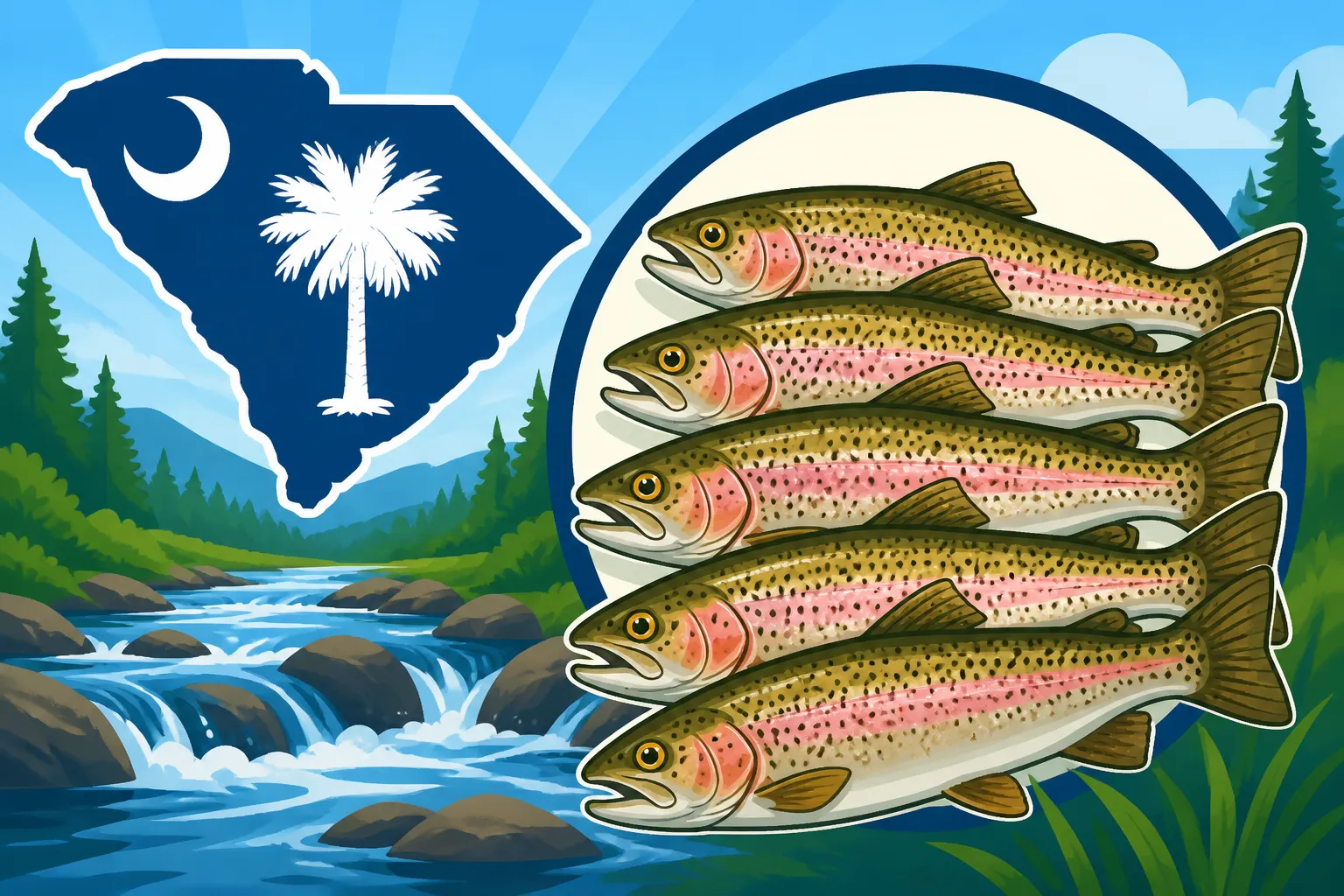
Now, let's get down to the brass tacks. While the 7-fish daily limit is common for stocked waters, there are indeed specific streams in South Carolina where the daily creel limit for trout is set at 5 fish. These are often special regulation wild trout waters, or particular sections of larger river systems that require more protective measures.
The East Fork of the Chattooga River (Upstream of Highway 107)
One of the most notable locations with a 5-fish limit is the East Fork of the Chattooga River, specifically the section located upstream of Highway 107 in Oconee County. This area is a true gem in the Upstate, offering pristine mountain scenery and excellent trout fishing. The 5-fish limit here applies to a combination of rainbow, brown, and brook trout. However, there are important size restrictions to keep in mind:
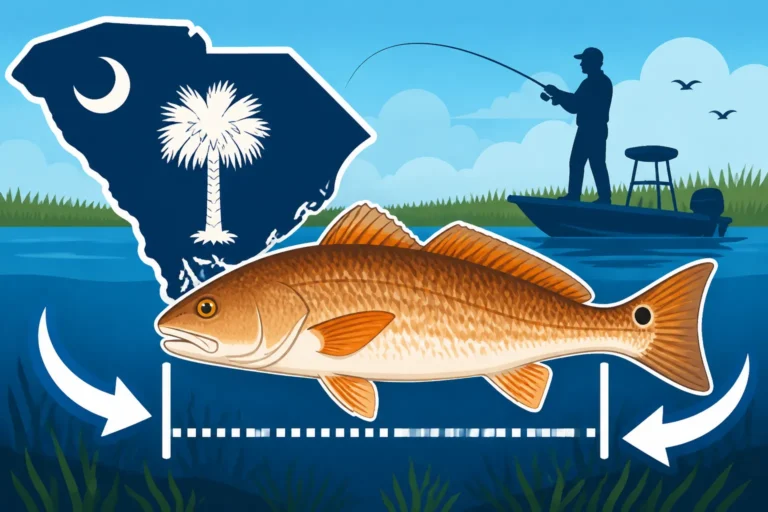
- Brown Trout and Rainbow Trout: Must be at least 12 inches in length to be kept.
- Brook Trout: Must be at least 7 inches in length to be kept.
These size limits are just as crucial as the creel limit itself. They're designed to protect juvenile fish, allowing them to grow and reproduce, contributing to a healthier and more robust population. Imagine a perfect autumn day, casting your line into the crisp, clear waters of the East Fork. You might catch several smaller trout, but only those that meet the minimum size criteria can make it into your cooler, reinforcing the idea of quality over quantity. This particular section of the Chattooga offers a truly wild trout experience, making it a favorite for many experienced anglers seeking a challenge and a chance at a respectable catch. Many fly fishers find great success here with various nymph and dry fly patterns, which you can often find readily available on platforms like Amazon if your local tackle shop doesn't have exactly what you need.
Other Designated Wild Trout Waters
While the East Fork of the Chattooga is a prominent example, the South Carolina Department of Natural Resources (SCDNR) designates other "Special Regulation Wild Trout Waters" that might also feature a 5-fish limit, sometimes with slight variations. These streams are usually identified by on-site signage and are always detailed in the official SCDNR regulations guide. It's not uncommon for these wild trout waters to have more stringent rules due to the delicate nature of their self-sustaining fish populations. They don't receive the regular stockings that other waters do, meaning every fish caught and kept has a greater impact on the overall population.
For instance, some smaller tributaries flowing into larger systems in the Sumter National Forest might fall under similar protective regulations. These tucked-away spots often require a bit more effort to access, appealing to anglers who prefer solitude and a genuine wilderness experience. When you're fishing these streams, you're not just casting a line; you're participating in a centuries-old tradition in an incredibly special place. Always remember to check Checking a Stream's Trout Limit Before You Fish It for the most current information, as boundaries and regulations can sometimes be adjusted for conservation purposes.
Here's a quick overview of some common trout limits in South Carolina's mountain streams:
| Stream Type / Regulation Zone | Daily Creel Limit | Minimum Size (Rainbow/Brown) | Minimum Size (Brook) | Primary Focus |
|---|---|---|---|---|
| General Stocked Waters | 7 fish (combined) | None (generally) | None (generally) | "Put-and-take" fishery, recreational angling |
| East Fork Chattooga (above Hwy 107) | 5 fish (combined) | 12 inches | 7 inches | Wild trout protection, quality fishery |
| Catch-and-Release Only | 0 fish | N/A | N/A | Native brook trout conservation, sport fishing |
| Other Specific Wild Trout Waters | 5 fish (combined) | Varies, often higher | Varies | Balanced wild trout management, ecosystem health |
This table illustrates the distinctions, but again, the official SCDNR guide is your absolute go-to resource.
Navigating Special Regulations and Staying Compliant
Understanding where the 5-fish limit applies is just the first step. The next is knowing how to ensure you're always fishing legally and ethically. The South Carolina Department of Natural Resources (SCDNR) goes to great lengths to provide clear information, but it's up to each angler to seek it out and follow the rules. This diligence protects both you and the fishery.
The Importance of Official Regulations
Reliance on outdated information or hearsay is a common pitfall that can lead to unintentional violations. The SCDNR publishes an annual "South Carolina Freshwater Fishing Regulations" booklet, which is available online, at license vendors, and often at local tackle shops. This document is your bible for all things fishing regulations. It clearly outlines general statewide rules, then dives into specific exemptions and special regulations for particular water bodies, including those with different trout limits. Don't just skim it; take the time to read the sections pertaining to trout fishing in the Upstate. Knowing the rules for each body of water you intend to fish is paramount. It’s also wise to check the SCDNR website for any in-season emergency regulation changes, as these can occur to protect fish populations during unusual environmental conditions, like extreme heat or drought.
It's tempting to think that since you're "just fishing," you don't need to pore over legal documents, but a violation, even an accidental one, can result in Penalty for Fishing Without a License in South Carolina or for exceeding bag limits. These penalties can range from fines to loss of fishing privileges, which nobody wants.
Essential Gear for Regulated Trout Streams
Fishing these special regulation streams, especially those with size limits, often calls for a slightly different approach to gear. While you can certainly catch trout on a simple spinning rod and reel, many anglers who target these wilder waters opt for fly fishing. Fly rods, often in lighter weights (like 2-5 weight), allow for delicate presentations that are crucial when approaching wary trout in clear mountain streams. A good pair of waders and wading boots will also be invaluable, allowing you to navigate the often rocky and uneven stream beds safely and quietly.
Consider a decent pair of polarized sunglasses – they're not just for looks! They cut glare, allowing you to spot fish or submerged structures, which is a huge advantage in clear water. A small tackle box or a fly vest (for fly anglers) stocked with a variety of appropriate lures or flies is also critical. For bait fishermen, small hooks, split shot, and light line (4-6 lb test) are generally more effective than heavy gear. And don't forget a tape measure to quickly check if your catch meets the minimum size requirements. You can find a vast array of these items, from advanced fly-fishing outfits to basic spinning tackle, on Amazon, making it easy to prepare for your trip.
Practicing Responsible Angling
Adhering to the 5-fish limit and size restrictions is just one aspect of responsible angling. Many fish caught in these delicate ecosystems, especially those that don't meet the size limit or are destined to be released, should be handled with extreme care. This means minimizing their time out of water, using wet hands to handle them, and releasing them gently. Single, barbless hooks can also reduce harm to fish that are intended for release, allowing for easier unhooking and less stress on the fish.
Think about how you approach the stream too. Heavy footfalls on the bank can spook fish. Moving slowly and deliberately, reading the water, and trying to remain stealthy will greatly increase your chances of success while also minimizing disturbance to the environment. Remember, these streams are home to South Carolina's Native Brook Trout: A Blue Ridge Mountain Original, a species that needs all the help it can get to thrive. Every angler plays a role in their conservation.
Maximizing Your Experience in 5-Fish Limit Streams
Fishing a stream with a 5-fish limit isn't about catching as many fish as possible; it's about the quality of the experience, the challenge of the catch, and the beauty of the surroundings. These waters often offer some of the most rewarding angling opportunities in the state.
Techniques for Success
When you're targeting trout in these wilder, regulated streams, adapting your techniques is key. Unlike heavily stocked ponds, these fish are often more wary and less aggressive.
- Fly Fishing: For many, fly fishing is the quintessential method for wild trout streams. Delicate presentations with dry flies, nymphs, or streamers can be incredibly effective. Matching the hatch – using flies that imitate the insects currently emerging – is a skill that takes time to develop but pays huge dividends. For beginners, carrying a variety of general-purpose nymphs like a Pheasant Tail or Hare's Ear, or a simple Woolly Bugger streamer, is a great starting point.
- Spin Fishing: Don't feel you have to fly fish! Spin fishing can be very effective too. Small inline spinners (like Panther Martins or Mepps), tiny spoons, or micro-jigs (often 1/32 or 1/16 ounce) are excellent choices. Using light line (4 lb test fluorocarbon or monofilament) will help with casting distance and stealth. Live bait, like small worms or crickets, can also be very productive, especially when drifted naturally with the current. The key is subtlety and presentation.
- Reading the Water: Learn to identify where trout hold. They often seek cover from predators and current, so look for eddies, pools, undercut banks, submerged logs, and large rocks. Any change in the current or depth can be a potential holding spot. In these clear waters, approach these spots carefully to avoid spooking the fish before you even make a cast.
Seasonal Considerations for Trout Fishing
The success of your trout fishing trip can also heavily depend on the time of year. South Carolina's trout season generally runs year-round, but conditions change dramatically with the seasons.
- Spring: As water temperatures begin to rise after winter, trout become more active. This is often an excellent time for nymph fishing as insects become more active. Flows can be higher from spring rains, so safe wading is a priority.
- Summer: Summer can be challenging, especially in warmer periods. Trout seek out cooler, oxygenated water, often retreating to deeper pools or shaded areas. Early mornings and late evenings are often the most productive times. Some streams might experience very low flows, making trout even warier.
- Fall: Many anglers consider fall to be prime trout fishing season. Cooler water temperatures invigorate the fish, and beautiful autumn foliage makes for a stunning backdrop. It's an excellent time for both fly and spin fishing.
- Winter: Winter fishing can be slow but rewarding. Trout are less active, and their metabolism slows. Slow-moving baits or flies presented deep can entice bites. Always dress warmly and be mindful of extremely cold water temperatures.
Knowing the best time of year to fish in South Carolina, particularly for trout, can significantly improve your chances. You can find more specific seasonal advice in guides like South Carolina Fishing Seasons Guide.
Beyond the Catch: Enjoying the Outdoors
Ultimately, fishing these special regulation streams in South Carolina with a 5-fish limit is about more than just filling your cooler. It's about connecting with nature, appreciating the serene beauty of the Blue Ridge Mountains, and the satisfaction of outsmarting a wild fish. These are places where you can truly escape, whether you're fly fishing with specialized gear or simply using a basic Spin Fishing Techniques for Stocked Trout setup bought from Amazon. Take a moment to soak in the sounds of the stream, the rustling leaves, and the fresh mountain air. The memories made in these precious places often last far longer than any fish in the frying pan.
Disclaimer
Please note that fishing regulations, including creel limits and size restrictions, are subject to change by the South Carolina Department of Natural Resources (SCDNR). While we strive to provide accurate and up-to-date information, it is always the angler's responsibility to consult the latest official SCDNR regulations prior to any fishing trip to ensure compliance.