South Carolina Resident Freshwater Fishing License Annual Cost
It’s a common scenario: you’re itching to hit the water, maybe a favorite bass spot on Lake Murray or a quiet stretch of the Edisto River, and then it hits you – "Do I have my fishing license? How much was that thing last year, anyway?" For many South Carolina residents, navigating the ins and outs of fishing license requirements and costs can feel a bit like wading through mud. This comprehensive guide is here to clear the waters, specifically focusing on the annual cost of a freshwater fishing license for residents and everything you need to know to get yours without a hitch.
Understanding the South Carolina Resident Freshwater Fishing License
Before we dive into the actual numbers, let’s make sure we're all on the same page about what this license entails and why it’s such an important piece of gear for any angler. It's not just a formality; it's a critical component of conservation and sustainable fishing in our beautiful state.
Why a License is Necessary and What it Covers
Think of your fishing license as a passport to South Carolina's incredible freshwater fisheries. Every dollar spent on a license goes directly back into managing and conserving the state's aquatic resources. This means funding for fish stocking programs, habitat restoration projects, research, and enforcement efforts by the South Carolina Department of Natural Resources (SCDNR). Without these funds, the vibrant lakes, rivers, and ponds we love to fish simply wouldn't be as healthy or productive.
This particular license covers you for freshwater fishing in South Carolina. This includes all the public lakes, rivers, streams, and ponds within the state's borders. So, whether you're chasing largemouth bass on Lake Greenwood, crappie on Santee Cooper, or even trying your hand at trout in the Upstate mountain streams, this is the license you'll need. It's important to remember that if you plan to venture into saltwater – like fishing in Charleston Harbor or surf fishing at Myrtle Beach – you'll need a separate South Carolina Saltwater Fishing Rules in South Carolina. Many folks find themselves needing both, especially those who enjoy diverse angling experiences across the state.
Who Qualifies for a Resident License
The term "resident" might seem straightforward, but for fishing license purposes, the SCDNR has specific criteria. Generally, to qualify for a South Carolina resident fishing license, you must have resided in the state for at least 30 consecutive days immediately prior to applying for the license. This isn't just a casual visit; it implies a genuine intent to make South Carolina your home.
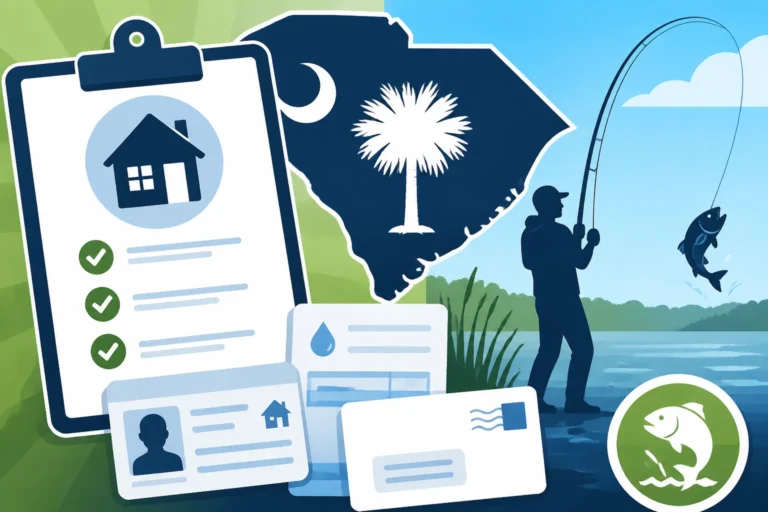
Proof of residency can include things like a valid South Carolina driver's license or ID card, a South Carolina voter registration card, or even property tax records. If you're new to the state, gathering these documents beforehand can save you a lot of hassle. It’s always best to have your ducks in a row to ensure you get the resident rate, which is significantly more affordable than the nonresident equivalent. No one wants to pay more than they have to, and verifying your residency is the first step to securing the best price.
The Annual Cost Breakdown for Residents
Alright, let's get down to brass tacks: how much is this annual freshwater fishing license going to set you back? For many, the cost is a pleasant surprise, especially considering the year-round access it grants to some of the best fishing on the East Coast.
The Standard Annual Freshwater License Fee
For South Carolina residents, the annual freshwater fishing license is exceptionally affordable. As of my last check, the standard annual resident freshwater fishing license costs $10.00. Yes, you read that right – ten dollars for a full year of freshwater fishing access across the entire state. This price point makes it incredibly accessible for almost everyone, from the casual weekend angler to the dedicated bass tournament enthusiast.
This license is valid for 12 months from the date of purchase, not just a calendar year. This is a crucial detail! If you buy your license in June, it’s good until June of the following year. This flexible validity period ensures you get a full year's worth of fishing, no matter when you decide to purchase it. It’s an unbeatable value, allowing you to enjoy all four seasons of fishing in South Carolina's diverse waterways.
Additional Fees and Considerations
While the base price of $10.00 is fantastic, it's important to be aware of potential additional fees. When purchasing your license, especially online or through third-party vendors, you might encounter a small processing or transaction fee. These fees are usually just a dollar or two and help cover administrative costs for the vendor or the online system. While minor, it's good to factor them in so there are no surprises at checkout.
For instance, if you're buying online through the official SCDNR "Go Outdoors South Carolina" portal, there's typically a small non-refundable transaction fee added to the total. This is pretty standard for online government services these days. If you buy your license in person at a sporting goods store or a local bait and tackle shop, they might also have a small vendor fee. It's always a good idea to confirm the final price before completing your purchase. Just like when you're stocking up on fishing essentials like new line or a tackle box – which you can often find great deals on through retailers like Amazon – it's wise to consider the total cost before you commit.
Comparing Annual vs. Other Short-Term Options
While this guide focuses on the annual cost, it's worth a quick look at other options to truly appreciate the value of the annual license. South Carolina also offers a 14-day resident freshwater license, which typically costs around $5.00. For someone visiting for a short vacation or just trying fishing out for a couple of weeks, this can seem appealing. However, if you plan to fish more than twice a year, the annual license quickly becomes the more economical choice.
Let's break it down: two 14-day licenses would cost you $10.00 (plus any transaction fees), providing only 28 days of fishing total. For the same price, the annual license gives you 365 days of fishing. It's a no-brainer for anyone who plans to fish regularly throughout the year. The state also offers longer-term options, like a South Carolina 3-Year Fishing License Options, which can offer even more savings for committed anglers, bundling several years into one purchase.
South Carolina Resident Freshwater Fishing License Costs
| License Type | Cost (Approx.) | Validity Period | Best For |
|---|---|---|---|
| Annual Freshwater Resident | $10.00 | 12 months from purchase | Regular, year-round anglers |
| 14-Day Freshwater Resident | $5.00 | 14 consecutive days | Short trips, infrequent fishing |
| 3-Year Freshwater Resident | $30.00 | 36 months from purchase | Dedicated, long-term anglers who want to save |
How and Where to Purchase Your Annual License
Getting your South Carolina resident freshwater fishing license is a straightforward process, designed to be convenient for anglers. You have a few options, whether you prefer the ease of online transactions or the personal touch of an in-person visit.
Online Purchase Through Go Outdoors South Carolina
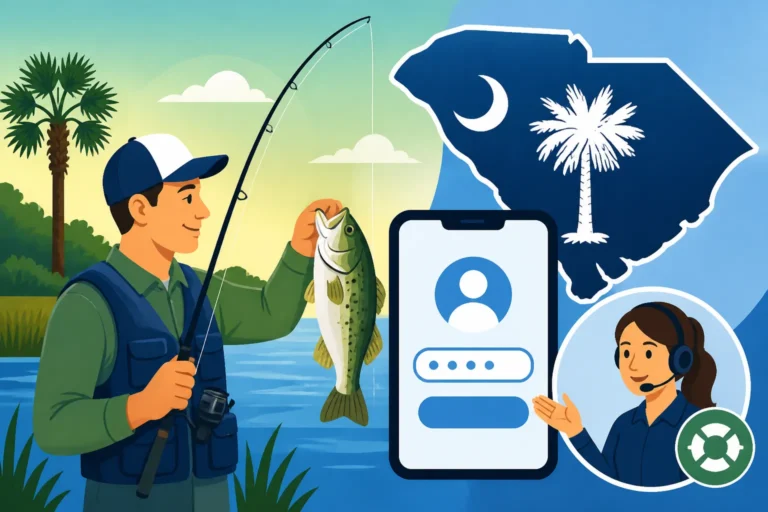
The most convenient way for many modern anglers to purchase their license is through the official SCDNR "Go Outdoors South Carolina" online portal. This system is designed to be user-friendly, allowing you to buy your license from the comfort of your home, any time of day or night. All you need is internet access and a valid credit or debit card. The process usually involves creating an account if you don't already have one, providing your personal information and proof of residency details, and then selecting the desired license.
Once your purchase is complete, you'll typically receive an email confirmation with a temporary license or a link to print your official license. It’s crucial to either print a physical copy or save it digitally on your smartphone. While a ranger can often look up your license, having it readily available on your person is always the safest bet. Just make sure your phone battery is charged, or you have a waterproof case (many available on Amazon) if you're taking your digital license onto the water. For a detailed walkthrough, you can find a guide on How to Buy a Fishing License on Go Outdoors South Carolina.
In-Person Retailers and SCDNR Offices
If you prefer a more traditional approach or need immediate assistance, you can always purchase your license in person. Various authorized license vendors are scattered throughout the state. These typically include many Walmarts, Academy Sports + Outdoors stores, local bait and tackle shops, and sometimes even county courthouses. These vendors are equipped to process your application, and you'll walk out with a printed license in hand.
Additionally, you can visit one of the SCDNR regional offices. While these might not be as numerous as retail locations, they offer direct assistance from SCDNR staff who can answer any specific questions you might have about regulations or license types. To find a location near you, you can often check the SCDNR website or refer to a guide like Where to Buy a Fishing License in South Carolina. Many anglers appreciate the opportunity to chat with local experts while picking up their license, getting the latest scoop on local fishing conditions.
What You Need to Bring (or Have Ready)
Regardless of whether you purchase online or in person, you'll need to provide some basic information and proof of your South Carolina residency. Typically, this includes your full name, date of birth, physical address, and a form of identification. A valid South Carolina driver's license or state ID card is usually sufficient to prove residency.
If you’re new to the state or your ID doesn’t immediately show your South Carolina address, you might need additional documentation. This could include a voter registration card, utility bills in your name at your South Carolina address, or property tax forms. Having these documents ready will prevent any delays in getting your license, ensuring you spend less time on paperwork and more time on the water.
Maximizing Value and Avoiding Common Pitfalls
Having your license is just the first step. Understanding its nuances and staying informed can save you headaches and ensure a smooth, enjoyable fishing experience throughout the year.
Understanding Your License's Validity Period
As mentioned, your annual freshwater fishing license is valid for 12 months from the date of purchase. This isn't a calendar year, which can sometimes trip people up. Many people forget exactly when they bought it last year and assume it expires on December 31st, leading to an accidental lapse. It's crucial to make a note of your expiration date or set a reminder.
Fishing with an expired license, even by accident, is the same as fishing without one. Always double-check your license before heading out, especially if you haven't fished in a while. The SCDNR website or the "Go Outdoors South Carolina" portal often allows you to view your current licenses and their expiration dates, making it easy to keep track. Being proactive about renewal ensures you're always covered, preventing any unwelcome surprises from a game warden. Keeping abreast of your license status is a core part of South Carolina Fishing License Renewal Basics.
Staying Informed on Regulations
While your license grants you the legal right to fish, it doesn't absolve you of the responsibility to know and follow all other fishing regulations. South Carolina has specific rules for different freshwater species, including size limits, bag limits, and even seasonal closures for certain areas or species. These regulations are in place to ensure sustainable populations and protect the future of our fisheries.
For example, knowing the daily creel limits for largemouth bass, or the specific rules for trout fishing in designated mountain streams, is just as important as having your license. The SCDNR publishes comprehensive guides on these regulations annually, and it's essential to consult them before each trip, especially if you're targeting a new species or fishing in an unfamiliar body of water. You can find detailed information on these rules in guides like South Carolina's Freshwater Fishing Regulations and South Carolina Fishing Bag Limits Explained. Don't rely on old knowledge; regulations can change!
Consequences of Fishing Without a License
Fishing without a valid license in South Carolina is a violation that carries real consequences. If you're caught by an SCDNR law enforcement officer without the proper license, you could face fines, court appearances, and potentially even the confiscation of your fishing gear. The exact penalties can vary depending on the specific circumstances and whether it's a first offense, but it's never a pleasant experience.
Imagine setting up for a peaceful morning on the water, only to have it interrupted by a citation that could cost you far more than the $10 annual license fee. It’s simply not worth the risk. Always ensure you have your license on your person, either a physical copy or an accessible digital one on your phone. To understand the full scope of potential issues, you might want to read more about the Penalty for Fishing Without a License in South Carolina.
Exemptions and Special Cases
There are a few situations where a South Carolina resident might not need a freshwater fishing license:
- Children Under 16: Young anglers under the age of 16 are generally exempt from needing a fishing license in South Carolina. This is fantastic for encouraging kids to get into fishing without the added barrier of a license fee. However, they must still adhere to all other fishing regulations, such as bag and size limits. You can learn more about specific age requirements in Fishing License Rules for Kids in South Carolina.
- Private Ponds: If you are fishing in a privately owned pond, lake, or stream that is completely enclosed and not connected to public waters, and you have permission from the landowner, you may not need a license. The key here is "completely enclosed" and "not connected to public waters," meaning no fish can enter or leave naturally. For more clarification, see Do You Need a License to Fish From a Private Pond?.
- Free Fishing Days: The SCDNR usually designates a couple of "free fishing days" each year, often around National Fishing and Boating Week or other holidays. On these specific days, residents can fish without a license. It’s a wonderful opportunity for beginners or those who rarely fish to try it out. However, all other regulations (bag limits, size limits, etc.) still apply. Check out South Carolina Free Fishing Days Explained for upcoming dates and details.
- Piers with Master Licenses: Some publicly accessible fishing piers in saltwater areas might hold a master fishing license that covers all anglers fishing from that pier. While this typically applies to saltwater piers, it's a good example of specific exemptions to be aware of.
Always verify these exemptions, as rules can occasionally be updated. When in doubt, it’s always better to purchase a license and be safe than to risk a fine.
Disclaimer
Please remember that fishing regulations and license costs can change. While this guide provides the most current information available, it is always best to verify all details with the South Carolina Department of Natural Resources (SCDNR) directly before you head out on your fishing adventure.