Is Tipping Included in South Carolina Charter Fishing Prices?
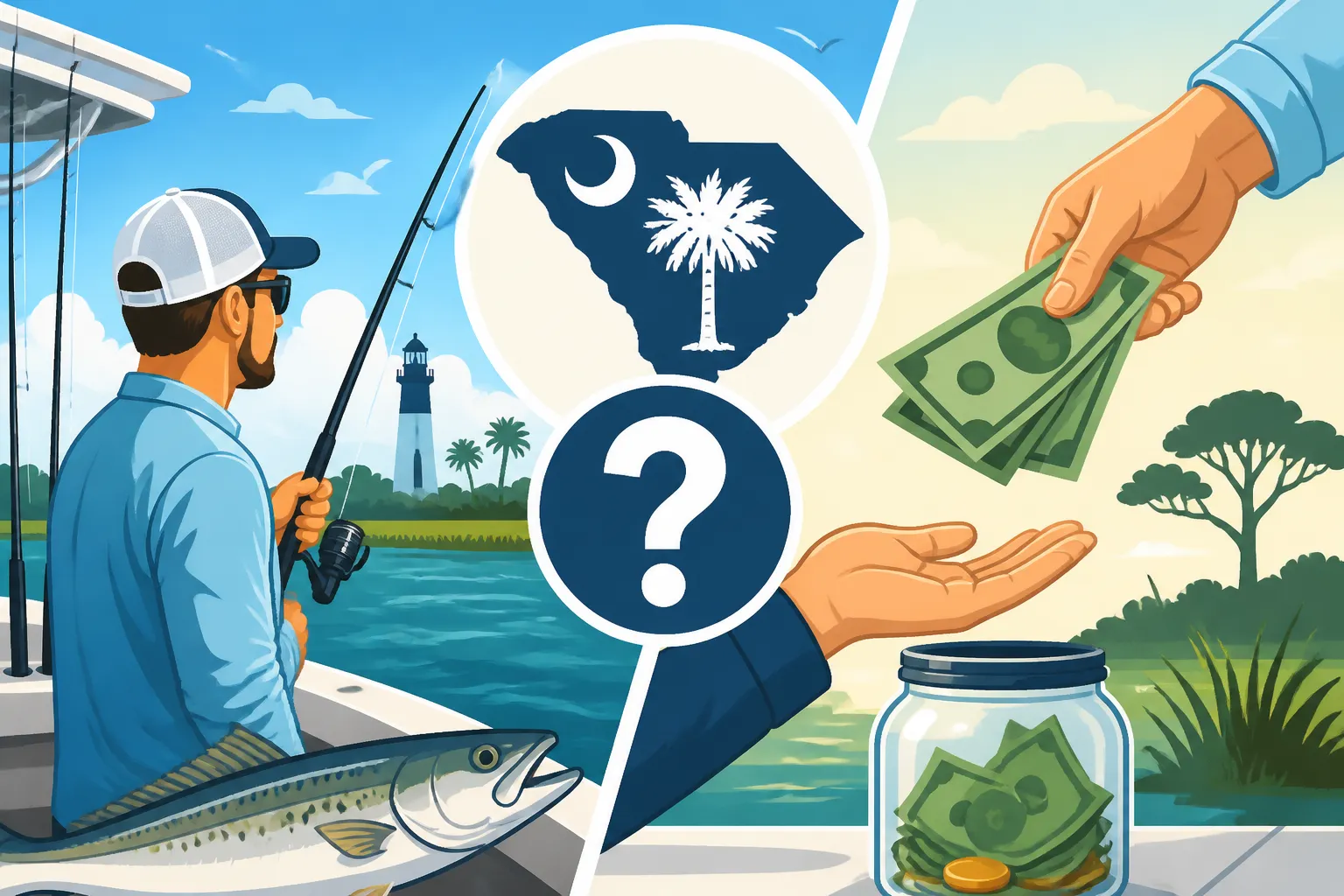
It’s a common moment of awkwardness when your incredible fishing charter comes to an end in the beautiful waters of South Carolina: you’ve had a fantastic time, maybe even caught your limit, and now it’s time to settle up. But then the question hits you – is tipping included in the price you already paid? Most folks don't want to appear ungenerous, nor do they want to overpay if it's already covered. This guide will clarify the standard practices for gratuity on South Carolina fishing charters, helping you navigate the end of your trip with confidence and appreciation.
Is Gratuity Part of Your South Carolina Fishing Charter Price?
The short and sweet answer is almost universally: no, tipping is generally not included in the upfront price of your South Carolina fishing charter. This might come as a surprise to some, especially if you're used to other service industries where an automatic gratuity is sometimes added for larger groups or specific events. However, the charter fishing world operates a bit differently, and understanding why can help you appreciate the value of a well-deserved tip.
Why Tipping Isn't Typically Included
Think about the passion and dedication that goes into being a professional fishing guide. It's not just a job; it's a lifestyle for many. Guides spend countless hours on the water, not just during your trip, but scouting locations, monitoring fish movements, maintaining their boat, and prepping all the gear. Their expertise, local knowledge, and hard work are what make your trip memorable, and a significant portion of their income often comes directly from the generosity of their clients through tips.
Unlike a restaurant where the waitstaff might earn a minimum wage, many charter captains and their mates rely heavily on gratuities to supplement their earnings. The base price of a charter covers the operating costs – things like fuel, bait, tackle, boat maintenance, insurance, and the guide's time – but it doesn't typically factor in their personal income in the same way. When you tip, you're directly acknowledging their effort, skill, and commitment to providing you with a top-notch experience. It’s a direct thank you for their hard work and for putting you on the fish. This industry standard is deeply ingrained, reflecting a long-standing tradition of recognizing exceptional service. For more on what's typically covered, you might find What's Included in a South Carolina Charter Fishing Trip helpful.
Understanding the "All-Inclusive" Misconception
When you see a South Carolina fishing charter advertised as "all-inclusive," it's easy to assume that means absolutely everything, including gratuity, is covered. However, in the context of charter fishing, "all-inclusive" almost always refers to the operational necessities for your trip, not the tip for the crew.
Typically, an "all-inclusive" charter will cover:
- Fishing Licenses: Often, the charter will operate under a blanket license, so individual anglers don't need their own. Check with your specific guide, but this is a common perk.
- Rods, Reels, & Tackle: All the necessary fishing equipment.
- Bait: Live or artificial bait, depending on the target species and technique.
- Coolers with Ice: For your drinks, snacks, and to keep your catch fresh.
- Safety Gear: Life vests, first aid, etc.
What it generally doesn't include is the gratuity for your captain and mate. If a charter does include gratuity, it will almost always be explicitly stated on their website, booking confirmation, or during your initial conversation. If it's not explicitly mentioned, you should operate under the assumption that a tip is expected and appreciated. Platforms like FishingBooker often provide a clear breakdown of what's included and what's not, and they are usually very transparent about whether gratuity is factored in. It’s always a good idea to check the details on the charter’s specific listing or reach out to the captain directly if you have any doubts. Knowing what to expect financially can really help you plan your trip, so you might want to look into South Carolina Charter Fishing Costs and Trip Types.
How Much to Tip Your South Carolina Fishing Guide
Deciding on the right amount to tip can feel like a guessing game, but there are some widely accepted guidelines in the charter fishing industry. The goal is to show appreciation for the hard work, knowledge, and effort put in by your guide and crew.
Standard Tipping Percentages
The general rule of thumb for tipping your South Carolina fishing charter guide and crew is 15-20% of the total charter price. This percentage is applied before any taxes or booking fees, based on the cost of the trip itself.
Let's look at an example to make this clearer:
| Charter Cost | 15% Tip | 20% Tip |
|---|---|---|
| $400 | $60 | $80 |
| $600 | $90 | $120 |
| $800 | $120 | $160 |
| $1,000 | $150 | $200 |
If you had an absolutely stellar day – maybe you hit your limit on redfish, the guide went above and beyond, or the kids had the time of their lives – a tip towards the higher end of that 20% range, or even a bit more, is a fantastic way to show your gratitude. On the flip side, if the experience was just "okay" but not bad, 15% is still a respectful gesture. It’s a good idea to mentally budget for this amount when you're planning your trip to places like Hilton Head or Charleston. Tipping Your South Carolina Fishing Guide provides even more detailed insights into this very topic.
What Influences Your Tip
While the 15-20% rule is a solid starting point, several factors can and should influence where your tip falls within or even outside that range. Remember, your tip isn't just about the number of fish you caught, but the entire experience the crew provided.
- Guide's Effort and Attitude: Did your guide work hard all day? Were they friendly, patient, and enthusiastic? A guide who constantly adjusts tactics, re-rigs lines, baits hooks, and makes sure everyone is having fun, regardless of the bite, deserves a higher tip.
- Local Knowledge and Expertise: Did the captain put you on fish by demonstrating deep understanding of the local waters, tides, and fish behavior? This kind of expertise is invaluable and comes from years on the water.
- Boat Cleanliness and Maintenance: Was the boat well-maintained, clean, and safe? A clean, organized vessel reflects a professional operation.
- Helpfulness of the Mate (if applicable): If there’s a mate on board, they often do a lot of the heavy lifting – rigging, netting fish, cleaning up, assisting anglers. A portion of your tip should definitely go to them. Sometimes the captain and mate split the tip, sometimes you might tip them separately if it's a larger crew, but generally, one lump sum for the crew is fine.
- Overall Experience: This is subjective, but it encompasses everything from the quality of the gear to the guide’s communication before, during, and after the trip. Did they offer to fillet your catch? Did they engage with kids and make it a family-friendly trip?
It’s crucial to understand that even on a slow fishing day, if the guide put in maximum effort, tried various spots, and maintained a positive attitude, they still deserve a good tip. They can’t control the fish, but they can control their effort and professionalism. If, however, the guide was disengaged, unhelpful, or seemed to lack effort, it's appropriate to adjust your tip downwards. While less common, in extremely rare cases of truly negligent or unprofessional service, withholding a tip might be justified, but always try to communicate your concerns directly if the situation allows.
When and How to Tip Your Crew
Once you've decided on the appropriate amount, the next question is how to actually give the tip. You want it to be smooth, respectful, and easy for both you and the crew.
Cash vs. Digital Payments
When it comes to tipping, cash is king. It’s the most universally appreciated method for several reasons:
- Directness: Cash goes directly into the pockets of your guide and mate without any processing fees or delays.
- Convenience: Guides often finish their day, clean up, and head home. Having cash means they don't have to wait for a digital transfer or deal with bank deposits.
- Splitting: If there's a mate, cash makes it incredibly easy for the captain to split the gratuity fairly on the spot.
It's a good practice to bring enough cash for your tip, ideally in smaller denominations, just in case you want to adjust the amount based on your experience.
While cash is preferred, some guides might also accept digital payment methods like Venmo or PayPal. It never hurts to ask before the trip ends if they have a preferred digital method, especially if you find yourself short on cash. However, don't assume they will, and be prepared with cash as your primary option. If you booked through a platform like FishingBooker, you might even find notes on their preferred tipping methods, or you can message the captain beforehand to inquire.
Timing Your Gratuity
The best time to offer your tip is at the very end of the trip, after you’ve docked, gathered your belongings, and the crew has finished any immediate tasks like filleting your fish.
Here’s how it usually plays out:
- After Docking and Cleanup: Once the boat is secured and any immediate post-trip duties (like hosing down the deck or filleting your catch) are done, the guide will likely approach you to thank you and see you off.
- A Simple Handshake and Thanks: As you thank your captain and crew for the great trip, discreetly offer the cash with a handshake and a genuine "Thank you, Captain, we had a fantastic time!" or "Here's a little something for you and your mate for all your hard work."
- Filleting Services: Often, your guide will offer to clean and fillet your catch. This is usually part of their service, and the quality of this work can also factor into your overall appreciation and tip. If they do an excellent job, it just reinforces a generous tip. Learn more about this service in Cleaning and Filleting Your Catch After a South Carolina Charter.
It’s a simple, straightforward exchange that shows your gratitude for a job well done. No need for a big show or grand announcement; a sincere thank you and a discreet handover are perfectly appropriate.
What Your Tip Truly Supports
When you give a tip, you’re not just handing over a few dollars; you’re contributing to a complex ecosystem of hard work, dedication, and significant overhead costs that keep your favorite South Carolina fishing guides afloat. Understanding this can make tipping feel less like an obligation and more like a meaningful investment in experiences you value.
Beyond the Fishing Trip: The Hidden Costs and Labor for Guides
Many anglers only see the hours spent on the water, but a guide's job extends far beyond the duration of your trip. Your tip helps to cover a myriad of "behind the scenes" expenses and labor that are critical to delivering a successful and safe outing.
Consider the following:
- Boat Maintenance: Boats require constant upkeep. This includes routine engine servicing, cleaning, repairs, waxing, and ensuring all safety equipment is up to code. These costs are substantial and never-ending.
- Gear Acquisition and Repair: Rods break, reels seize, lines snap, and hooks get lost. Guides are constantly replacing and repairing expensive fishing gear to ensure you have the best tools for the job.
- Fuel Costs: Running a boat, especially offshore, burns a lot of fuel, and prices fluctuate. Fuel is a major operating expense for any charter.
- Bait and Tackle: Live bait can be costly, and guides often spend time before your trip catching bait or sourcing it from local shops. Tackle, from lures to weights, is also a continuous expense.
- Scouting New Spots: A good guide doesn't just rely on old knowledge. They spend non-charter days scouting new fishing grounds, checking water conditions, and staying abreast of fish patterns to maximize your chances of success.
- Cleaning and Preparation: Before your trip, the boat is prepped, cleaned, and stocked. After your trip, there's a thorough cleaning, gear organization, and often fish filleting. This takes significant time and effort.
- Licenses and Permits: While your individual license might be covered, the captain holds various commercial licenses, permits, and insurance policies, all of which come with fees. For details on how licensing works, check out South Carolina Fishing License Guide.
When you leave a generous tip, you’re directly supporting a small business owner (or their crew) in covering these essential costs and ensuring they can continue to offer high-quality trips. It allows them to maintain their equipment, invest in better gear, and keep their operations running smoothly for future clients, perhaps even enabling them to take you out on the next great South Carolina fishing adventure.
Recognizing Exceptional Service
Finally, a tip is a powerful way to communicate your satisfaction and recognize exceptional service. While you're on the water, you might not realize the subtle ways a great guide enhances your experience:
- Patience with Beginners or Children: Explaining techniques, untangling lines, celebrating small catches – this takes a special kind of patience.
- Going the Extra Mile: Maybe they stayed out a little longer to help you land that last fish, or went out of their way to retrieve a lost lure.
- Educational Aspect: Sharing knowledge about the local ecosystem, the fish species, or casting techniques.
- Safety First: Ensuring everyone’s safety on board, especially when conditions are challenging.
A larger tip, or a tip at the higher end of the suggested percentage, sends a clear message: "You did an outstanding job, and we truly appreciate it!" This positive feedback is invaluable to guides, boosting their morale and encouraging them to continue providing excellent service to every client. It's a way of saying "thank you" that truly resonates and helps to ensure the vibrant South Carolina charter fishing community thrives. For a comprehensive overview of how gratuity works in South Carolina, reading South Carolina Charter Fishing Gratuity Explained would be highly beneficial.
Disclaimer
This article is for general informational purposes only and does not constitute professional advice. Laws, prices and regulations vary by location and change over time. Consult a qualified professional for guidance on your specific situation.