Wading In Below the Shoals on the Broad River
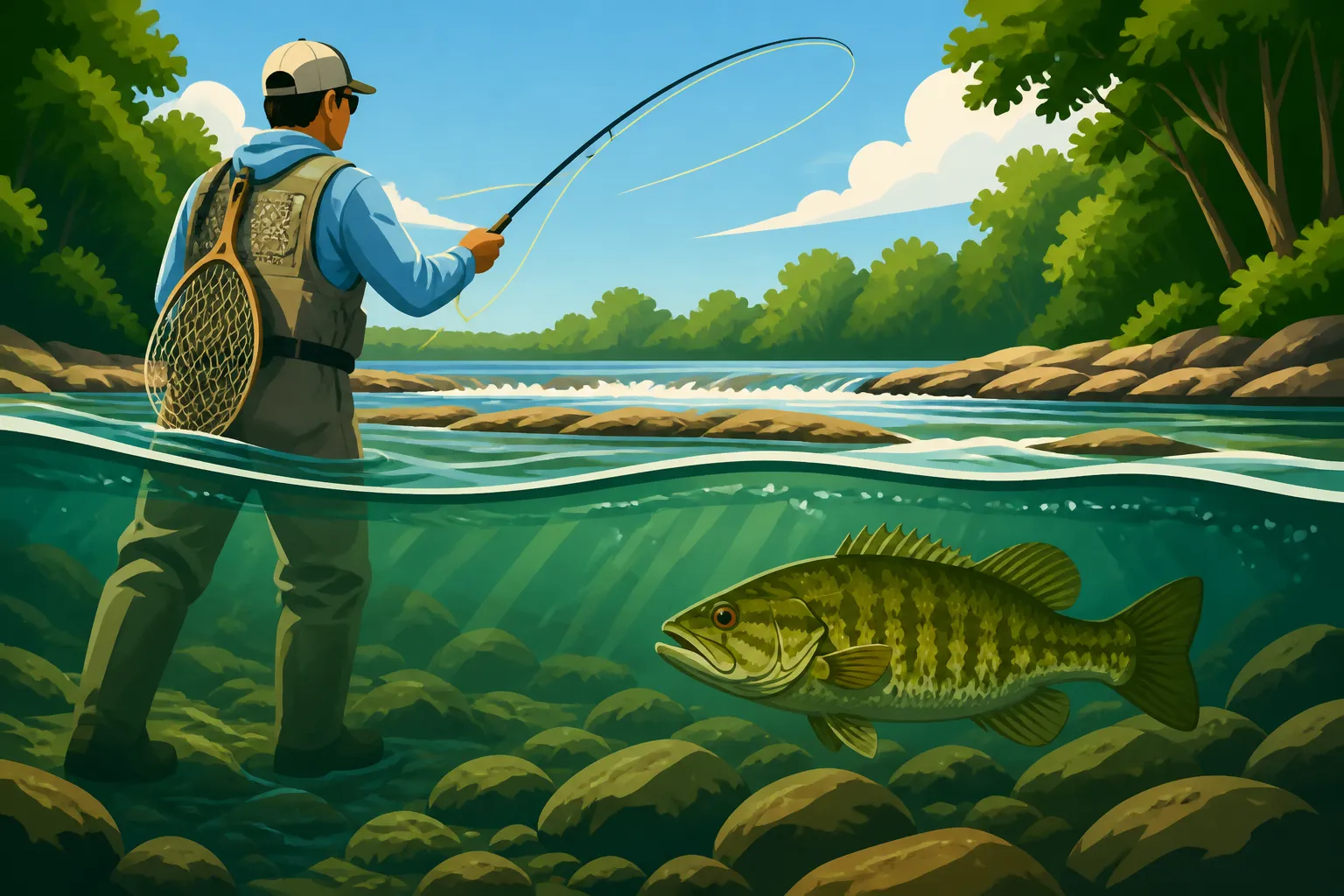
There’s a unique satisfaction that comes from feeling the cool current wrap around your waders, the sound of rushing water a constant companion as you carefully pick your footing across a rocky riverbed. For many anglers, the idea of wading into a major river like the Broad River in South Carolina, especially below its famed shoals, can feel a bit daunting. It’s not your average pond fishing, that's for sure. But I’m here to tell you that these very stretches, often overlooked by those sticking to boats, hold some incredible opportunities and truly rewarding experiences. This guide is all about helping you understand how to navigate, appreciate, and successfully fish these dynamic waters.
Understanding the Broad River Shoals Environment
The Broad River, a significant waterway flowing through the heart of South Carolina, is known for its diverse character, from placid stretches to those exhilarating, rocky shoals. When we talk about "wading in below the shoals," we're focusing on those transition zones where the river's energy begins to mellow out after tumbling over rocky formations. These aren't just pretty spots; they are incredibly productive ecosystems, funneling nutrients and creating diverse habitats that fish absolutely thrive in.
The Dynamics of Water Flow and Habitat Creation
Below the shoals, the Broad River undergoes a fascinating transformation. The fast-moving, aerated water from the rapids slows down, but not entirely. You'll find a complex tapestry of currents, eddies, and slack water areas. The riverbed itself changes dramatically; the exposed bedrock and scattered boulders from the shoals give way to deeper pools, gravel bars, and often, submerged structure like fallen trees or rock piles. This varied topography is key to why these areas are so rich in fish.
Think about it from a fish's perspective. The main current provides a conveyor belt of food, from insects dislodged upstream to smaller baitfish swept along. Yet, the fish don't want to expend energy fighting that current all day. So, they seek out those current breaks—the eddies behind a large boulder, the calmer water along a deep bank, or the slower flow directly downstream of a gravel bar. These spots offer a perfect blend of easy access to food and shelter from the relentless push of the river. As a wading angler, learning to "read" the water and identify these subtle changes in flow and structure is perhaps the most crucial skill you can develop. It’s a bit like solving a puzzle with the river as your guide.
Seasonal Changes and Their Impact on Wading
Just like any natural environment, the Broad River below the shoals is constantly in flux, dictated by the seasons. Each season presents its own set of opportunities and challenges for the wading angler. In spring, as waters warm, many species become incredibly active, pushing into shallower areas to spawn. This can be an amazing time for bass, as they become more aggressive and predictable. However, spring can also bring higher water levels and stronger currents due to increased rainfall, making wading more challenging and potentially hazardous. Always check conditions before heading out.
Summer often means lower, warmer water, which can concentrate fish in deeper pools or areas with more current where oxygen levels are higher. Early mornings and late evenings become prime fishing times, as fish are more active when temperatures are cooler. Fall brings stable water levels and a renewed feeding frenzy as fish prepare for winter, offering some of the best fishing of the year. Winter wading can be tough due to cold temperatures and potentially sluggish fish, but the rewards can be big, especially for those hardy anglers targeting larger, less pressured fish in deep, slow-moving pools. Each season truly requires a slight adjustment in your approach, from your clothing to your choice of lures.
Best Wading Spots and Access Points Below the Shoals
Finding the right spot to safely and effectively wade into the Broad River below the shoals is half the battle. This isn't a "secret spot" kind of guide, but rather an exploration of general areas and how to approach finding your own productive water. Public access points are key, and understanding what to look for once you're there will significantly improve your experience.
Popular Public Access Points
The Broad River boasts several well-known public access points that can serve as excellent starting points for your wading adventure. One prime example is the Parr Shoals Public Access, located near Jenkinsville. This area provides access below the Parr Shoals, a significant stretch of rapids. Here, you'll find parking and often a boat ramp, which makes for easy entry. From the ramp, you can usually work your way up or downstream, looking for those slower stretches, eddies, and gravel bars.
Another notable area is Broad River Access at Peak, which provides entry points further downstream. The river here tends to be wider, but still retains those fascinating current breaks and varying depths that make wading so appealing. Always do your homework beforehand. Check the South Carolina Department of Natural Resources (SCDNR) website or apps for specific access points, parking availability, and any notices regarding river conditions. Using resources like FishingBooker can sometimes help you identify local guides who can point out specific, lesser-known entry spots, though their primary focus is usually on guided boat trips. Even if you're going it alone, looking up local guides can give you a general idea of productive zones.
Identifying Productive Wading Areas
Once you're at an access point, the real adventure begins: identifying those honey holes from the bank. Start by looking for changes in water flow. Riffles and shallow runs can hold baitfish, attracting predators. Deeper pools, especially those with current breaks formed by large rocks, submerged logs, or sharp bends in the river, are classic holding spots for bass and catfish. Pay attention to the seams where fast water meets slow water; these are ambush points for many species.
Gravel bars are fantastic, as fish will often congregate on their downstream side, and they offer relatively easy walking. Areas where smaller creeks or tributaries enter the main river are also goldmines, as they can bring in cooler, oxygenated water and additional food sources. Don't be afraid to walk a bit. Often, the best spots are a short hike from the immediate access point, where the river sees less pressure. Safety first, of course: scout your route, check depth and current, and wear appropriate footwear. I once found an incredible eddy behind a massive submerged boulder at the Broad River Access near Peak, simply by walking about a quarter-mile downstream from the parking area. It looked unassuming from the bank, but the subtle current break and deeper water held some fantastic bass.
Target Species and Effective Techniques for Wading Anglers
The beauty of wading the Broad River below the shoals is the incredible variety of fish you can encounter. From feisty bass to powerful catfish, there's something for every angler. Knowing what you're targeting and how to effectively present your bait or lure can make all the difference.
Battling Broad River Bass
The Broad River is a fantastic destination for bass, primarily largemouth and spotted bass, with smallmouth bass sometimes found further upstream in cooler waters. For wading anglers, lightweight spinning gear or a medium-action casting setup is ideal. A 6'6" to 7' medium-heavy rod paired with a reel spooled with 10-15 lb fluorocarbon or braided line offers versatility.
When targeting bass from a wading position, precision casting is often key. You’re typically trying to hit those specific current breaks, eddies, or pockets of slack water around structure. Spinnerbaits are excellent for covering water and eliciting reaction strikes, especially in stained water or around submerged cover. Try chartreuse and white or natural baitfish patterns. Crankbaits that dive to different depths can also be very effective, mimicking baitfish fleeing the current. For a more subtle approach, Texas-rigged or Carolina-rigged soft plastics (like worms or creature baits) are superb for probing deeper pools or working slowly around submerged timber. They allow you to feel the bottom and detect subtle bites without getting snagged as often. Remember to always approach quietly; vibrations travel far in water, and you don't want to spook the fish you're trying to catch.
| Species | Primary Lures/Baits | Prime Conditions for Wading | Key Areas to Target |
|---|---|---|---|
| Largemouth Bass | Spinnerbaits, Crankbaits, Soft Plastics (worms/creatures) | Stable water levels, warmer temps (spring/fall) | Eddies, submerged timber, slack water pockets |
| Spotted Bass | Small Crankbaits, Jigs, Grubs, Topwater (dawn/dusk) | Clearer water, moderate current | Rock piles, current seams, upstream of boulders |
| Channel Catfish | Cut bait, Liver, Dough balls | Slower currents, deeper holes | Downstream of shoals, deep bends, slack water |
| Flathead Catfish | Live bait (bluegill, shad) | Night fishing, deeper log jams | Heavy cover, deep structure in slow current |
| Sunfish/Bream | Worms, Crickets, Small Jigs | Shallow, calmer areas | Bankside vegetation, calm pockets, lily pads |
Catfish and Panfish Opportunities
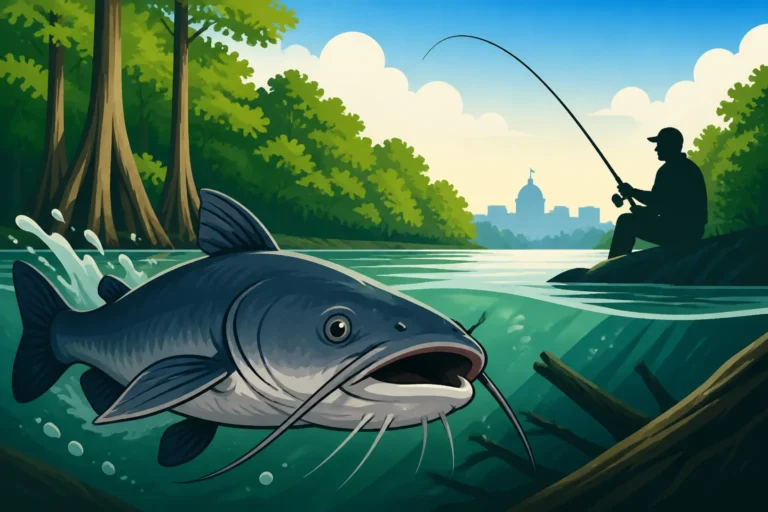
Beyond bass, the Broad River below the shoals is a phenomenal fishery for catfish and panfish. Channel catfish are abundant and offer a strong fight. For these whiskered warriors, bottom-fishing is the name of the game. A simple Carolina rig with a circle hook, baited with cut shad, chicken liver, or even prepared stink baits, is highly effective. Look for them in deeper holes, especially where the current slows down after a riffle or around major bends. I've had incredible success targeting channel cats below the Parr Shoals, setting up near a deep cut and letting my bait soak while I cast for bass further upstream.
Flathead catfish, the river's true bruisers, prefer live bait. A frisky bluegill or a medium-sized shad, presented on a stout Carolina rig, can entice a trophy flathead, especially during twilight hours or at night. Be prepared for a serious battle if you hook into one of these. Panfish, including various sunfish species like bluegill and redbreast sunfish, are perfect for lighter tackle and a relaxed day of fishing. Small hooks, a bit of split shot, and a worm or cricket under a bobber in a calm, shallow pocket near the bank will almost guarantee action, making it a perfect outing for beginners or families. Just remember to check the specific regulations for South Carolina's Freshwater Fishing Regulations before you head out, to ensure you're compliant with all the rules.
Essential Gear and Safety for Broad River Wading
Wading a river, especially one as powerful and dynamic as the Broad, requires more than just your typical fishing gear. Safety should always be your number one priority. Being prepared means having the right equipment and understanding the potential risks.
Waders, Footwear, and Essential Apparel
First and foremost, a good pair of chest waders is absolutely non-negotiable. Neoprene waders are great for cooler weather, providing insulation, while breathable waders are perfect for warmer months. More important than the waders themselves, perhaps, are your wading boots. These need to be sturdy, comfortable, and provide excellent traction on slippery, rocky bottoms. Felt soles are traditionally excellent for grip on wet rocks, though rubber soles with studs or aggressive tread patterns are also popular and can be better for muddy banks. Avoid smooth-soled boots at all costs. I’ve learned this the hard way after a rather undignified slip in a less-than-ideal pair of boots.
Beyond waders and boots, consider layering your clothing. Even on a warm day, the water can be surprisingly cool, and conditions can change quickly. A waterproof, breathable jacket is always a good idea. A hat and polarized sunglasses are essential not only for sun protection but also for seeing into the water, helping you spot structure and navigate hazards. And don't forget a small, waterproof backpack or sling pack to carry essentials. You can find many options for this type of gear on platforms like FishingBooker, which sometimes list recommendations for what to bring on a trip.
Safety Equipment and Best Practices
Safety on the river cannot be overstated. The Broad River below the shoals can have strong currents, sudden drop-offs, and slippery rocks. A wading staff is an absolute must-have. It acts as a third point of contact, helping you maintain balance and probe the depth of the water before taking a step. Always face upstream when wading, shuffling your feet rather than lifting them high, and never wade alone if possible. If you must wade alone, make sure someone knows exactly where you are going and when you expect to return.
A personal flotation device (PFD) is another crucial piece of safety gear, especially if you plan to wade in deeper or faster sections. Even strong swimmers can be quickly overwhelmed by a powerful current or a sudden fall. Carry a knife for emergencies, a whistle to alert others, and a fully charged cell phone in a waterproof case. Understanding the river's behavior is also a key safety measure. Check river levels and flow rates online before you go, and if the water looks too high or too fast, err on the side of caution. It's always better to live to fish another day. For those who are new to wading, considering a guided trip, even if just for a few hours, could be beneficial. Many experienced guides on FishingBooker offer bank or wade-fishing outings and can provide invaluable insights into safe river navigation. This is also a good opportunity to understand the local nuances of South Carolina's Senior Fishing License Guide if you qualify, or generally where to buy a fishing license in South Carolina if you haven't already.
Essential Fishing Gear for Wading
When wading, portability and efficiency are key. You can't carry a full tackle box with you. Opt for a small, well-stocked tackle bag or vest that allows easy access to your most-used lures, extra line, and tools. A pair of fishing pliers and line clippers should always be within reach. I typically carry a small selection of jig heads, soft plastics, a few spinnerbaits, and a couple of shallow-diving crankbaits. For bait fishing, pre-rigging a few leaders can save time and frustration on the water.
Finally, consider a small, lightweight net or a lip grip tool. It makes landing fish much easier and safer, especially when you're standing in moving water. If you plan on keeping fish, a stringer or a small cooler that you can secure to your person (or leave on the bank in a safe spot) is important. Remember, the less you have to carry, the more freely you can move and enjoy the unique challenge and reward that comes from wading the Broad River below its shoals. If you’re looking for different perspectives on gear, you might also find useful tips in articles about South Carolina Bass Fishing Techniques by Season or Best Bank Fishing Spots in South Carolina, as much of the advice on gear crosses over.
Disclaimer
Please note that fishing regulations and conditions can change. Always check the latest South Carolina Department of Natural Resources (SCDNR) regulations before you head out. This guide is for informational purposes only and does not guarantee fishing success or safety. Always prioritize personal safety and environmental responsibility.