Best Inshore Fishing Spots Along the South Carolina Coast
It’s easy to feel overwhelmed when you’re staring at a map of the South Carolina coast, wondering where to even begin your inshore fishing adventure. With miles of winding tidal creeks, expansive marsh grass, and intricate estuaries, figuring out the absolute best spots to target redfish, speckled trout, and flounder can feel like a daunting task. This guide is designed to cut through that confusion, helping you pinpoint the most productive inshore fishing spots along the South Carolina coast, from the bustling harbors to the quiet, hidden backwaters.
Understanding South Carolina's Inshore Playground
South Carolina's coastline is a unique tapestry of shallow, nutrient-rich waters that provide an ideal habitat for a wide array of desirable inshore species. It’s not just about throwing a line in; it's about understanding the ecosystem.
What Makes SC's Inshore Waters So Special?
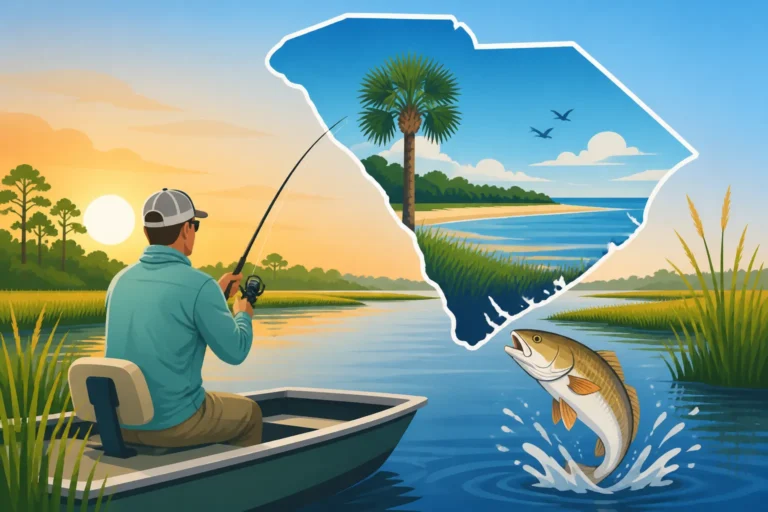
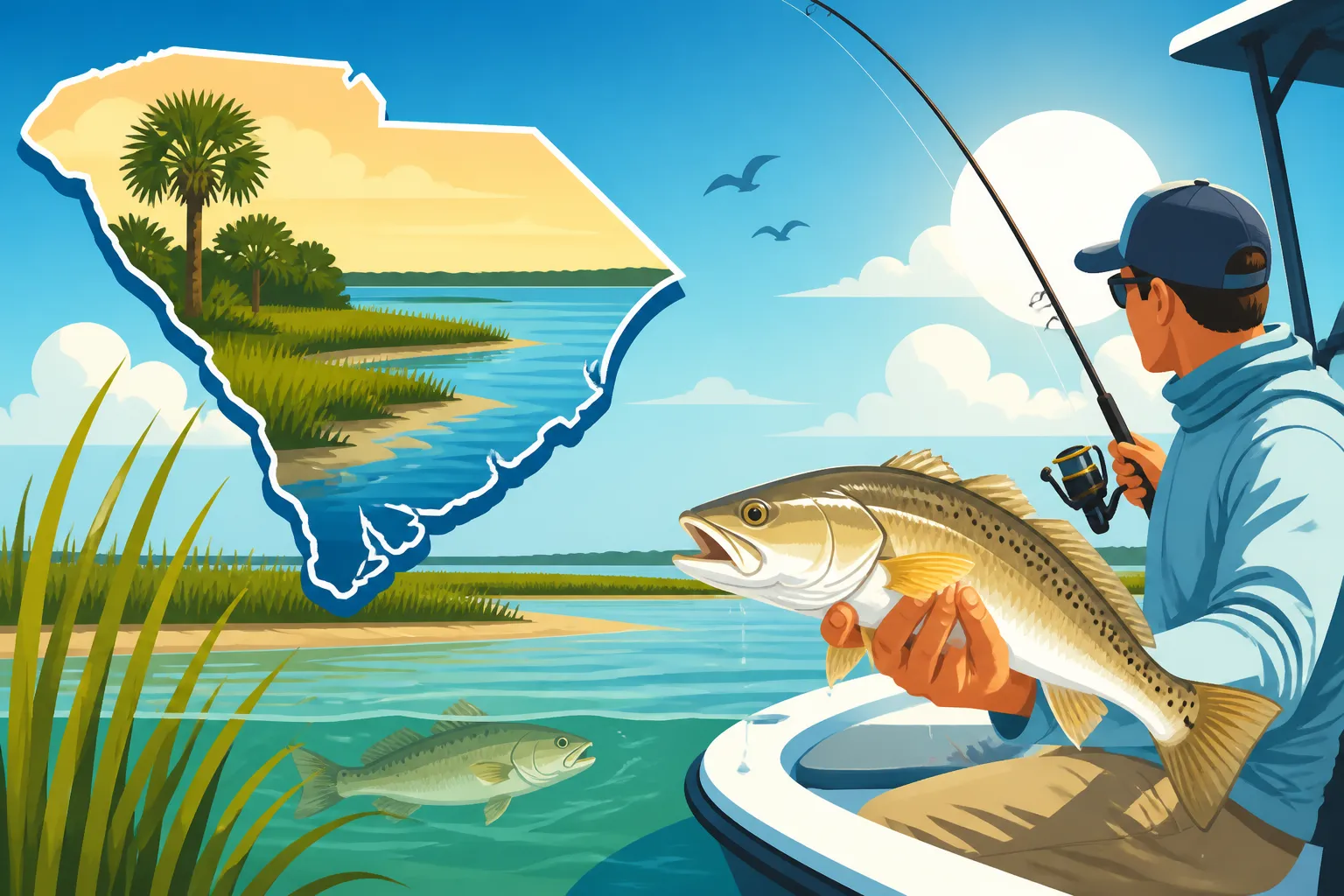
Our inshore waters, particularly the expansive estuarine systems, are truly something to behold. They’re a dynamic mix of freshwater runoff and saltwater tides, creating a brackish environment that marine life absolutely thrives in. You’ve got endless acres of spartina grass, which isn't just pretty to look at; it's the nursery ground for countless species, providing shelter and a buffet of smaller baitfish and crustaceans. Think of it as a massive underwater apartment complex for fish.
These tidal creeks, salt marsh flats, and oyster beds are constantly changing with the ebb and flow of the ocean. This constant movement dictates where the fish are, what they’re eating, and how accessible they are. It’s what makes South Carolina's inshore fishing so exciting – and sometimes, a little challenging. But once you start to understand the rhythm of the tides and the layout of these natural structures, you’ll unlock some truly incredible fishing opportunities.
Key Species You'll Encounter
When you’re out on South Carolina's inshore waters, there are a few star players you’re almost guaranteed to run into, and they’re all fantastic targets for light tackle anglers.
The undisputed champion of the Lowcountry is the Redfish, also known as Red Drum. These bronze beauties are hard fighters and often found tailing in shallow grass flats or cruising oyster beds, looking for a meal. Their slot limits are something every angler needs to know, like the South Carolina Redfish Slot Limit 18 to 25 Inches, which helps protect the breeding stock. Then there's the elegant Spotted Seatrout, with their iridescent spots and sharp teeth. They love ambush points in creeks and along grass lines. Finally, you have the cunning Flounder, masters of camouflage, lying in wait on sandy bottoms or near structure, ready to snatch up a passing baitfish. Beyond these three, you’ll also find tough-fighting Sheepshead around pilings and oyster structures, and various Drum species. Each of these fish requires a slightly different approach, but they all contribute to the rich diversity that makes our inshore waters legendary.
Top Inshore Fishing Destinations by Region
South Carolina's coast stretches for hundreds of miles, and while the general characteristics of inshore fishing remain, each region offers its own unique flavor and hot spots.
The Lowcountry's Labyrinth: Charleston, Hilton Head, and Beaufort
When most people think of South Carolina inshore fishing, they're probably picturing the vast, intricate waterways of the Lowcountry. This region, encompassing areas like Charleston, Hilton Head Island, Beaufort, and the surrounding marshlands, is a true angler's paradise.
Charleston Harbor and Surrounding Estuaries: Charleston offers an incredible array of inshore opportunities. The harbor itself is a massive estuary, fed by rivers like the Ashley, Cooper, and Wando, creating a diverse environment. You can find robust populations of redfish, speckled trout, and flounder in the countless tidal creeks that branch off the main harbor. Spots like Shem Creek in Mount Pleasant are famous, not just for restaurants, but for the fishing access and the sheer volume of baitfish that congregate there. Anglers frequently target the docks, oyster beds, and marsh edges around Mount Pleasant Redfish and Trout Fishing Spots, using live shrimp or artificial lures. For a deeper dive, check out the article on Charleston Harbor Fishing Spots for South Carolina Anglers. The sheer complexity of this area means that guides are often invaluable here, knowing exactly where the fish are hiding during different tides. If you're considering a guided trip, platforms like FishingBooker can help you find experienced local captains.
Hilton Head Island and Bluffton's Tidal Creeks: Further south, Hilton Head Island and the nearby town of Bluffton boast a similarly rich network of tidal creeks and estuaries. The Calibogue Sound, May River, and numerous smaller creeks offer prime habitat. Redfish are often found tailing in the shallow grass flats around dawn and dusk, particularly on incoming tides when they're rooting for fiddler crabs. Spotted seatrout are plentiful in deeper bends of creeks, especially when the water cools down. Flounder often lie in ambush around creek mouths and oyster shells. Many Hilton Head Island Fishing Charters, South Carolina focus on these productive waters, providing both beginners and experienced anglers a chance at a great day. These guides know the subtle nuances of the currents and the intricate maze of marsh grass.
Edisto Island and Smaller Coastal Towns: For those seeking a slightly more tranquil experience, areas like Edisto Island offer equally fantastic, though perhaps less crowded, inshore fishing. The Edisto River, one of the longest free-flowing blackwater rivers in North America, eventually meets the ocean here, creating a unique brackish environment. The tidal creeks and oyster reefs around Edisto are phenomenal for redfish and trout. It’s a place where you can truly get lost in the beauty of the Lowcountry while casting for your next trophy. The key here, as in all these Lowcountry spots, is understanding how the tide is moving bait in and out of the marsh.
Grand Strand's Hidden Gems: Myrtle Beach to Pawleys Island
Moving north, the Grand Strand region, famous for Myrtle Beach, also holds its own secrets for inshore anglers, though the environment might feel a bit different from the Lowcountry. While the wide sandy beaches are perfect for Myrtle Beach Surf Fishing Spots in South Carolina, the real inshore action happens in the backwaters.
Murrells Inlet: This is arguably the crown jewel of inshore fishing on the Grand Strand. Murrells Inlet is a thriving saltwater estuary with countless creeks, channels, and oyster beds. It’s a haven for redfish, flounder, and speckled trout, with a reputation for producing some truly impressive catches. Anglers can fish from kayaks, small boats, or even from the bank in certain areas. Live bait, especially mud minnows or shrimp, fished on a Carolina rig or under a popping cork, are deadly here. The jetties at the inlet mouth also provide excellent fishing for various species, including sheepshead and even large red drum during certain times of the year. The local fishing community is vibrant, and you'll find plenty of opportunities for Murrells Inlet Inshore Fishing Charters if you prefer a guided experience.
Intracoastal Waterway (ICW) and Adjacent Creeks: The Intracoastal Waterway (ICW) provides a superhighway for many fish species, and its numerous feeder creeks and ditches offer excellent fishing. While not as natural as the expansive Lowcountry marshes, these areas still hold plenty of fish. Look for structure along the ICW, like docks, bulkheads, and bridge pilings. The creeks that connect to the ICW, especially those with good tidal flow and oyster beds, are often overlooked but can be incredibly productive for trout and smaller redfish. It's often a case of slowing down and exploring these less obvious spots that pays off.
Little River Inlet and Calabash: On the northern end of the Grand Strand, near the North Carolina border, Little River Inlet and the Calabash area offer fantastic inshore fishing, sharing some characteristics with both states' waters. These waters are well-known for their flounder populations, especially during the warmer months when they migrate inshore. The numerous creeks and channels around Little River provide ample opportunities for targeting redfish and trout as well. Due to its proximity to the border, anglers often ask about South Carolina Fishing License Reciprocity With North Carolina, a common concern for those exploring these waters.
Navigating the Tides and Techniques for Inshore Success
Understanding where to fish is only half the battle. Knowing when and how to fish makes all the difference in South Carolina's dynamic inshore environment.
Tides and Currents: Your Best Friend
If you’re going to be a successful inshore angler in South Carolina, you absolutely must learn to read the tides. The ebb and flow of the ocean are the lifeblood of our estuaries, dictating fish behavior more than almost any other factor. Trying to fish a vast marsh at dead low tide can be frustrating; the fish simply won't be there, or they'll be concentrated in deep creek holes where they're harder to reach.
Incoming Tide: As the tide rises, it pushes baitfish, shrimp, and crabs up into the grass flats, creating feeding opportunities for redfish and trout. This is often the best time to target "tailing" redfish in very shallow water, as they tip down to root for crustaceans. On an incoming tide, focus on creek mouths, oyster rakes, and the edges of marsh grass. As the water floods the flats, fish will spread out, making stealth and accurate casting crucial. Many experienced anglers understand that Does Tide Timing Matter for South Carolina Redfish, and the answer is a resounding yes!
Outgoing Tide: As the tide falls, it pulls all that bait back out of the marsh, funneling it through creek channels and past ambush points. This can be an excellent time to target trout, which will often stage in deeper holes or along creek bends, waiting for an easy meal to be flushed out. Flounder also love to position themselves on the bottom at creek mouths or along channel edges, where they can easily grab passing bait. As the water level drops, exposed oyster beds become natural funnels, concentrating both bait and predators. Understanding how to fish an outgoing tide for trout is a key skill for many inshore anglers.
Slack Tide: This is the period around high or low tide when the water movement is at its slowest. While some fish might be less active, it can be a good time to target sheepshead around pilings or bridge fenders, as they often prefer less current. Some anglers find success with artificials during slack tides, as the slower movement allows for more subtle presentations. However, for active feeding, most will tell you the moving tide is where it's at.
Essential Gear and Bait for Inshore Anglers
You don't need a boatload of fancy equipment to get started, but having the right tools for the job will certainly increase your chances of success.
Rods and Reels: For most inshore fishing in South Carolina, a medium-light to medium action spinning rod, around 7 feet long, paired with a 2500 or 3000 series spinning reel, is perfect. This setup gives you enough power to handle a feisty redfish but is light enough to cast artificial lures all day without fatigue. Spool your reel with 10-15 lb braided line, which offers superior casting distance and sensitivity, and a fluorocarbon leader (20-30 lb test) for abrasion resistance and stealth.
Baits for Success:
- Live Bait: This is often the most effective for redfish, trout, and flounder. Live shrimp, mud minnows, and finger mullet are readily available at local bait shops throughout the state. Fishing a live shrimp under a popping cork is a classic and deadly technique for both redfish and trout, especially when you know the South Carolina's 10-Fish Spotted Seatrout Daily Limit Explained. Mud minnows or small mullet fished on a Carolina rig are excellent for flounder and redfish hugging the bottom.
- Artificial Lures: Soft plastic jerkbaits, paddle tails, and grub tails, often fished on a jig head, are incredibly versatile. Colors like chartreuse, white, and "new penny" are perennial favorites. Hard plastic topwater lures can provide explosive strikes from redfish and trout during low light conditions, while spoons and spinnerbaits are effective search baits. When considering a trip, especially with a guide, you might find that much of this gear is provided. For example, many captains on FishingBooker listings will specify what gear and bait are included in their trip cost, making it easier for you to plan.
Planning Your Inshore Adventure
Deciding to explore South Carolina's inshore fishing is a fantastic choice, but a little planning goes a long way in ensuring a successful and enjoyable trip.
Deciding Between DIY and Guided Trips
This is a common dilemma for many anglers, especially if you're new to the area or even new to saltwater fishing.
DIY (Do It Yourself): If you have your own kayak or small boat, and some experience navigating tidal waters, a DIY trip can be incredibly rewarding and cost-effective. The sense of accomplishment when you find the fish on your own is unbeatable. However, it requires a good understanding of local regulations, tides, and navigation, especially in the confusing maze of Lowcountry marsh creeks. You'll need to source your own bait, gear, and have a good understanding of boat ramps and access points. For those fishing from shore, some of the best bank fishing spots in South Carolina can offer surprisingly good action, but access can be limited. Don't forget that you'll need to secure your own South Carolina Fishing License Guide before you hit the water.
Guided Trips/Charters: For many, especially visitors or those looking to maximize their chances of catching fish, a guided trip is the way to go. A good inshore guide knows the local waters like the back of their hand – where the fish are holding based on the tide, what baits they're hitting, and how to navigate the complex channels safely. They provide all the gear, bait, and often even handle your fishing license requirements as part of the charter (though always confirm this upfront). This means less hassle for you and more time fishing. They can also teach you valuable techniques specific to the region. Services like FishingBooker specialize in connecting anglers with experienced local guides and captains across the South Carolina coast, making it simple to find an expert who can put you on the fish. This is particularly useful for those targeting specific species like redfish or flounder, as you can find a guide specializing in those South Carolina Redfish Charter Fishing Trips or Flounder Fishing Charters in South Carolina.
Essential Prep: Licenses and Regulations
No matter how you choose to fish, understanding the rules and having the proper documentation is non-negotiable. Wildlife enforcement officers are out there, and they take regulations seriously to protect our precious natural resources.
Fishing Licenses: If you're 16 years or older, you absolutely need a South Carolina Fishing License Requirements in South Carolina to fish in our waters. This applies whether you're fishing from your own boat, a kayak, or even from the shore. If you're on a licensed charter boat, the captain's license usually covers everyone on board, but it's always smart to confirm this when booking. You can easily purchase a license online through the SC Department of Natural Resources (SCDNR) website, or at many local tackle shops and sporting goods stores. Make sure you get the correct type of license (freshwater, saltwater, or a combination, depending on where you plan to fish).
Bag Limits and Size Restrictions: Beyond the license, you need to be aware of the specific regulations for each species you plan to target. South Carolina has strict rules on how many fish you can keep (bag limits) and how big they need to be (size limits). For example, the South Carolina Redfish Slot Limit Rules for South Carolina Anglers are crucial to understand, as are the regulations for speckled trout and flounder. These rules are in place to ensure sustainable fishing for future generations. Always check the latest SCDNR regulations booklet or website before your trip, as these can change. Ignorance of the law is never an excuse for a violation, and the Penalties for Fishing Without a License in South Carolina can be quite hefty.
By preparing properly and respecting the local ecosystem, you're not just ensuring a legal trip, but you're contributing to the health and vitality of South Carolina's incredible inshore fisheries for everyone to enjoy for years to come.
Comparing Top South Carolina Inshore Fishing Spots
To give you a clearer picture, here's a quick comparison of some of the prime inshore fishing spots along the South Carolina coast. This table highlights typical target species and general characteristics, helping you decide where to focus your efforts.
| Fishing Spot | Primary Target Species | Key Characteristics | Ideal for | Access (Boat/Kayak/Shore) |
|---|---|---|---|---|
| Charleston Harbor | Redfish, Spotted Seatrout, Flounder | Extensive marsh, tidal creeks, deep channels, oyster beds | Diverse fishing, guided trips | All |
| Hilton Head Island | Redfish, Spotted Seatrout, Flounder | Wide, shallow grass flats, numerous tidal creeks, strong tidal flow | Tailing redfish, sight fishing | All |
| Murrells Inlet | Redfish, Flounder, Spotted Seatrout | Well-defined inlet, jetties, oyster-rich backwaters, ICW access | Beginners, live bait fishing, jetty fishing | All |
| Edisto Island | Redfish, Spotted Seatrout, Flounder, Drum | Undeveloped marsh, blackwater river influence, quieter creeks | Secluded fishing, kayak anglers | Boat/Kayak/Limited Shore |
| Mount Pleasant | Redfish, Spotted Seatrout, Flounder | Close to Charleston Harbor, Shem Creek, docks, bridge pilings | Convenient access, varied structure | All |
| Little River Inlet | Flounder, Redfish, Spotted Seatrout | Northernmost inlet, clear channels, good flounder grounds, NC border access | Flounder specialists, near NC border | Boat/Kayak/Limited Shore |
Disclaimer
Please remember that fishing regulations, including license requirements, bag limits, and size restrictions, can change. Always consult the official South Carolina Department of Natural Resources (SCDNR) website or the latest regulations guide before your fishing trip to ensure you are compliant with current laws. The information provided in this guide is for general informational purposes only and should not be considered legal advice.