Checking a Stream’s Trout Limit Before You Fish It
It's incredibly frustrating, isn't it? You've got your gear ready, your favorite South Carolina stream in mind, and you're just about to head out the door, but then that nagging question hits you: "What's the trout limit for this specific stream today?" It feels like regulations change faster than the weather sometimes, and what was perfectly legal on one creek might land you a hefty fine on another just a few miles away. This guide is here to cut through that confusion, helping you understand why trout limits vary so much and, most importantly, how to confidently check the rules before you even make your first cast.
Why Trout Limits Vary So Much in South Carolina Streams
South Carolina's trout fishery, particularly in the Upstate, is a precious resource. Unlike some larger, more stable fisheries, trout streams are often sensitive ecosystems, and their regulations reflect a delicate balance between angler enjoyment and critical conservation. It's not just arbitrary numbers; there's a lot of science and environmental consideration behind every rule.
Understanding Different Trout Species and Their Needs
When we talk about trout in South Carolina, we're primarily looking at a few key players, and their biological needs greatly influence the regulations. We have our native brook trout, which are incredible, vibrant fish that have called these mountain streams home for centuries. Then, we have stocked rainbow trout and brown trout, which are often introduced by the South Carolina Department of Natural Resources (SCDNR) to enhance fishing opportunities. Native brook trout populations are often more fragile and sensitive to fishing pressure, habitat changes, and water quality. Because they are slower-growing and less numerous, streams containing them often have stricter limits, or are even designated as catch-and-release only. On the other hand, streams heavily stocked with rainbow or brown trout might have more liberal harvest limits to provide a put-and-take fishery experience for anglers, where catching and keeping a few fish is encouraged.
The Impact of Habitat and Water Quality
The health of a stream's ecosystem plays a massive role in how many fish it can support and, therefore, what the harvest limits should be. Factors like water temperature, dissolved oxygen levels, food availability, and the presence of natural cover (like fallen trees or undercut banks) all contribute to a stream's carrying capacity. If a stream has excellent water quality and abundant habitat, it might be able to sustain a higher population of trout and thus allow for a more generous limit. Conversely, a stream that's experiencing environmental stress – perhaps from drought, pollution, or excessive runoff – might see its trout population dwindle, leading to reduced limits to protect the remaining fish. This is why you'll often see distinct differences in regulations between, say, a pristine, high-elevation mountain stream and a lower-elevation river that might be more impacted by human activity.
Balancing Angler Opportunity with Conservation Efforts
The SCDNR has the challenging task of ensuring that South Carolina offers fantastic fishing opportunities while simultaneously protecting its natural resources for future generations. This balancing act is precisely why regulations are dynamic and stream-specific. They're trying to provide enough fish for anglers to enjoy, whether that's through a rewarding catch-and-release experience for a trophy brook trout or a productive day harvesting stocked rainbows for the dinner table. When you see different rules like "South Carolina Streams With a 5-Fish Trout Limit" versus those with stricter regulations, it's often a direct reflection of this ongoing conservation effort. They monitor fish populations, conduct habitat assessments, and gather angler data to make informed decisions that aim to keep our trout fisheries healthy and thriving for everyone.
Your Go-To Resources for Checking Current Trout Limits
Feeling overwhelmed by all the nuances? Don't worry. There are reliable ways to ensure you're always fishing within the current regulations. Knowing where to look is half the battle, and luckily, the SCDNR makes it relatively easy to find the most up-to-date information.
The Official SCDNR Website and Regulations Digest
This is, without a doubt, your absolute first stop for any South Carolina fishing regulations, especially when it comes to trout. The South Carolina Department of Natural Resources (SCDNR) website is a treasure trove of information. You'll want to navigate to their fishing section, specifically looking for the freshwater regulations. They publish an annual South Carolina Freshwater Fishing Regulations digest, which is available both online as a downloadable PDF and often in print at license vendors. This digest is your bible for all things limits, sizes, and special rules. It meticulously lists stream-specific regulations, indicating which areas might be catch-and-release only, have different daily creel limits (bag limits), or unique tackle restrictions. Always check the most current year's digest, as regulations can and do change annually. For instance, specific sections of the Chattooga River or the East Fork of the Chattooga have very detailed rules that differ from other Upstate streams, and you'll find those clearly laid out in the digest.
Using Mobile Apps and Online Tools
In today's digital age, keeping up with regulations has become even more convenient. Many states, including South Carolina, offer mobile applications or digital platforms that can provide real-time or easily accessible information right on your phone. While the SCDNR doesn't currently have a dedicated "trout limits" app, their main Go Outdoors South Carolina portal is a fantastic resource. When you're thinking about buying a South Carolina fishing license online, you can also easily access the digital regulations there. Furthermore, websites like Fishbrain or similar fishing community platforms often aggregate user-reported data and can provide general ideas, but always cross-reference with the official SCDNR sources. It's worth noting that even a quick search on a platform like Amazon for "South Carolina fishing regulations book" might yield older versions, so be wary and prioritize the official, current year's digital digest from the SCDNR itself to avoid outdated information.
Local Bait Shops and Guides as Community Resources
Beyond the official digital channels, don't underestimate the power of local knowledge. Your nearest bait and tackle shop in towns like Walhalla, Long Creek, or Pickens, which are often gateways to the state's trout waters, can be invaluable. The folks working there are usually avid anglers themselves and are often the first to know about recent regulation changes, local stocking schedules, or specific stream conditions that might affect fishing. They often have printed copies of the regulations digest available and can point you to the precise pages you need. Similarly, if you're considering a guided trip, a reputable guide, especially one specializing in trout fishing in the region, will be intimately familiar with all the local rules. Engaging with a guide not only enhances your fishing experience but also ensures you're fishing legally and ethically. They can be a fantastic resource for checking a stream's trout limit before you fish it.
Deciphering South Carolina's Trout Regulations
Once you've got your hands on the SCDNR regulations, whether it's the digital version or a printed copy, it's time to understand what all those numbers and special designations actually mean. It's not just about a single statewide number; there are layers to these rules designed to manage specific fisheries effectively.
Understanding Catch-and-Release vs. Harvest Streams
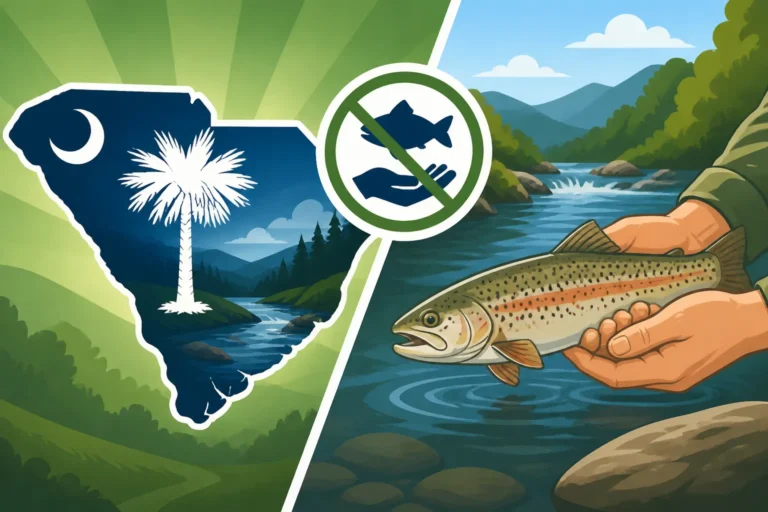
One of the most critical distinctions you'll encounter is between "catch-and-release" (C&R) streams and "harvest" streams. A stream designated as catch-and-release means exactly that: all trout caught must be immediately and carefully released back into the water. Often, these streams also have additional tackle restrictions, such as requiring single, barbless hooks and artificial lures only. These rules are put in place to protect fragile populations, particularly native brook trout, and to provide a unique angling experience focused purely on the sport, not the supper. An excellent example of this might be certain stretches within the Chattooga River or specific tributaries known for their pristine brook trout populations.
On the other hand, "harvest" streams allow anglers to keep a certain number of fish, provided they meet size requirements. These are typically waters where trout are regularly stocked, like the Chauga River, Eastatoe Creek, or portions of the Saluda River, where the SCDNR aims to provide a put-and-take opportunity. It's vital to know which type of stream you're on, as violating catch-and-release rules is a serious offense. This information is clearly delineated in the SCDNR regulations, often by specific stream names or designated sections.
Daily Bag Limits and Size Restrictions
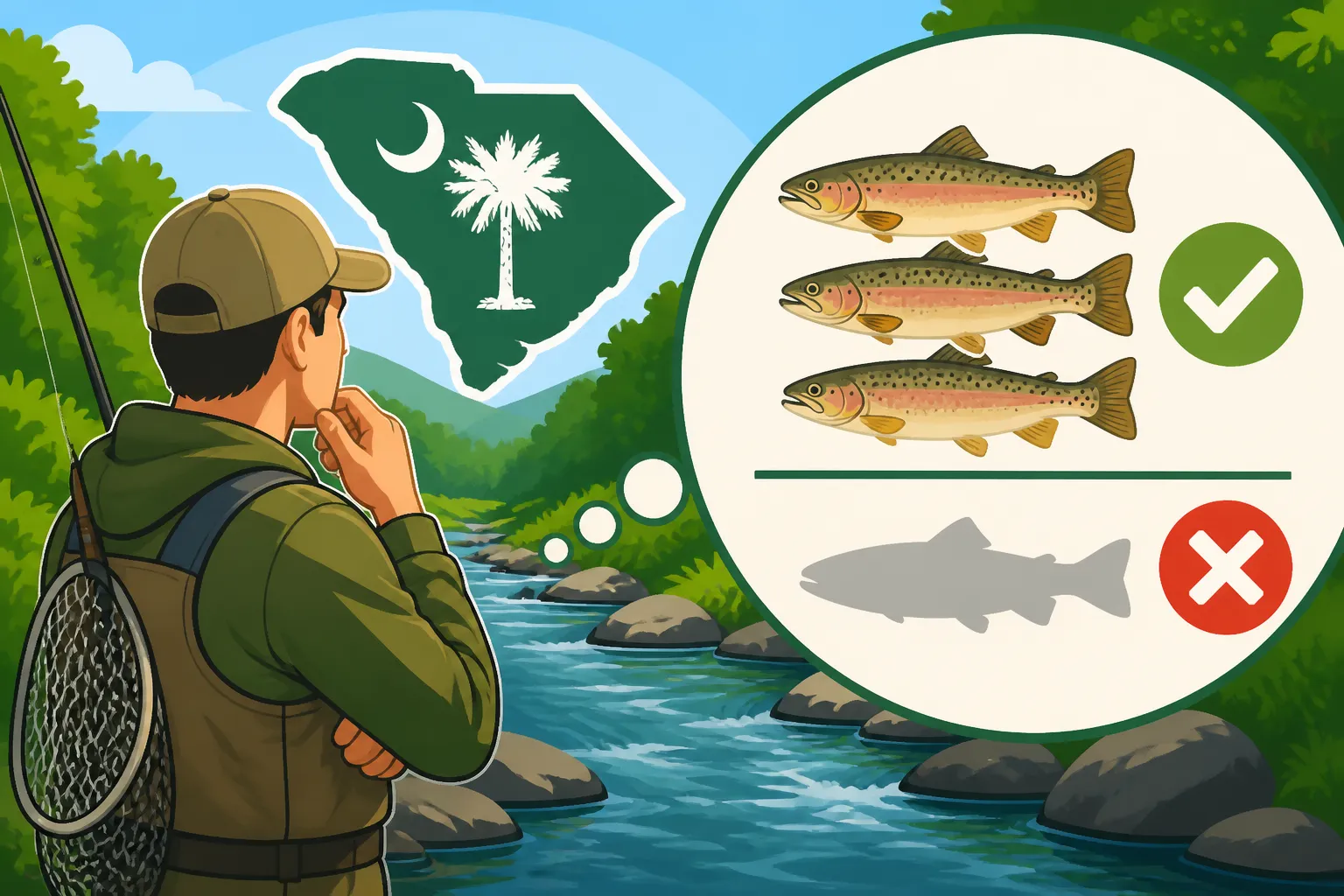
For harvest streams, you'll encounter "daily bag limits" (also known as creel limits) and "size restrictions." The daily bag limit specifies the maximum number of trout an individual angler can legally keep in a single day. In South Carolina, you'll find different limits depending on the stream. For example, some general regulations might allow for a 10-fish limit, while other, more sensitive streams might have a South Carolina Streams With a 5-Fish Trout Limit. It's never a one-size-fits-all number, so checking the specific stream is paramount.
Size restrictions dictate the minimum (and sometimes maximum) length a fish must be to be legally harvested. For example, a regulation might state that trout must be at least 14 inches long to be kept. These rules are designed to protect younger fish, allowing them to grow to maturity and reproduce at least once before being harvested, which helps sustain the population. A common scenario might be that you catch a beautiful rainbow trout, but if it measures 12 inches and the minimum is 14, it must go back. Always carry a reliable measuring device and know the specific limits for the body of water you're fishing.
Special Regulations for Specific Streams or Seasons
Beyond the general C&R/harvest designations and standard bag/size limits, some South Carolina trout streams have even more specific, unique rules. These "special regulations" can be tied to particular streams, certain times of the year, or even specific types of tackle allowed. For instance, a stream might have a seasonal closure to protect spawning fish, or it might be open year-round but with reduced limits during certain months. There could also be regulations concerning bait – some streams only allow artificial lures, while others permit natural bait.
An example of a special regulation might involve designated "trophy trout" sections where the size limit is much higher, or the bag limit is lower, to encourage the growth of larger fish. Another common one is a "single hook only" rule, even on some harvest streams, to minimize injury to fish that are destined for release. These highly specific rules are always detailed in the SCDNR's official regulations. When you're planning a trip to a lesser-known stream, it's particularly important to dig into these details, as overlooking them could lead to an unintentional violation.
The Consequences of Not Knowing the Rules
While ignorance of the law is never an excuse, many anglers genuinely don't mean to break the rules. However, not knowing or understanding South Carolina's trout limits can lead to some pretty significant headaches, from legal trouble to impacting the very fish populations we love to pursue.
Fines and Legal Ramifications
Let's be blunt: getting caught fishing without adherence to the regulations can be costly. If a SCDNR game warden or law enforcement officer finds you in violation of trout limits or size restrictions, you're likely looking at a fine. These aren't usually slap-on-the-wrist warnings; they can be substantial, often ranging from several hundred dollars, depending on the severity of the offense and whether it's a repeat violation. Beyond the financial hit, you could also face court appearances, confiscation of your gear (including your fishing rod and even your vehicle in serious cases), and potentially the suspension of your fishing privileges for a period.
For example, if you're on a designated catch-and-release stream and have a stringer of trout, you're in for a significant penalty. Or if you're on a harvest stream but have more than the daily limit or fish that are under the minimum size, you could still be penalized. It's not worth the risk, especially when the information to stay legal is so readily available. The penalties for fishing without a license in South Carolina are also quite steep, so make sure you're properly licensed before you even start worrying about creel limits!
The Broader Impact on Trout Populations
Beyond the personal legal and financial consequences, every violation of fishing regulations has a broader impact on the ecosystem. Overharvesting, even by a few individuals, can accumulate and seriously harm a trout population, especially in smaller, more sensitive streams. Keeping undersized fish removes them before they've had a chance to reproduce, which directly reduces the number of future fish available. Taking more than the daily limit can quickly deplete localized populations, especially if a stream has limited stocking or a fragile wild fishery.
When regulations are consistently ignored, it can lead to a decline in fish numbers, poorer fishing experiences for everyone, and even more stringent regulations being put in place in the future, impacting all anglers. Our collective adherence to these rules is what allows the SCDNR to maintain healthy, sustainable fisheries for everyone to enjoy.
Protecting Your Reputation as a Responsible Angler
Let's face it, the angling community is a passionate one, and respecting the rules is a hallmark of a responsible angler. When you know and follow the regulations, you're not just avoiding trouble; you're actively contributing to a positive image for all fishermen and women. It shows respect for the resource, for the hard work of conservation agencies, and for your fellow anglers.
Conversely, getting caught violating limits can damage your reputation within the local fishing community. Word travels fast, especially in smaller, close-knit angling circles. Being seen as someone who disregards rules can lead to uncomfortable situations or even exclusion from certain groups or opportunities. Ultimately, a little homework before you hit the water goes a long way in ensuring not only your own enjoyable and legal trip but also the health and future of South Carolina's incredible trout fisheries.
| Resource Type | How to Access | Key Information Provided | Frequency of Updates | Best Use Case |
|---|---|---|---|---|
| SCDNR Official Website | scdnr.sc.gov (search "fishing regulations") | Comprehensive annual regulations digest (PDF) | Annually, with occasional in-season updates | Primary source for all official rules and changes |
| SCDNR Regulations Digest | Downloadable PDF from website; printed at vendors | Stream-specific limits, size restrictions, tackle rules | Annually | Detailed planning, in-depth understanding of complex rules |
| Local Bait & Tackle Shops | In-person visit | Current local conditions, recent changes, practical advice | Ongoing | Last-minute checks, local insights, current stocking info |
| Fishing Guides | Direct contact (website, phone) | Expert-level knowledge of specific waters and rules | Constant | When booking a trip or seeking specialized advice |
Disclaimer
Please remember that fishing regulations, including trout limits and seasons, are subject to change. Always consult the official South Carolina Department of Natural Resources (SCDNR) website or the most current regulations digest before heading out to fish. This guide provides general information and should not be considered a substitute for official legal documentation.