Shark Fishing Charters in South Carolina Waters
There’s nothing quite like the raw power of a shark on the end of your line, but for many anglers, the idea of chasing these apex predators can feel intimidating or simply out of reach. Fear not, fellow fishing enthusiasts! South Carolina's coastal waters offer incredible opportunities for shark fishing, and booking a charter is hands-down the best way to experience this heart-pounding adventure safely and effectively. This guide will walk you through everything you need to know about shark fishing charters in the Palmetto State, from what to expect to how to choose the perfect trip.
Why Shark Fishing Charters Are a Thrilling South Carolina Experience
If you've ever dreamt of battling a powerful creature from the deep, then shark fishing is definitely for you. It's not just about the catch; it's about the entire experience, from the anticipation to the adrenaline-pumping fight. South Carolina provides a fantastic backdrop for this, with abundant shark populations in both its inshore estuaries and offshore waters.
The Adrenaline Rush of the Catch
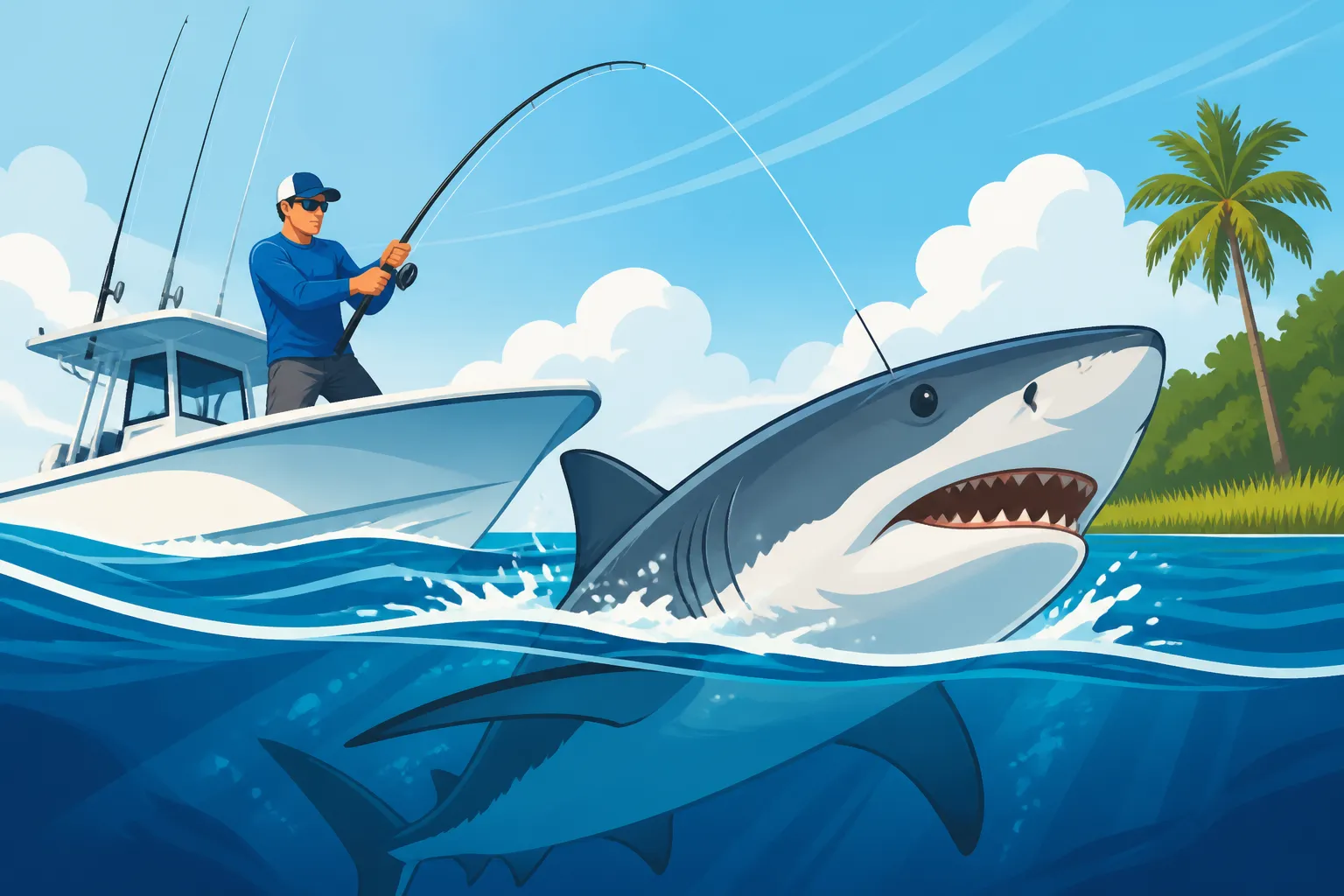
Picture this: You’re drifting along, the sun warming your face, and suddenly, the rod doubles over with a violent strike. That's the moment your shark fishing adventure truly begins. These are not your average panfish; sharks are incredibly strong and relentless fighters. They'll strip line, make powerful runs, and test every ounce of your strength and resolve. The sheer force you feel when reeling in a shark is unlike almost any other fish, making it an utterly unforgettable experience. Each species brings its own unique fight, from the lightning-fast runs of a Blacktip to the stubborn, head-shaking power of a Bull Shark. It's a true test of angler and tackle, culminating in that incredible moment when you see the shark brought boat-side.
Beyond the Thrill: Conservation and Education
While the thrill of the catch is undeniable, a good shark fishing charter in South Carolina offers so much more than just a fight. Reputable captains are deeply committed to conservation and responsible angling practices. They're not just guides; they're educators, passionate about these magnificent creatures and their role in the marine ecosystem. Many shark fishing trips are primarily catch-and-release, giving you the chance to admire these powerful fish up close before safely sending them back into the water. You'll learn about different shark species, their habitats, feeding patterns, and the importance of healthy oceans. It’s a chance to demystify sharks and understand them as vital components of marine life, fostering a deeper appreciation for the environment. Charters often adhere to strict guidelines, teaching proper handling techniques to ensure the shark's well-being.
Types of South Carolina Shark Fishing Charters
South Carolina's diverse coastline means you can find a shark fishing charter that perfectly matches your desired level of adventure, whether you're looking for a quick, family-friendly trip or a hardcore offshore expedition. Understanding the different options is key to booking the right experience.
Inshore vs. Nearshore Shark Trips
Inshore and nearshore charters are fantastic options, especially if you're looking for a shorter trip, calmer waters, or an adventure suitable for families and beginners. Inshore trips typically take place in the estuaries, bays, and sounds, focusing on species like Bonnetheads, small Blacktips, and Atlantic Sharpnose sharks. These waters are often more sheltered, making for a smoother ride. Nearshore trips might venture a few miles off the beach, targeting slightly larger Blacktips, Spinner sharks, and occasionally even smaller Bull sharks.
These trips usually last anywhere from two to four hours, making them perfect for a morning or afternoon outing without committing to a full day on the water. The boats are generally smaller and more agile, allowing access to tighter spaces where sharks might be feeding. Techniques often involve anchoring and chumming, or drifting with cut bait. The fight from these smaller to medium-sized sharks is still exhilarating, providing plenty of excitement without being overly exhausting, especially for kids or those new to the sport.
Offshore Shark Expeditions
For the truly adventurous angler seeking a trophy shark, offshore expeditions are where it's at. These trips involve venturing much further out into the open ocean, often 20 miles or more offshore, to target the larger, more formidable species like Mako, Thresher, Tiger, and large Bull sharks. These are full-day affairs, typically lasting 8 to 12 hours, sometimes even longer.
Offshore charters require larger, more robust boats equipped to handle deeper waters and longer distances. The gear used is heavy-duty, designed to withstand the incredible power of these oceanic giants. Captains will often employ specialized techniques like slow-trolling large baits or setting out multiple lines with various depths. The waters can be choppier, and the commitment is greater, but the potential reward of encountering a truly massive shark is what draws many experienced anglers to these challenging trips. When considering such an adventure, it’s worth noting the varying South Carolina Charter Fishing Costs and Trip Types as offshore trips generally command a higher price point due to fuel, gear, and duration.
Family-Friendly Shark Adventures
If you're bringing the whole family, especially younger children, a family-friendly shark charter is an absolute must. Many South Carolina captains specialize in creating an exciting yet safe and comfortable experience for all ages. These trips typically fall into the inshore or nearshore category, targeting the smaller, more manageable shark species like Bonnetheads, Atlantic Sharpnose, and smaller Blacktips.
Captains on family-friendly charters prioritize safety above all else, often providing clear instructions and hands-on assistance. They understand that kids have shorter attention spans, so they keep the action engaging and the atmosphere fun. Think shorter trip durations (2-3 hours), calmer waters, and a focus on getting bites consistently. It's a fantastic way to introduce kids to the thrill of fishing for big fish without overwhelming them. They'll love reeling in their catch, seeing a shark up close, and perhaps even posing for a quick photo before a responsible release. These charters often include all necessary gear and even offer a basic South Carolina Fishing License Guide or cover the license for all passengers.
What to Expect on a South Carolina Shark Fishing Charter
Stepping onto a charter boat for a shark fishing trip is an exciting moment. Knowing what's coming next can help you relax and fully enjoy the experience. From the tackle to the target species, here's a rundown of what your day might look like.
Gear, Bait, and Techniques Used
You definitely won't be using your ultralight spinning rod for shark fishing! Charters come prepared with heavy-duty equipment designed for these powerful predators. Expect sturdy boat rods with robust reels spooled with heavy braided line, often 80-pound test or more. The terminal tackle will include thick wire leaders to prevent bite-offs, strong circle hooks (often mandatory for conservation reasons), and heavy weights to keep your bait on the bottom or at the desired depth.
When it comes to bait, fresh is best. Your captain will likely have a cooler full of fresh cut bait such as mullet, mackerel, menhaden, or even bonita. Chumming, which involves deploying a mixture of ground fish and oils into the water, is a common and effective technique used to attract sharks to the boat. Depending on the conditions and target species, your guide might employ various techniques: bottom fishing while anchored, drifting with the current, or even slow-trolling larger baits offshore. They'll show you exactly how to work the gear, so don't worry if it's new to you.
Common Shark Species You Might Encounter
South Carolina waters are teeming with a variety of shark species. On inshore and nearshore trips, you're most likely to hook into:
- Bonnethead Sharks: A smaller, hammerhead-like species, common in estuaries. Great fighting fish for their size.
- Atlantic Sharpnose Sharks: Another smaller, abundant species, easily identifiable by their slender, pointed snout.
- Blacktip Sharks: Known for their acrobatic jumps and powerful runs, often seen nearshore.
- Spinner Sharks: Similar to Blacktips, they get their name from their tendency to leap and spin out of the water.
Venturing further offshore, you might encounter:
- Bull Sharks: Found in both fresh and saltwater, these are powerful, aggressive fighters.
- Sandbar Sharks: Large, robust sharks often found over sandy or muddy bottoms.
- Tiger Sharks: Recognizable by their distinctive stripes (especially when young), these can grow to impressive sizes.
- Mako and Thresher Sharks: These are the big game of offshore shark fishing, known for their incredible speed and fighting ability.
Your captain will be well-versed in South Carolina Fishing Bag Limits Explained and Saltwater Fishing Rules in South Carolina, ensuring that any kept fish (if allowed and desired) are within legal limits, and protected species are handled with care and released unharmed.
Safety First: What Guides Do to Keep You Safe
Shark fishing, while exhilarating, involves powerful animals and heavy gear, so safety is always paramount. Professional charter captains are highly experienced and prioritize your well-being throughout the trip. Before leaving the dock, they'll give a thorough safety briefing, covering everything from how to handle the fishing rods to emergency procedures.
During the fishing, they'll closely supervise anglers, particularly when a shark is hooked. When a shark is brought boat-side, the captain and mate use specialized tools to safely control the animal, remove the hook, and ensure a quick and healthy release. They'll instruct you on how to pose for a photo without putting yourself or the shark at risk. Wearing non-slip shoes is also a must for stability on a moving boat. Rest assured, these professionals are experts at managing the situation, making sure everyone has an exciting and secure experience.
Choosing the Right Shark Fishing Charter in South Carolina
With so many excellent options, selecting the perfect shark fishing charter in South Carolina might seem a little daunting. But by focusing on a few key factors, you can ensure you book a trip that meets your expectations and delivers an unforgettable adventure.
Key Factors to Consider Before Booking
Before you commit, think about what kind of experience you're looking for. Are you hoping for a short, mellow trip with the kids, or a strenuous battle with a monstrous shark far offshore?
- Trip Duration: Charters typically range from 2-hour "thrill rides" to 4-hour half-days, or even full 8-12 hour offshore excursions. Shorter trips are usually better for beginners and families, while longer trips offer more time to find larger fish.
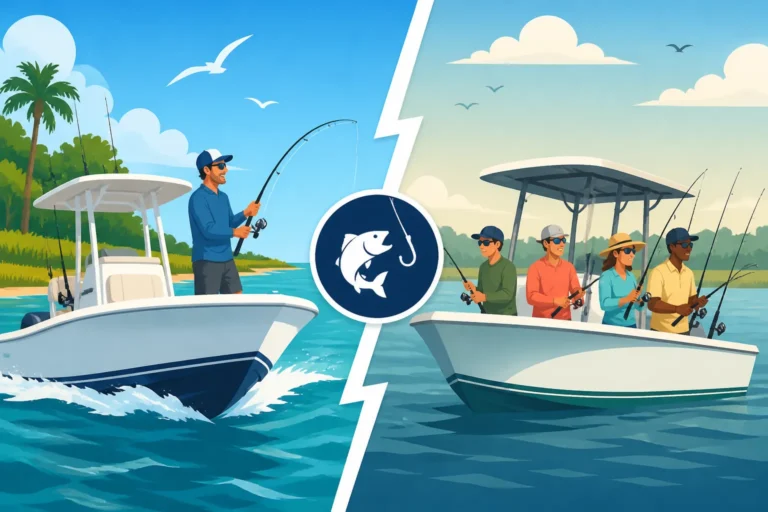
- Private vs. Shared Charter: A private charter means you have the boat exclusively for your group, offering flexibility and personalized attention. Shared charters, where you join other anglers, can be more budget-friendly.
- Captain's Experience and Reputation: Look for captains with extensive experience specifically in shark fishing and a strong track record of safety and successful trips. Online reviews are a great way to gauge this. You can easily find and compare many options on platforms like FishingBooker, which allows you to read reviews and see captain profiles before booking.
- Inclusions: Most reputable charters include all the necessary fishing gear, bait, and often even cover the required South Carolina Fishing License Requirements in South Carolina for all passengers. Always confirm this beforehand.
- Cancellation Policy: Life happens! Understand the charter's policy regarding weather cancellations or if you need to reschedule.
Popular Departure Locations for Shark Charters
South Carolina's coastline offers several fantastic hubs for launching your shark fishing adventure, each with its own unique charm and access to different fishing grounds.
- Hilton Head Island: Known for its calm inshore waters and proximity to productive nearshore fishing, Hilton Head is a prime spot for family-friendly shark trips. Many excellent Hilton Head Island Fishing Charters, South Carolina depart from here, offering a variety of options.
- Charleston: With its historic harbor and easy access to both estuarine and nearshore waters, Charleston is another popular choice. Charleston Fishing Charters: South Carolina's Harbor Trips can take you to chase sharks just minutes from downtown.
- Myrtle Beach: A classic vacation destination, Myrtle Beach also offers a plethora of Myrtle Beach Fishing Charters and Trip Options, including many focused on shark fishing, both nearshore and further out.
- Murrells Inlet: Just south of Myrtle Beach, Murrells Inlet provides excellent access to rich inshore and nearshore shark grounds, making it a favorite among local and visiting anglers.
Each location has a vibrant fishing community and seasoned captains ready to guide you to the sharks.
Understanding Pricing and Inclusions
Charter fishing costs can vary widely depending on the duration, type of trip, location, and the boat itself. Generally, expect to pay more for longer, offshore trips and private charters compared to shorter, shared inshore trips. For specific figures, it's always best to check directly with the charter company or through booking platforms. FishingBooker, for example, often provides clear breakdowns of what each trip includes.
Typically, the price you pay covers:
- The boat and its fuel.
- The experienced captain and often a mate.
- All necessary fishing rods, reels, and tackle.
- Bait, often including live or fresh cut bait and chum.
- Safety equipment (life vests, first aid, etc.).
- Usually, your temporary fishing license for the duration of the trip.
What's usually not included is gratuity for the captain and mate (typically 15-20% of the trip cost – check out Tipping Your South Carolina Fishing Guide for more details), food, drinks (though some might provide water), and personal items like sunscreen or hats. Always clarify these details when booking so there are no surprises on the day of your trip.
Responsible Shark Fishing and Conservation in South Carolina
As anglers, we have a responsibility to protect the marine resources we enjoy. This is especially true when it comes to apex predators like sharks. Participating in responsible shark fishing practices ensures healthy populations for future generations and minimizes stress on the fish.
Catch-and-Release Best Practices
Many shark fishing charters in South Carolina operate on a catch-and-release basis, and even when keeping certain species is allowed, responsible practices are crucial. Here are some key principles:
- Minimize Fight Time: Work to bring the shark to the boat as quickly as possible without over-stressing it. Prolonged fights can exhaust a shark, reducing its chances of survival after release.
- Proper Handling: Keep the shark in the water as much as possible. If it must be brought aboard for a quick photo, ensure it's handled gently, supported properly (never by the tail alone), and kept moist. Avoid dragging it on rough surfaces.
- Quick Hook Removal: Use de-hooking tools to quickly and safely remove the hook. If the hook is deep, cut the line as close to the hook as possible rather than tearing tissue. Circle hooks, which are often required, typically hook in the corner of the mouth, making removal easier and less harmful.
- Revival: If the shark seems sluggish, gently hold it upright by the boat's side, allowing water to flow over its gills until it regains strength and swims away on its own power.
Your charter captain will be an expert in these techniques and will guide you through the process, ensuring the well-being of every shark caught.
South Carolina's Shark Regulations
Understanding and adhering to fishing regulations is vital for conservation. South Carolina, along with federal agencies, has specific rules in place to manage shark populations. These regulations often include:
- Size Limits: Minimum or maximum sizes for sharks that can be legally harvested.
- Bag Limits: The number of sharks an angler can keep per day.
- Protected Species: Certain shark species are entirely protected and must be released immediately and unharmed.
- Gear Restrictions: Specific types of hooks (like circle hooks) or tackle might be required.
Your charter captain will be up-to-date on all current regulations, including South Carolina Fishing Bag Limits Explained and the overarching South Carolina's Freshwater Fishing Regulations and Saltwater Fishing Rules in South Carolina. They will ensure your trip complies with all laws, so you don't have to worry about the legalities. Remember that rules can change, so always rely on your captain's current knowledge.
The Role of Anglers in Shark Conservation
As anglers, we are often the first to notice changes in fish populations and marine environments. By choosing to fish with reputable, conservation-minded charters, you directly support sustainable practices. Beyond that, anglers can contribute in several ways:
- Reporting Tagged Fish: If you catch a shark with a research tag, report it to the appropriate authorities (your captain will know how), as this provides valuable data for scientists.
- Advocacy: Become an informed advocate for shark conservation, helping to dispel myths and promote a greater understanding of these essential predators.
- Respecting the Resource: Simply by treating every catch with respect, minimizing stress, and adhering to catch-and-release principles, you play a direct role in maintaining healthy shark populations.
Every time you choose a charter that prioritizes conservation, you're helping to ensure that the thrill of shark fishing remains a viable and responsible pursuit for generations to come.
Preparing for Your Shark Fishing Adventure
You've booked your charter, and the excitement is building! Now, a little preparation can go a long way in ensuring your shark fishing trip is comfortable, enjoyable, and memorable.
What to Bring and Wear
While charters typically provide the heavy-duty gear, there are a few personal items you'll want to bring along to make your day on the water more pleasant:
- Sun Protection: South Carolina sun can be intense, even on cloudy days. Pack a wide-brimmed hat, polarized sunglasses, and plenty of high SPF, water-resistant sunscreen. Long-sleeved, light-colored shirts and pants offer excellent sun protection.
- Appropriate Clothing: Dress in layers, as temperatures can change throughout the day. Opt for quick-drying fabrics.
- Non-Slip Shoes: Boat decks can get wet and slippery. Wear comfortable, closed-toe shoes with good grip.
- Snacks and Drinks: While some charters offer water, it's always a good idea to bring your own water, sodas, and favorite snacks to keep your energy up. A small cooler is often welcome.
- Camera: You'll want to capture the moment! Make sure your phone or camera is fully charged, and consider a waterproof bag for protection.
- Cooler for Your Catch (if keeping fish): If the regulations allow and you plan to keep any legally-sized shark, bring a cooler with ice in your vehicle. Your captain will usually clean and fillet your fish for you after the trip.
For a more comprehensive list, check out What to Bring on a South Carolina Fishing Charter.
Dealing with Seasickness
If you're prone to seasickness, don't let it ruin your adventure! There are several strategies you can employ:
- Over-the-Counter Remedies: Medications like Dramamine or Bonine can be highly effective. Take them before you board the boat, as directed, for the best results.
- Natural Remedies: Ginger (candied, tea, or capsules) is a popular natural alternative for some people.
- Stay Hydrated and Eat Lightly: Avoid heavy, greasy meals before your trip. Stick to light, easily digestible foods.
- Look at the Horizon: Once on the boat, try to focus on the distant horizon rather than looking down at your phone or book.
- Fresh Air: Stay on deck where you can get plenty of fresh air.
- Avoid Strong Odors: Steer clear of engine fumes or any strong smells that might trigger nausea.
Communicate with your captain if you start to feel unwell; they might be able to adjust the boat's position or offer other advice.
Capturing the Memory: Photos and Bragging Rights
You're going to want to remember this experience! Shark fishing provides incredible photo opportunities. Your captain and mate are usually excellent photographers and can help you get fantastic shots with your catch, ensuring both your safety and the shark's well-being. They know the best angles and how to safely hold the shark (or stand near it in the water) for that epic photo.
Always listen to your guide's instructions when it comes to handling the fish for a picture. A quick shot and a safe release are always the priority. Once back on land, you'll have some incredible stories and photos to share with friends and family – definite bragging rights for reeling in one of the ocean's most formidable predators in the beautiful waters of South Carolina!
Here's a quick comparison of what you might expect from inshore versus offshore shark charters:
| Feature | Inshore/Nearshore Shark Charter | Offshore Shark Expedition |
|---|---|---|
| Target Species | Bonnethead, Atlantic Sharpnose, Smaller Blacktips, Spinner | Larger Blacktip, Spinner, Bull, Tiger, Mako, Thresher |
| Distance from Shore | In estuaries, bays, sounds, up to a few miles offshore | 10+ miles offshore, often 20-50+ miles |
| Trip Duration | 2-4 hours (half-day or less) | 6-12 hours (full-day or extended trip) |
| Water Conditions | Generally calmer, more sheltered | Can be choppier, open ocean swells |
| Boat Size | Smaller center consoles, bay boats | Larger center consoles, sportfishing boats |
| Target Angler | Families, beginners, those prone to seasickness | Experienced anglers, thrill-seekers, those seeking trophy fish |
| Cost | Generally lower due to shorter duration and less fuel | Higher due to longer duration, more fuel, specialized gear |
| Techniques | Anchoring, drifting with cut bait, chumming | Drifting, slow-trolling, deep dropping, heavier chumming |
| Potential Size | Up to 5-6 feet typically | Potentially 8-15+ feet for Mako, Tiger, Thresher |
Disclaimer
This article is for general informational purposes only and does not constitute professional advice. Laws, prices and regulations vary by location and change over time. Consult a qualified professional for guidance on your specific situation.