Walk-In Fishing Access Points in South Carolina
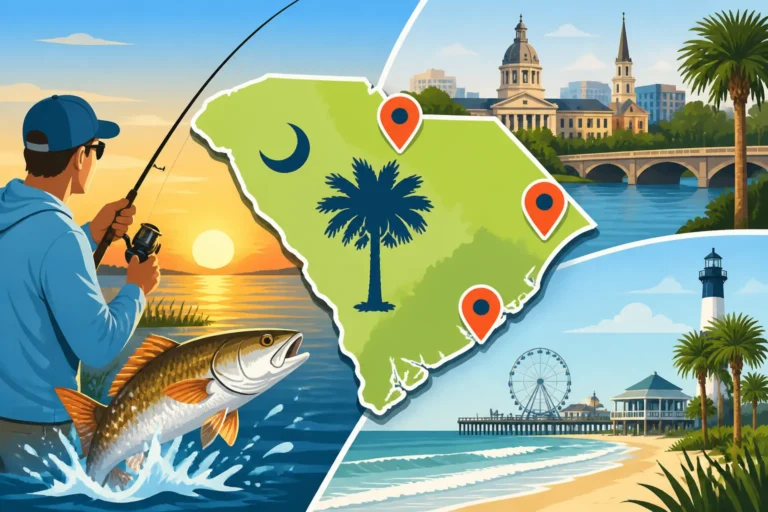
For many of us, the dream of fishing involves a sleek boat, advanced electronics, and miles of open water. But the reality is, getting out on the water isn't always feasible, and the thought of trailering a boat or paying for a charter can feel like a major hurdle. If you've ever felt that frustration, longing to simply grab your rod and walk to a prime fishing spot, you're not alone. This guide is all about empowering you to discover the fantastic world of walk-in fishing access points scattered across our beautiful state of South Carolina, proving that some of the best fishing is right at your fingertips.
What Exactly Are Walk-In Fishing Access Points?
Let's get real about what "walk-in fishing access points" truly means. It’s not some secret club or a place only known by seasoned locals. Simply put, these are any publicly accessible spots where you can get to the water's edge and fish without needing a boat, kayak, or special permission. Think piers, public docks, bridges, designated shoreline areas in parks, and even certain riverbanks or pond edges. These spots are a lifesaver for anglers who might not own a boat, are visiting from out of state, or just prefer the simplicity and connection to the land that shore fishing offers.
Why Walk-In Spots are a Game Changer for Anglers
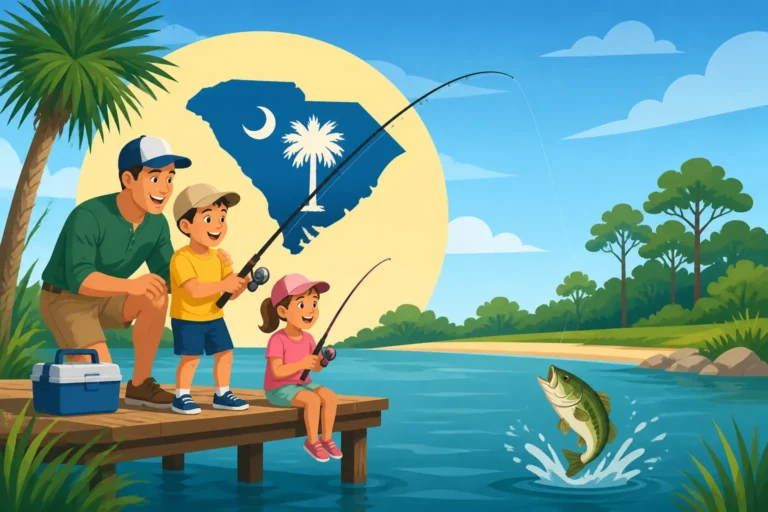
The beauty of walk-in spots lies in their accessibility and often, their surprising productivity. You don't need a heavy investment in gear beyond your basic rod, reel, and tackle. This opens up the sport to everyone, from families looking for a fun, affordable outing to serious anglers who appreciate the challenge of reading the water from the bank. Imagine waking up, grabbing your coffee, and being on a productive fishing spot in minutes, all on foot. It’s a wonderful way to connect with nature without the logistical headaches sometimes associated with boat ownership. Plus, some of the most memorable catches happen when you least expect them, often from a quiet shoreline.
These locations also often put you in proximity to different types of structure that attract fish, such as submerged timber, rock piles, or current breaks, which are just as effective from the bank as they are from a boat. If you’re ever curious about specific areas or want to explore fishing opportunities, platforms like FishingBooker sometimes list guides who specialize in shore-based trips or can point you toward productive public access points, even if they primarily focus on boat charters. They're a wealth of local knowledge, which can be invaluable for finding those hidden gems.
Dispelling Common Myths About Public Access
There's a persistent myth that all the good fishing spots are private or require a boat. This simply isn't true, especially in South Carolina. Our state offers an incredible array of public access points, meticulously maintained by the South Carolina Department of Natural Resources (SCDNR) and local municipalities. Many people overlook these spots, assuming they'll be "fished out" or only hold small fish. While some popular spots might see more traffic, plenty of lesser-known areas offer solitude and fantastic opportunities for various species, from panfish to impressive bass and even saltwater giants.
Another misconception is that shore fishing is somehow "lesser" than boat fishing. Not at all! It requires different skills, a keen eye for reading the water, and often more stealth. Many record-breaking fish have been caught from the bank, proving that proximity to deep water or structure isn't exclusive to boats. Knowing your local South Carolina Fishing License Guide and general Fishing License Requirements in South Carolina is crucial, as is understanding specific regulations for the water you're fishing. Public access means public rules, and following them ensures these fantastic resources remain available for everyone.
Navigating the Different Types of Walk-In Access
South Carolina is blessed with diverse aquatic environments, and fortunately, there are walk-in access points tailored to each. Understanding these different types can help you plan your next fishing adventure, whether you're seeking freshwater serenity or the thrill of coastal angling.
Public Piers and Docks: Easy Access with Perks
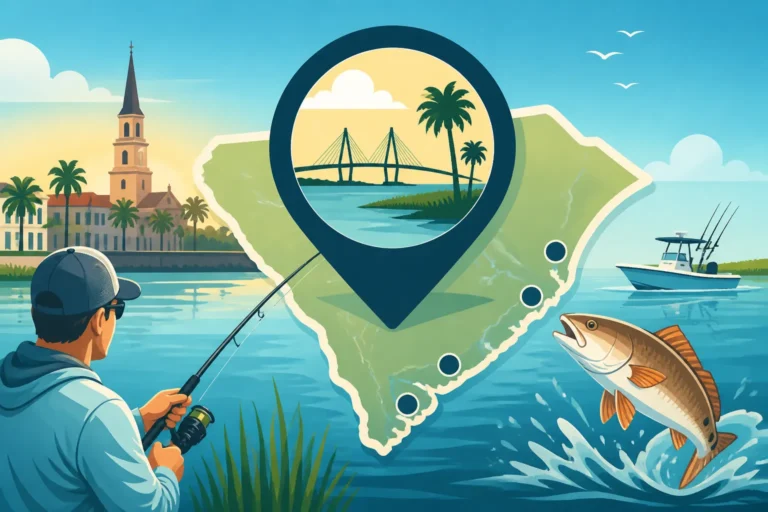
Public piers and docks are perhaps the most popular and straightforward walk-in fishing access points. They stretch out into the water, providing anglers with access to deeper channels, structure, and currents that would otherwise be unreachable from the shore. Along the coast, you’ll find bustling piers in places like Myrtle Beach, Folly Beach, and Murrells Inlet, which often have bait shops, restrooms, and even rod rentals right on site. These coastal piers are fantastic for catching everything from whiting and flounder to larger species like Spanish mackerel and even sharks. Many even offer an umbrella license, meaning you might not need your own Saltwater Fishing Rules in South Carolina license to fish from them. Always check with the pier management first!
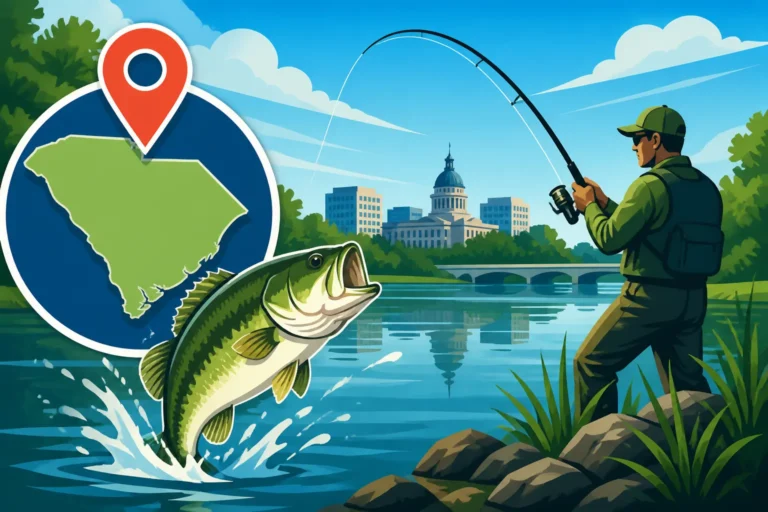
Inland, lakes and rivers also boast numerous public docks, many of which are part of boat ramps or recreational areas. These freshwater docks can be phenomenal for targeting crappie, catfish, and various sunfish species, especially during spawning seasons when fish move into shallower waters. The convenience is unmatched; you can literally park your car, walk a few yards, and be casting in prime territory. Just remember to be mindful of boat traffic and give fellow anglers plenty of space.
State Parks and Wildlife Management Areas (WMAs): Nature's Bounty
South Carolina's state parks and Wildlife Management Areas (WMAs) are absolute goldmines for walk-in fishing. These protected lands often feature extensive shorelines, designated fishing areas, and well-maintained trails leading to secluded spots. Places like Santee State Park on Lake Marion, or Table Rock State Park in the Upstate, offer incredible opportunities for freshwater angling. You can find excellent State Park Fishing Spots in South Carolina that are perfect for a family day out, often with picnic areas and other amenities nearby.
WMAs, managed by the SCDNR, are typically more rustic but provide unparalleled access to untouched natural environments. While some might require a short hike, the reward is often a tranquil fishing experience away from the crowds. Here, you can target species like largemouth bass, various panfish, and even trout in the colder mountain streams. Always check the specific WMA regulations before heading out, as some areas may have unique rules regarding access or fishing methods. These spots are often your best bet for finding quiet stretches of water where you can really immerse yourself in the outdoors.
Urban Waterways and City Parks: Unexpected Opportunities
Don't overlook the fishing potential right within or near South Carolina's urban centers. Many cities and towns have dedicated public parks with ponds, lakes, or river access specifically designed for fishing. For example, some city parks in Columbia might have ponds that are regularly stocked, offering easy access for beginners or those seeking a quick fishing fix. You might even find dedicated Kid-Friendly Fishing Ponds Near Columbia that are perfect for introducing youngsters to the sport. These spots are often overlooked by seasoned anglers who prefer more remote locations, but they can be incredibly productive, especially for panfish and smaller bass.
The great thing about urban fishing spots is their convenience. You can often squeeze in a quick fishing trip after work or on a lunch break. They typically have paved paths, restrooms, and other amenities, making them very family-friendly. However, it's particularly important to practice "Leave No Trace" principles in these high-traffic areas to keep them enjoyable for everyone. Always check with the local city or county parks and recreation department for specific fishing regulations or stocking schedules.
Bridge Access and Causeway Fishing: Overlooked Gems
Many bridges and causeways across South Carolina offer fantastic, often underutilized, walk-in fishing opportunities. Whether it's a bridge spanning a wide river or a causeway connecting two landmasses, these structures often create natural fish habitats. The pilings provide cover and attract baitfish, which in turn draw in larger predatory species. They also often create current breaks and eddies, ideal ambush points for fish.
For freshwater anglers, bridges over rivers like the Broad River or Congaree River can be excellent for catfish and stripers, especially during migration periods. Along the coast, causeways that cross marsh creeks or inlets can be phenomenal for redfish, spotted seatrout, and flounder. You'll often find anglers fishing these spots at high tide, targeting fish that move into the shallow grass flats adjacent to the causeway. When fishing from bridges or causeways, always prioritize safety: be aware of traffic, don't obstruct pathways, and use caution with casting. It's also a good idea to check for local signs, as some bridges may prohibit fishing due to safety concerns.
Finding Your Next Walk-In Fishing Spot
Finding those perfect walk-in fishing spots sometimes feels like an ancient art, but in today’s world, we have more resources than ever. It's a blend of digital savvy, local interaction, and a good old-fashioned sense of adventure.
Leveraging Online Resources and Maps
The internet is your best friend when it comes to locating walk-in access. The SCDNR website is an invaluable resource, offering interactive maps that pinpoint public boat ramps, fishing piers, and Best Bank Fishing Spots in South Carolina. These maps often include details about amenities, target species, and even recent stocking information. Apps like Fishbrain or Angler's Atlas also allow users to share their catches and pinpoint locations, giving you a real-time look at what's biting and where people are having success.
Don't be afraid to search local government websites as well. Many county and city parks departments maintain lists or maps of their recreational areas, highlighting public ponds or river access points. When planning a trip, you can use these tools to scout out potential locations from your couch. And while FishingBooker primarily focuses on booking guides, it's an excellent platform for reading reviews and seeing the types of fish caught in different areas, which can indirectly lead you to productive public spots. Many guides are intimately familiar with their local waters, including shore-based honey holes. They might offer general tips or insights into fishing patterns that apply to walk-in areas, even if you’re not booking a trip.
Connecting with Local Experts and Bait Shops
There’s no substitute for local knowledge. The folks who run your local bait and tackle shop are often the unsung heroes of the fishing community. They know the water better than anyone, hear the latest reports, and can point you directly to walk-in spots that are hot at any given time. Don't just buy your bait and leave; strike up a conversation! Ask them what's biting, what gear they recommend for shore fishing, and if they know any good public access points. They’re usually thrilled to share their expertise.
Another great way to tap into local knowledge is through online fishing forums or local Facebook groups dedicated to South Carolina fishing. Anglers love to share stories and tips, and you can often get excellent advice on specific walk-in spots, what to use, and even general Simple Bank Fishing Tips for Beginners. Just be respectful, contribute to the community, and you'll often find a wealth of information. Even considering a half-day trip with a local guide, perhaps through a service like FishingBooker, can be a fast-track to understanding the local fishery and where public access might be most productive. While you might be on a boat, the insights gained can be applied to future solo walk-in adventures.
Exploring Local Community and Conservation Efforts
Many communities across South Carolina have dedicated efforts to improve public access to waterways. Look for local river keeper organizations, conservation groups, or fishing clubs. These groups often host clean-up events, advocate for new public access points, or even manage community fishing ponds. Getting involved can be a fantastic way to learn about hidden gems, meet like-minded anglers, and contribute to the preservation of our natural resources.
For instance, some towns participate in the SCDNR's Community Fishing Lakes program, which aims to provide easy, well-stocked fishing opportunities in urban and suburban areas. These spots are usually prime for walk-in anglers. Checking their schedules for South Carolina Free Fishing Days in 2026 can also reveal great opportunities to explore new spots without the need for a license, making it a perfect chance to try out a new walk-in location.
Gear and Etiquette for Walk-In Anglers
Fishing from the bank or a pier requires a slightly different approach than fishing from a boat. Your gear choices, how you interact with others, and your safety considerations all come into play.
Essential Gear for the Foot-Powered Fisherman
When you're walking to your fishing spot, portability is key. You don't want to be lugging a ton of heavy equipment. Here’s a rundown of essential gear that makes walk-in fishing enjoyable and productive:
- Compact Rod and Reel Combo: A medium-light or medium action spinning rod, around 6-7 feet, is versatile for most freshwater and inshore saltwater situations. Pair it with a reliable spinning reel spooled with 8-15 lb test line.
- Small Tackle Box or Backpack: Ditch the giant tackle box. A small, organized box or a fishing backpack with just the essentials is perfect. Include a variety of hooks, sinkers, swivels, and a few go-to lures or baits.
- Pliers/Forceps: Essential for removing hooks safely from fish and cutting line.
- Measuring Tape/Scale: To ensure your catch meets South Carolina Fishing Bag Limits Explained and for bragging rights!
- Small Cooler/Stringer: If you plan on keeping fish, a small soft cooler with ice or a stringer is crucial to keep your catch fresh.
- Sun Protection: Hat, sunglasses, and sunscreen are non-negotiable for any amount of time spent outdoors in South Carolina.
- Comfortable Footwear: You’ll be doing some walking, so comfortable, closed-toe shoes are a must.
- Water Bottle/Snacks: Stay hydrated and fueled, especially during warmer months.
Consider a multi-tool for unexpected repairs or tasks. Simplicity is the name of the game here. You want to be agile and able to move around if one spot isn't producing.
Respecting the Environment and Fellow Anglers
One of the most important aspects of walk-in fishing, especially at public access points, is proper etiquette and environmental stewardship. These spots are for everyone, and it's our collective responsibility to keep them clean and enjoyable.
- Leave No Trace: Pack out everything you pack in. This includes old fishing line, bait containers, food wrappers, and anything else. A small trash bag in your backpack is a must. Remember the mantra: "Take only pictures, leave only footprints (and maybe a few fish scales)."
- Give Space: If a spot is already occupied, find another. Don't cast too close to other anglers or crowd their space. A friendly nod or greeting goes a long way.
- Noise Awareness: Keep voices and music levels down. Many people seek solitude when fishing.
- Respect Private Property: Public access points are wonderful, but they often border private land. Be aware of property lines and do not trespass.
- Handle Fish Responsibly: If you're practicing catch and release, handle fish gently with wet hands, minimize their time out of water, and release them quickly.
- Adhere to Regulations: Always know and follow the local South Carolina's Freshwater Fishing Regulations or saltwater rules. This includes size limits, bag limits, and any special bait or gear restrictions. A quick check of the SCDNR website or even a local guide’s knowledge (found via a platform like FishingBooker) can keep you informed.
Safety Considerations for Shore-Based Fishing
While walk-in fishing is generally safe, there are unique considerations when you're on foot.
- Watch Your Step: Uneven terrain, slippery banks, and debris can lead to falls. Always be aware of your footing, especially when near the water's edge.
- Weather Awareness: Be prepared for sudden changes in weather. South Carolina summers can bring unexpected thunderstorms, and winter can be deceptively cold.
- Sun Protection: As mentioned earlier, the sun can be intense. Sunscreen, hats, and sunglasses are vital to prevent sunburn and heatstroke.
- Hydration: Always carry enough water, especially during the warmer months.
- Know Your Surroundings: Be aware of wildlife, especially snakes and alligators in freshwater areas. Pay attention to your surroundings and avoid disturbing animals.
- Inform Someone: If you're heading to a secluded spot, let someone know where you're going and when you expect to be back.
- Currents and Tides: In coastal areas, understand the tides and currents. Don't wade into unfamiliar waters without knowing the conditions. Rivers can also have strong currents, so exercise caution.
By being prepared and respectful, you can ensure that your walk-in fishing adventures in South Carolina are not only productive but also safe and enjoyable for everyone involved.
Disclaimer
The information provided in this guide is for general informational purposes only and is subject to change. Always consult the official South Carolina Department of Natural Resources (SCDNR) website and local regulations before engaging in any fishing activities. Fishing regulations, license requirements, and access rules can vary by location and time of year.