South Carolina Resident Saltwater Fishing License 14-Day Cost
Figuring out the exact cost for a fishing license, especially when you're just planning a quick trip or a short vacation, can feel like navigating a maze. Nobody wants to spend more than they have to, and nobody wants to be caught without the right paperwork. If you're a South Carolina resident looking to enjoy the incredible coastal waters for a couple of weeks, this guide is going to walk you through everything you need to know about the 14-day resident saltwater fishing license, including its cost and how to get one.
Understanding South Carolina's 14-Day Resident Saltwater Fishing License
South Carolina boasts some of the most beautiful and productive saltwater fishing in the country, from the bustling estuaries around Charleston to the serene marshlands near Beaufort. Whether you're chasing redfish in the spartina grass, casting for spotted seatrout near oyster beds, or simply enjoying a peaceful afternoon dropping a line off a dock, a valid fishing license is your ticket to participate. For residents who don't plan on fishing year-round, the 14-day saltwater license offers a perfect, economical solution.
Why a 14-Day License Might Be Your Best Bet
Let's be real, not everyone lives and breathes fishing every single weekend. Maybe you have a vacation planned for a week or two along the coast, or perhaps you're just dipping your toes into saltwater fishing for the first time. In these scenarios, committing to an annual license might feel like an unnecessary expense. The 14-day license is specifically designed for these types of occasional anglers. It gives you ample time to enjoy several fishing outings without the larger upfront cost of a full year.
Think about it: if you're visiting Myrtle Beach for a family trip, spending a long weekend in Murrells Inlet, or taking a two-week stay on Hilton Head Island, this short-term option is often the most practical and budget-friendly choice. It saves you money compared to an annual license if you're only going to fish for a limited period, and it ensures you're fully compliant with the state's regulations without any hassle. This flexibility is a huge bonus for those who aren't on the water constantly but still want to partake in the excellent fishing opportunities South Carolina offers.
What the Saltwater License Covers
A South Carolina resident 14-day saltwater fishing license permits you to fish in all of the state's marine and estuarine waters. This means you're good to go in the Atlantic Ocean within state limits, the intricate network of tidal creeks, bays, sounds, and inlets, as well as the brackish sections of rivers that feel the ebb and flow of the tide. You can fish from the shore, from a private boat, from a kayak, or even from many public piers and docks (though always double-check specific pier rules as some larger, privately-owned piers might operate under a blanket license that covers all their patrons).
This license covers a vast array of popular saltwater species. You can target the revered red drum (redfish), the prized spotted seatrout, flounder, sheepshead, various drum species, and many other inshore and nearshore catches that make South Carolina fishing so exciting. It doesn't, however, extend to federal waters far offshore; for those trips, you'd typically be on a charter boat where the captain's federal permits cover all anglers. Understanding the specific areas and species covered helps you plan your trip effectively and ensures you're always fishing legally.
Eligibility for Resident Rates
To qualify for the resident rate on any South Carolina fishing license, including the 14-day saltwater option, you generally need to meet specific residency requirements set by the South Carolina Department of Natural Resources (SCDNR). The core idea is that you must be a bona fide resident of the state. This usually means you have continuously resided in South Carolina for at least 30 consecutive days immediately prior to applying for the license.
Proof of residency can include things like a valid South Carolina driver's license or state-issued ID, voter registration card, vehicle registration, or even property tax records. They're looking for clear evidence that South Carolina is your primary and permanent home, not just a temporary stop. If you're a student attending college in South Carolina but maintain residency in another state, or if you own a vacation home here but primarily live elsewhere, you would likely need to purchase a nonresident license. It's always a good idea to have your identification handy when purchasing, especially if you're doing so in person, to avoid any mix-ups and ensure you get the correct, more affordable resident rate. If you're unsure about your residency status, a quick call to the SCDNR or checking their official website can clear things up.
The Exact Cost of a 14-Day Resident Saltwater Fishing License
Let's get straight to the bottom line because we all want to know how much our fishing adventures are going to cost us. For South Carolina residents, the 14-day saltwater fishing license is designed to be highly affordable, making it accessible for casual anglers and those planning short coastal getaways.
Current Price Breakdown
As of the most recent updates, the cost for a South Carolina Resident 14-Day Saltwater Fishing License is $5. That's right, just five dollars! This fee is remarkably low and offers fantastic value for two full weeks of saltwater fishing opportunities in the Palmetto State's bountiful coastal waters.
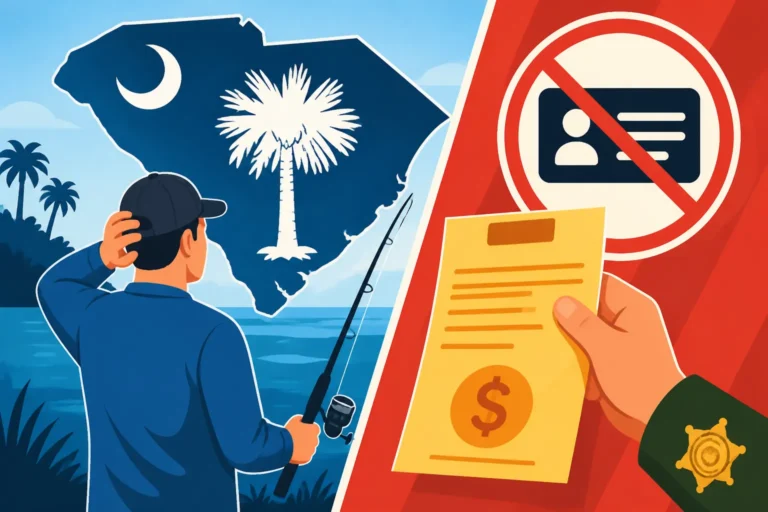
It's important to remember that this price is specifically for saltwater fishing. South Carolina also offers separate freshwater licenses, and while there might have been combined options in the past, the current structure often separates the two. This $5 covers your right to fish in tidal creeks, the sounds, bays, and the nearshore ocean. While the core license fee is $5, sometimes there might be a very small processing fee if you purchase online or through a third-party vendor. These fees are usually minimal, often less than a dollar, but it's something to keep in mind when you're checking out. Compared to the potential penalties for fishing without a license in South Carolina, this small investment is more than worth it.
Where to Purchase Your 14-Day License
Getting your 14-day resident saltwater license is thankfully a straightforward process, with several convenient options available:
- Online via Go Outdoors South Carolina: This is by far the easiest and most popular method for many anglers. The SCDNR's official licensing portal, "Go Outdoors South Carolina," allows you to purchase your license from the comfort of your home, 24/7. You simply create an account (or log in if you already have one), select the type of license you need, pay with a credit or debit card, and you can usually print your license immediately or save a digital copy on your phone. This method is quick, efficient, and ensures you have your license in hand (or on screen) before you even head out the door. If you need help, their customer service is generally responsive. Learn more about how to buy a fishing license on Go Outdoors South Carolina.
- Authorized License Vendors: Many local tackle shops, sporting goods stores, and even some Walmart or Academy Sports + Outdoors locations in South Carolina are authorized to sell fishing licenses. This can be a great option if you prefer to speak with someone in person, or if you're already at the store picking up bait and tackle. Just ask the customer service desk, and they can usually process your license purchase on the spot.
- SCDNR Offices: You can also purchase licenses directly from South Carolina Department of Natural Resources offices during business hours. While perhaps less convenient for many, it's an option if you happen to be near one of their regional centers.
No matter where you choose to buy it, always ensure you're getting it from an official source to guarantee its validity and avoid any scams.
Comparing Short-Term vs. Annual Licenses
Deciding between a short-term and an annual license boils down to how often you anticipate fishing throughout the year. Let's look at a quick comparison for South Carolina resident saltwater fishing licenses:
| License Type | Cost (Resident) | Duration | Best For |
|---|---|---|---|
| 14-Day Saltwater | $5 | 14 days | Occasional trips, vacations, trying new areas |
| Annual Saltwater | $15 | 1 year | Frequent anglers, multiple trips per year |
| 3-Year Saltwater | $45 | 3 years | Dedicated anglers, long-term savings |
As you can see, the 14-day license is incredibly cost-effective for short stints. If you only plan to fish for a week or two out of the entire year, the $5 price point is perfect. However, if you find yourself drawn to the water more often – say, even just three or four separate weekend trips – the annual license at $15 quickly becomes the more economical choice. For the truly dedicated angler, the 3-year option offers the best long-term value, essentially locking in the current rates and saving you the hassle of annual renewals. Consider your fishing habits carefully. Sometimes, planning a single short trip turns into a newfound passion, and you might find yourself upgrading to an annual pass sooner than you think!
Common Questions and Considerations for Saltwater Anglers
Beyond just the cost and where to buy it, there are always a few lingering questions that pop up for anglers, especially those new to South Carolina's saltwater scene or those simply wanting to ensure they've got all their bases covered. It's not just about the license itself; it's about being a responsible and well-prepared angler.
Do You Need a License for Pier Fishing or Charter Trips?
This is a frequently asked question, and the answer isn't always a straightforward "yes" or "no" because it depends on the specific situation:
- Pier Fishing: Generally, yes, if you're fishing from a public pier that doesn't hold a master license, you will need your own South Carolina saltwater fishing license. However, some larger, privately-owned or commercially operated fishing piers (like some popular ones in Myrtle Beach or Folly Beach) purchase a blanket license that covers all their patrons. In these cases, you often don't need your individual license as long as you're fishing exclusively from that pier. It is crucial to always check with the pier management directly before you cast your line. A quick call or a look at their website can save you a potential headache. You can read more about Do You Need a Fishing License to Fish From a Pier?.
- Charter Trips: When you book a saltwater fishing charter in South Carolina, the good news is that the captain's commercial license almost always covers all the passengers on board. This means you typically do not need to purchase your own individual saltwater fishing license (whether it's a 14-day, annual, or 3-year) if you're fishing exclusively on a licensed charter boat. The captain handles all the necessary federal and state permits for the vessel and its occupants. This is a huge convenience and one of the many benefits of booking a guided trip. However, if you plan to fish on your own before or after the charter, then your own license would be required.
Always err on the side of caution and ask if you're unsure. A quick question can prevent a citation.
The Importance of Knowing Current Regulations Beyond the License
Having your license in hand is just the first step. South Carolina, like all states, has a comprehensive set of regulations designed to protect its marine resources and ensure sustainable fishing for future generations. These aren't just suggestions; they are laws, and not knowing them is not an excuse for breaking them.
Key regulations you must be aware of include:
- Bag Limits: How many fish of a particular species you are allowed to keep in a single day.
- Size Limits (Slot Limits): For many species, fish must fall within a specific size range (e.g., 15-23 inches) to be legal to keep. Fish that are too small or too large must be released. This is especially critical for popular species like redfish, which have specific South Carolina Redfish Slot Limit Rules.
- Season Dates: While many popular saltwater species are open year-round, some might have closed seasons or specific restrictions during certain times of the year.
- Gear Restrictions: Rules about what types of bait, tackle, and fishing methods are allowed.
These regulations are often updated, so it's vital to check the latest South Carolina Saltwater Fishing Regulations guide, usually available on the SCDNR website or in print at most tackle shops, every year before you hit the water. Ignorance of these rules can lead to hefty fines and confiscation of your catch, which is definitely not the memory you want from your fishing trip. Staying informed helps protect the fishery and ensures everyone has a fair chance at a good catch. Knowing the Spotted Seatrout Size and Bag Limits in South Carolina is also critical, as these are another very popular target.
Preparing for Your South Carolina Saltwater Adventure
With your license secured and a grasp of the regulations, it's time to think about the actual fishing! A little preparation goes a long way in making your trip enjoyable and successful.
- Essential Gear: You'll need a rod and reel suitable for saltwater fishing. Medium-light to medium-heavy spinning gear is a versatile choice for inshore species. Don't forget a tackle box stocked with hooks, weights, swivels, and a selection of artificial lures. For live bait fishing, consider shrimp, mud minnows, or mullet. If you're looking for quality gear without breaking the bank, you can find a huge variety of reliable rods, reels, and tackle on Amazon.
- Sun Protection: The South Carolina sun can be intense, even on cloudy days. Pack sunscreen, a wide-brimmed hat, sunglasses, and light, long-sleeved clothing to protect yourself from harmful UV rays.
- Hydration and Snacks: Bring plenty of water to stay hydrated. A small cooler with ice for drinks and snacks will make your time on the water much more comfortable.
- Cooler for Your Catch: If you plan on keeping fish, make sure you have a cooler with plenty of ice to properly store your catch. Keeping fish on ice immediately after catching them is crucial for maintaining their quality.
- First Aid Kit: A basic first aid kit is always a good idea for any outdoor activity, especially when hooks and sharp objects are involved.
- Check the Tides and Weather: Saltwater fishing is heavily influenced by tides. Checking a local tide chart before you go can dramatically increase your chances of success, as many species feed more actively during certain tidal movements. Always keep an eye on the weather forecast as well, to ensure safe conditions.
Being well-prepared means you can focus on the fun part – catching fish – and make the most of your 14 days on South Carolina's beautiful coast!
Disclaimer
Please note that fishing regulations, license costs, and requirements are subject to change. While every effort has been made to provide accurate and up-to-date information in this guide, it is always the angler's responsibility to verify the most current regulations with the South Carolina Department of Natural Resources (SCDNR) before engaging in any fishing activities. This guide is for informational purposes only and should not be considered legal advice.